For nearly seventy years, the Santa Cruz River through Tucson didn't flow. It sat as a dry, dusty trench—a scar left behind by intensive groundwater pumping, severe drought, and decades of urban expansion. Most people didn't see a river anymore. They saw a wash, a hazard during monsoon season, or an empty stretch of sand crossed by highway bridges.
Then came an aggressive ecological experiment. City planners and environmental researchers decided to pipe 2.8 million gallons of highly treated reclaimed wastewater into the bone-dry riverbed every single day.
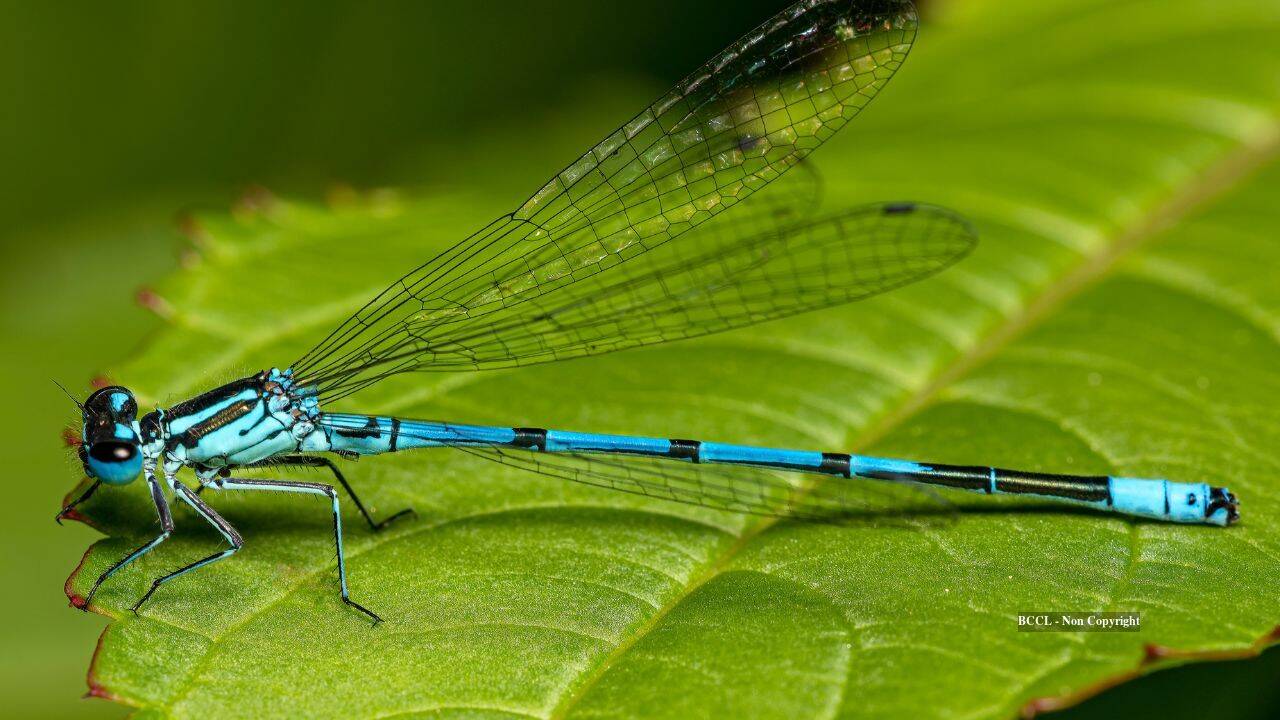
What happened next shocked even the optimists. Within four months, scientists documented 37 different species of dragonflies and damselflies darting above the newly wetted channel.
If you want to understand how desert ecosystems respond to water reuse, Tucson's Response Flows project provides a masterclass.
Why Desert Rivers Die and How Reclaimed Water Changes the Equation
Dryland rivers face a brutal math problem. Cities grow, water demands spike, and aquifers drop. For decades, treated wastewater was treated as a disposable nuisance or piped exclusively into industrial cooling towers and turf irrigation ponds. Letting effluent run down an open riverbed felt risky to early water managers. Public perception was skeptical. People worried about safety, odors, and the optics of a manufactured stream.
Advanced water treatment technology changed that calculation. Modern facilities filter and disinfect wastewater until it matches or exceeds the quality of natural surface streams. When Tucson began releasing 2.8 million daily gallons of this effluent into the channel south of downtown, the water wasn't just wet—it was clean enough to jumpstart a biological chain reaction.
Dragonflies as the Ultimate Ecosystem Barometers
Why care about insects? Honestly, bugs tell the real story of environmental recovery long before larger mammals or fish show up.
Dragonflies and damselflies—known to scientists as odonates—act as living report cards for waterways. They need three things to thrive:
- Clean water for their aquatic larvae to survive without suffocating on toxins.
- Stable, year-round flows so breeding cycles don't dry out prematurely.
- Lush riparian vegetation along the banks for adults to hunt, rest, and mature.
Finding 37 odonate species in just four months proves how fast nature bounces back when you give it the basic ingredients. Many dry washes in the American Southwest support zero aquatic insect species. Tucson's rewatered stretch suddenly rivaled healthy natural streams in terms of immediate biodiversity.
Beyond Insects: The Broader Ecological Domino Effect
Water attracts life. Once the dragonflies arrived, the rest of the food web rushed in to fill the newly opened niche.
Aquatic beetles, caddisflies, and mayflies established colonies in the sandy shallows. Frogs and toads began breeding in quiet backwaters, filling evening air with noise that locals hadn't heard in generations. Herons, kingfishers, and migrating swallows quickly adjusted their flight paths to exploit the new food source. Native trees like cottonwoods and willows sprouted along the wet banks, anchoring the soil and lowering local temperatures.
It's a stark reminder that urban rivers don't need to be pristine, untouched wilderness to function ecologically. Managed flows work.
The Hard Truths About Urban River Restoration
Let's be clear—this isn't a magical fix for every water crisis in the arid West. Managing an effluent-dependent river takes constant vigilance.
Operators have to monitor nutrient loads continuously to prevent explosive algae blooms that choke out oxygen. Storm events can disrupt treatment facilities, requiring rapid adjustments to flow rates. Water managers also have to balance environmental flows against competing municipal needs like drinking water storage and agricultural demands.
Yet the trade-offs are worth it. Cities gain functional green corridors that actively combat urban heat island effects. Residents get public spaces for walking, birdwatching, and reconnecting with nature.
Tucson proved that a modest, steady stream of reclaimed water can reverse decades of ecological neglect. When you put water back in the desert, life doesn't wait for permission. It shows up by the millions.