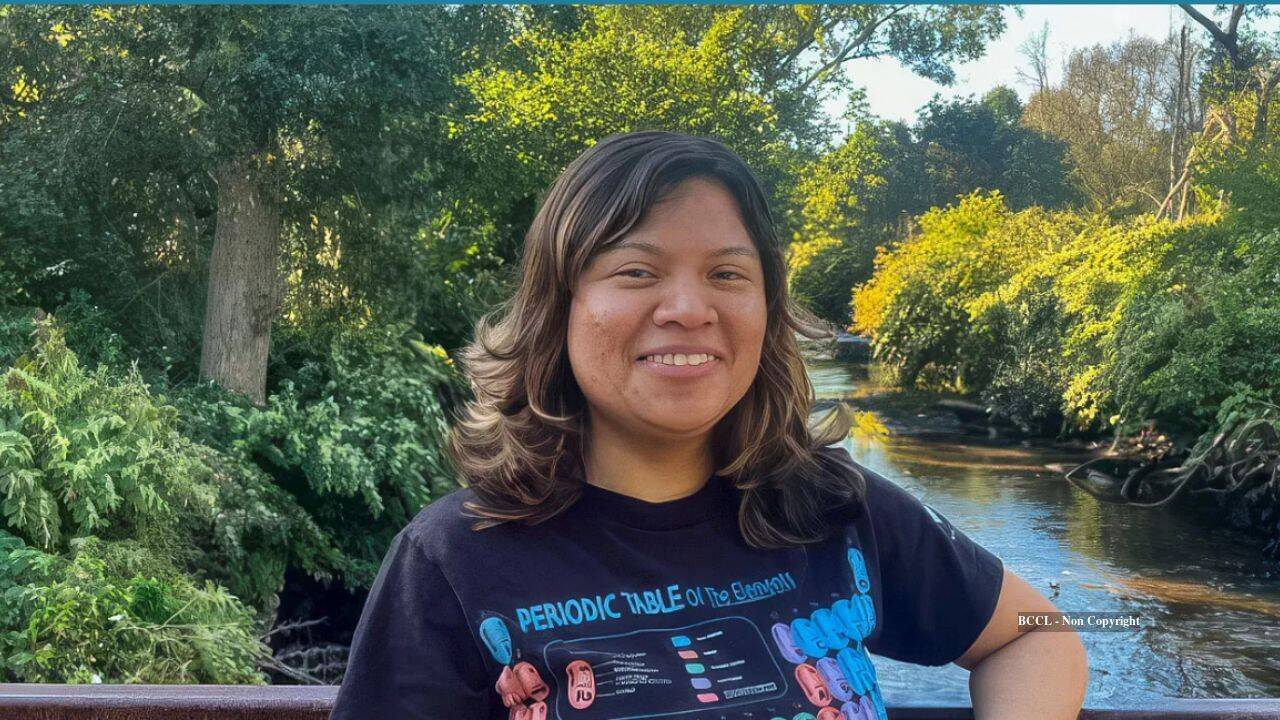
Growing up surrounded by industrial and urban neglect in Cuautlancingo, Puebla, Maritza Sanchez didn't wait for a government bailout or a multi-million-dollar corporate grant to tackle the contamination choking her home region. Instead, she started building. Now 21, this Mexican environmental innovator is scaling up Aquayac Energy, a project using microbial fuel cells built from discarded materials to clean polluted water while harvesting electrical currents.
While headlines love to sensationalize eco-friendly tech as an overnight miracle cure, the real story here is much grittier. It is about relentless prototyping, material constraints, and the stubborn pursuit of decentralized solutions in a world drowning in both garbage and energy deficits.
The Reality of Local Contamination
Most people living outside heavily polluted industrial corridors don't realize what daily life looks like next to a dying river. For Sanchez, that reality was the Atoyac River, one of Mexico's most contaminated waterways. Industrial runoff, municipal waste, and inadequate wastewater infrastructure turn stretches of the river into toxic hazards.
Waiting for large-scale municipal treatment plants to magically appear isn't a strategy. Mega-infrastructure projects take decades, cost billions, and often stall out due to bureaucratic corruption or shifting political priorities.
Sanchez took a different route. She asked a simple question while still in high school: What if communities could build small, decentralized biological units using literal trash to clean their own water and power simple electronics?
How Microbial Fuel Cells Actually Work
If you picture a sleek solar panel or a massive wind turbine, clear your mind. Microbial fuel cells operate on an entirely different, microscopic level.
Inside these cells, specific bacteria do the heavy lifting. As these microorganisms break down organic matter found in wastewater, they don't just respire normally—they release electrons as a byproduct. By engineering chambers with proper anodes and cathodes, innovators capture those rogue electrons, channeling them into a measurable electrical circuit.
You get a dual benefit:
- The bacteria consume organic pollutants, improving water quality.
- The captured electrons flow as usable electrical current.
It sounds simple on paper, but the engineering hurdles are massive. You have to maintain bacterial colonies without letting toxic elements kill them, select cheap local materials that won't corrode instantly, and ensure the water output actually meets safety thresholds. Sanchez isn't just writing theoretical papers; she is building physical prototypes, running water quality diagnostics, and measuring voltage output under real-world stress.
Scaling Up for 2027
Recognition matters, and winning a 2026 Brower Youth Award brings valuable leadership training and global visibility. But awards don't clean rivers. Production numbers do.
Aquayac Energy is locked onto a very specific, aggressive milestone: producing 50 working microbial fuel cell units by 2027.
This goal is deliberate. Fifty units move the project out of the single-prototype garage workshop phase and into multi-unit testing environments. It forces standardization. It tests whether local materials can yield repeatable results across different batches. If you want to know whether a technology holds up outside a controlled lab, you don't build one perfect model—you build fifty and watch how they fail, adapt, and perform in the field.
What Most People Get Wrong About Grassroots Innovation
Tech commentators often make two lazy assumptions about young inventors working on environmental problems.
First, they assume the tech will immediately replace grid electricity and municipal sewage plants. It won't. Microbial fuel cells are currently low-power, localized tools. They won't power an entire manufacturing plant or clean a massive river overnight. But they can provide localized off-grid energy for sensors or low-draw devices while treating specific wastewater streams.
Second, skeptics write off grassroots projects because they lack corporate backing. That misses the entire point. Grassroots engineering thrives precisely because it forces inventors to scavenge, innovate with local waste, and design for affordability rather than profit margins. When your supply chain consists of discarded materials found in your own neighborhood, your cost structure changes entirely.
The Path Forward
Maritza Sanchez's work proves that you don't need a PhD or a Silicon Valley venture fund to start hacking away at global crises. You need technical curiosity, a willingness to fail dozens of prototypes, and a refusal to ignore the pollution right outside your window.
The real test for Aquayac Energy isn't winning awards—it's hitting that 2027 manufacturing target and proving that decentralized biology can punch above its weight class. Keep an eye on how these 50 units perform. They might just rewrite how communities think about waste.