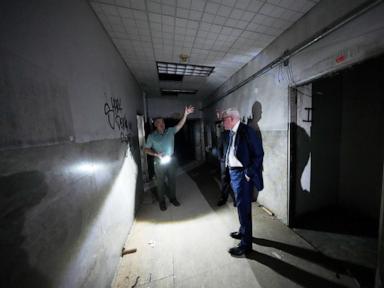
For over two decades, the empty art deco shell of Charity Hospital has stared down downtown New Orleans like a monument to an unresolved ghost story. When Hurricane Katrina breached the federal levee system in 2005, it didn't just flood eighty percent of the city; it locked down a healthcare titan. Doctors and nurses improvised heroic rescues in the dark, keeping patients alive without power or running water. Then, the doors slammed shut. They stayed shut for twenty-one years.
Things are finally shifting. Tulane University is stepping in with a massive $500 million plan to rescue the million-square-foot building and turn it into a high-tech medical research hub. Construction kicks off this fall, with an expected completion date in 2029. It’s an ambitious swing that aims to erase a haunting scar on the city's medical infrastructure.
Breaking Down the $500 Million Revitalization
Why did it take over twenty years to touch this building? Politics, money, and stubborn disagreements bogged down every prior proposal. Run by Louisiana State University after the storm, the state initially argued the structure was too wrecked to reopen. Local medical staff fiercely disagreed, pointing out that a historic safety net for low-income and uninsured patients had just been abandoned. LSU ultimately used federal relief funds to build a different hospital elsewhere, leaving Charity sitting empty.
Now, Tulane is taking the wheel. The grand vision involves gutting and reconfiguring the 1930s-era landmark into a bustling center for biomedical innovation.
- Labs for hundreds of advanced researchers
- Dedicated incubation spaces for biomedical startups
- Modern classrooms and public health programs
Tulane President Michael Fitts noted that the project echoes the building's historical DNA. For generations, Charity Hospital stood as an open door for anyone needing care, regardless of their bank account. This new hub tries to channel that ethos into the future, anchoring high-end science right in the heart of downtown.
Erasing the Architectural Ghosts of Katrina
Charity isn't the only medical casualty of the storm getting addressed right now. Across the city, other reminders of 2005 are finally being erased. Demolition crews recently moved in on the blighted Lindy Boggs Medical Center complex, which sat vacant for more than two decades. Meanwhile, sites like Ochsner Baptist Medical Center—formerly Memorial—still carry the heavy memory of the patient tragedies that unfolded during the sweltering post-flood days.
Mayor Helena Moreno and other civic leaders have thrown their weight behind the Charity Hospital overhaul, framing it as an essential step toward economic and community renewal. Dr. Lee Hamm, dean of the Tulane University School of Medicine, vividly recalls canoeing through the submerged streets back then to check on trapped staff. Seeing the site transition from flood-ravaged despair to a Gulf South innovation engine feels personal for many local veterans of the crisis.
What Comes Next for Downtown New Orleans
The 2029 completion target means the heavy lifting is just beginning. Dust will fly, heavy machinery will crowd the streets, and a landmark that defined generations of New Orleans healthcare will undergo its ultimate metamorphosis. You're looking at a profound turning point for the city's economy and its medical future.
Keep an eye on downtown construction updates as the ground breaks this fall. The ghosts of 2005 aren't disappearing, but they are finally getting some company.
New Orleans hospital ruined after Hurricane Katrina is finally being
This video provides visual context on the state of the abandoned Charity Hospital building and the historical impact of Hurricane Katrina on New Orleans healthcare infrastructure.
http://googleusercontent.com/youtube_content/1