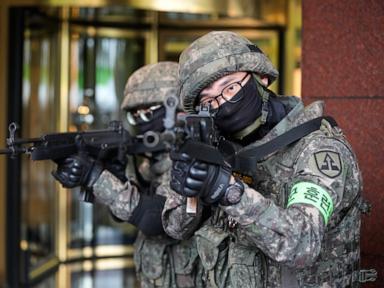
The annual Ulchi Freedom Shield exercises just hit a wall. On Friday, August 21, 2026, the United States and South Korea finished their joint military drills a full six days ahead of schedule. If you think this is just a routine calendar tweak, you’re missing the bigger picture. This wasn't a logistical decision. It was a direct order from President Donald Trump, and it signals a major shift in how the U.S. handles its most critical Asian alliance.
Why The Plug Was Pulled
President Trump didn't hide his reasoning. He publicly ordered the Pentagon to "substantially reduce" the exercises, pointing to his "very good relationship" with North Korean leader Kim Jong Un. For years, these drills—designed to simulate a response to North Korean aggression—have been a primary irritant for Pyongyang. North Korea consistently frames these rehearsals as preparation for an invasion. By cutting the drill duration from 11 days down to just five, the administration is essentially betting that scale-backs will lure Kim back to the negotiating table.
But let’s be honest. Diplomacy with North Korea is rarely that simple. Kim Yo Jong, the influential sister of the North Korean leader, brushed off the gesture almost immediately. She noted that reducing the duration and size of the exercises doesn't change their "provocative, aggressive nature." To prove the point, North Korea fired about 10 short-range ballistic missiles toward the sea just a day after the drills concluded. It seems the move didn't exactly buy the "calm" that was clearly desired.
What Actually Changed On The Ground
The Ulchi Freedom Shield exercise is primarily a computer-simulated command-post operation. It’s meant to hone the ability of South Korean and American forces to coordinate under pressure. The original plan had two phases:
- Defensive Operations: Focused on responding to initial attacks.
- Counteroffensive Operations: The phase that really gets Pyongyang heated.
That second phase? It was scrapped. The allies also agreed to halve the planned field training exercises. Some were canceled outright, while others were converted into simple computer simulations. Pentagon officials insisted these adjustments wouldn't degrade training objectives, but military readiness isn't something you can just "simulate" away. When you stop practicing how to move actual troops and equipment, you lose the muscle memory that keeps an alliance sharp.
The Real Cost Of The Shift
Critics of the move—and there are plenty in the defense community—worry about the "readiness gap." Military commanders rotate frequently. If you stop training together, you lose the institutional knowledge of how your counterpart thinks and operates. You can't just flip a switch when a crisis starts and expect everyone to be perfectly aligned.
There’s also the question of leverage. Some analysts argue this wasn't just about North Korea. With the war in Iran creating a massive headache for the White House, the U.S. is looking for support from its allies. There’s a theory that the decision to cut the drills was also a way to signal frustration with Seoul over its stance on the conflict in the Middle East. It’s a classic case of Washington trying to achieve multiple objectives—diplomacy with Kim, a power move against Seoul, and a shift in focus away from Middle Eastern instability—all with one stroke of a pen.
What Comes Next
The alliance isn't breaking, but it’s feeling the strain. South Korea still hosts roughly 28,500 U.S. troops, and both sides are now left to figure out how to maintain that "strong combined defense posture" while navigating a leader who is increasingly skeptical of traditional military engagements.
If you’re watching this, don't focus on the "early finish" as the story. The real story is the change in strategy. The U.S. is deprioritizing these massive, symbolic displays of force in favor of a gamble on personal diplomacy. Whether that gamble pays off in North Korea or causes a long-term erosion of the alliance’s capability remains to be seen. Keep an eye on future "consultations" between the two militaries. If the next set of drills sees further scaling, the era of massive joint exercises in the region may be effectively over.
For now, expect a tense waiting game. North Korea is still testing missiles, and the U.S. is still searching for a breakthrough that has eluded it for decades. Neither side is backing down, and the military "readiness" we once relied on is being sacrificed at the altar of high-stakes political maneuvering.


