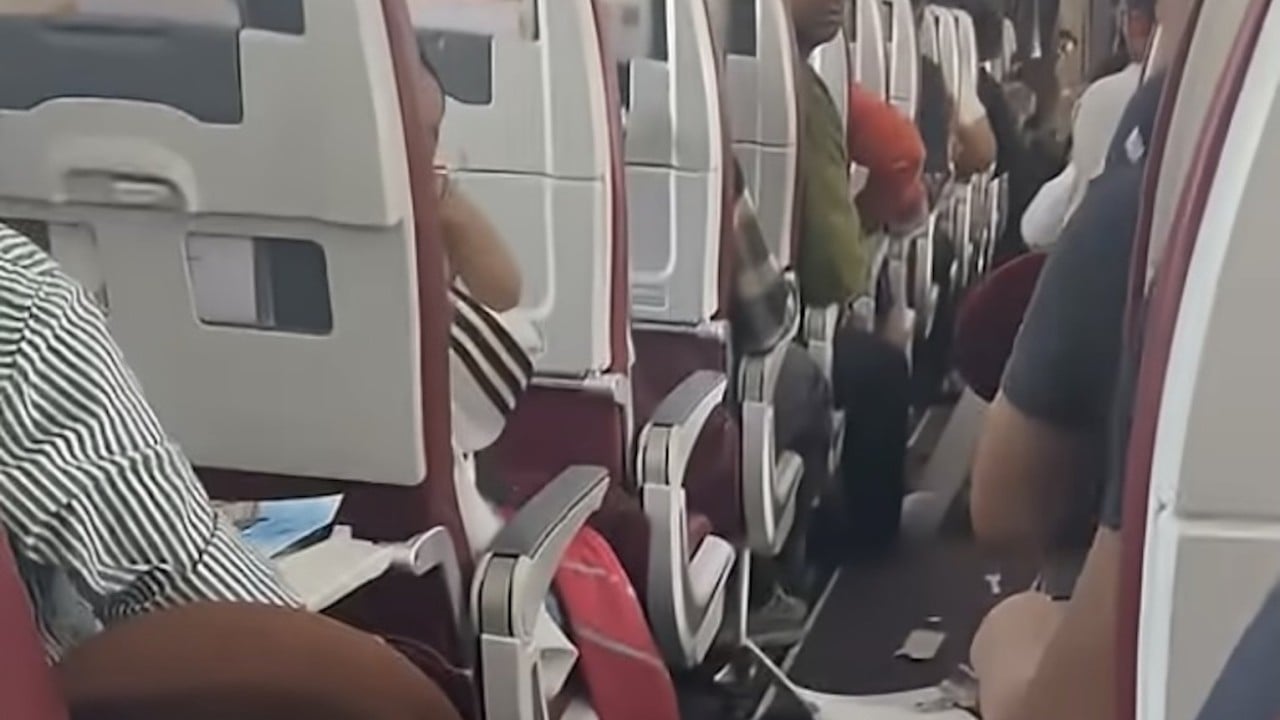
Seventeen people walked away from an ordinary commercial flight with broken bones, cuts, and hospital admissions because an Airbus A320 suddenly dropped 300 feet out of the sky. When the dust settled, the incident morphed from a routine weather scare into a full-blown regulatory nightmare.
The Pilot-in-Command of that Phuket-to-New Delhi flight is now undergoing a confirmatory psychoactive drug test after initial screening flags raised serious alarms.
If you think this is just another isolated HR issue for a legacy carrier, you're missing the broader picture of how commercial aviation handles human performance limits. Let's break down what actually happened, why the fallout matters, and how aviation authorities handle these high-stakes investigations.
What Triggered the Investigation
On August 4, Air India flight AI2379 carried 137 passengers and eight crew members across the skies. Somewhere near Odisha, severe turbulence struck. The aircraft didn't just bump around; it dropped roughly 91 meters in a terrifying plunge that threw luggage across the cabin and hospitalized 12 people immediately upon landing in Delhi, with total injuries climbing to 17.
Post-flight protocols kicked in immediately. Both pilots faced mandatory psychoactive substance screening tests. While routine for incidents, the result for the captain wasn't standard.
- The initial screening test returned a non-negative result.
- Authorities sent samples to a designated laboratory for confirmatory analysis.
- Both flight crew members were pulled from active rosters immediately.
Air India maintained a cautious stance, stating that official results hadn't been shared directly with corporate headquarters. Still, the optics are brutal for an airline trying to rebuild its global reputation under Tata Group's massive fleet overhaul.
The Real Questions Behind the Turbulence Probe
Aviation regulators like India's Directorate General of Civil Aviation (DGCA) don't just look at weather charts when a plane drops 300 feet. They pull flight data recorders, review cockpit voice communications, and analyze human factors. Investigators are currently probing multiple angles:
Did the pilot handle the turbulence correctly? Did the aircraft sustain structural or hydraulic damage during the drop? Most critically, should the crew have diverted the flight to a closer airport like Varanasi or Lucknow instead of pressing all the way to Delhi with injured passengers onboard?
When a captain faces a positive initial dope test on top of an operational disaster, the investigation shifts from a weather phenomenon to an issue of acute human fitness.
How Aviation Drug Protocols Actually Work
People assume a positive test means immediate career termination. The reality is more bureaucratic. Under standard regulatory frameworks, a first-time positive result for psychoactive substances triggers mandatory referral to a de-addiction and rehabilitation program.
Pilots can theoretically return to active duty, but only after passing subsequent rigorous, clean drug tests and obtaining explicit medical clearance. However, individual airlines hold the right to enforce stricter internal employment rules, meaning a return to the cockpit isn't guaranteed even if rehab is completed.
If a pilot tests positive a second time, their license gets suspended for three years. A third strike results in permanent cancellation.
Why This Changes Passenger Trust
Incidents like this expose the fragile boundary between automated flight systems and human physiological reliability. Passengers strap into metal tubes assuming absolute sobriety and razor-sharp reflexes in the cockpit. When an abrupt drop injures seventeen people and subsequent tests raise substance red flags, public confidence takes a direct hit.
The Aircraft Accident Investigation Bureau (AAIB) has classified this event as a serious incident. As laboratory results return and the probe deepens, the pressure on airlines to enforce transparent, uncompromised crew screening will only intensify.
Watch for regulatory tightening across international carriers operating in South Asia. Safety isn't just about modernizing aircraft fleets; it's about ensuring the people holding the yoke are operating at peak, uncompromised capacity.
Air India Captain's Post-Turbulence Drug Test Reportedly Positive
This short video provides a quick visual recap of the reports surrounding the Air India pilot's post-flight screening test after the turbulence incident.
http://googleusercontent.com/youtube_content/1


