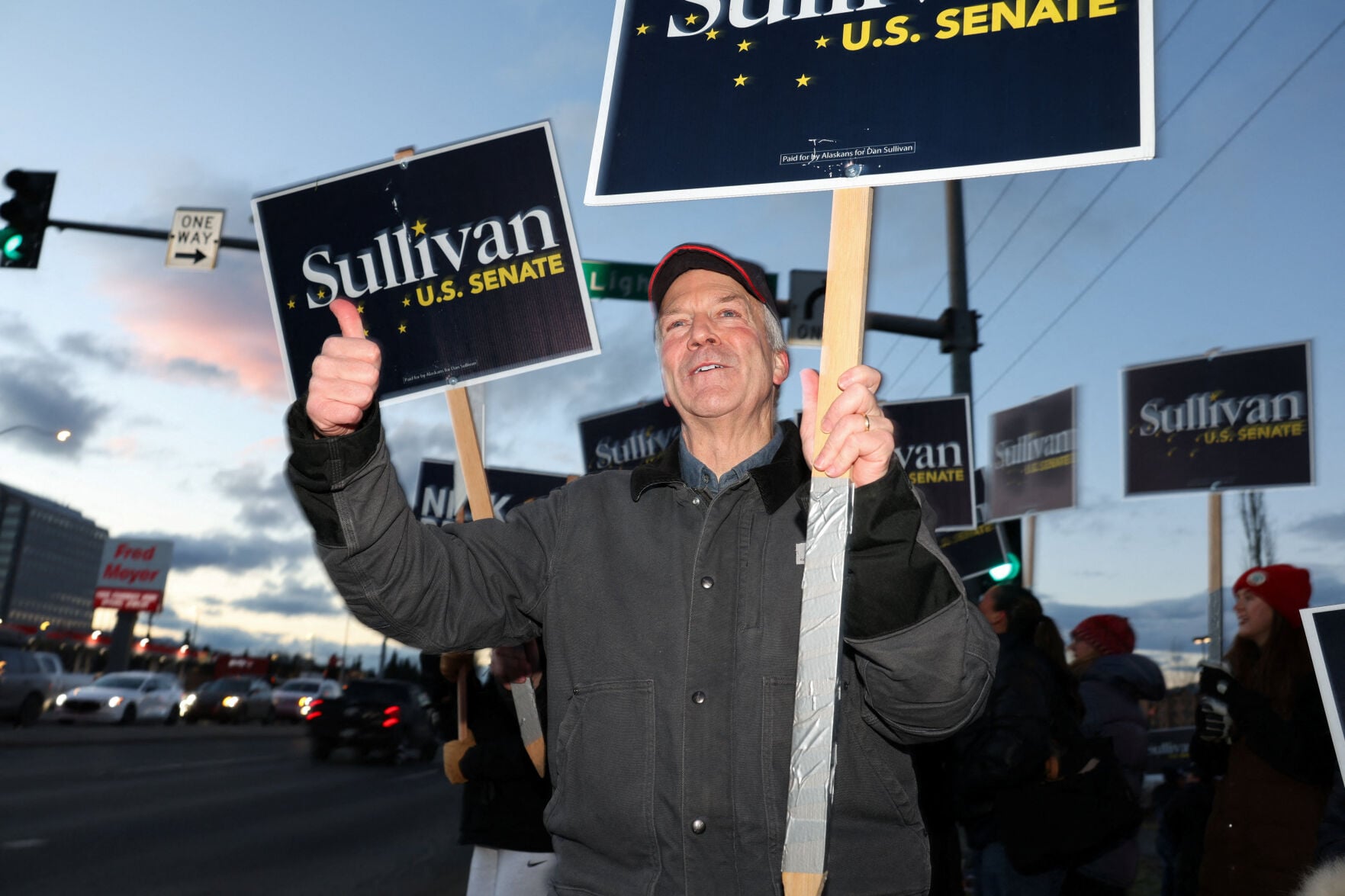
United States Senator Dan S Sullivan entered the final stretch of his reelection campaign facing a highly competitive race in Alaska against prominent challengers including Democratic Representative Mary Peltola. According to data from the Alaska Division of Elections, the contest has drawn intense national attention as control of the upper chamber of Congress remains closely divided. The incumbent Republican, first elected in 2014, must navigate a complex electorate utilizing the state's ranked-choice voting system.
The political environment in the state has shifted since the previous Senate cycle, driven by shifting economic conditions and voter sentiment regarding federal energy policies. Public opinion polling compiled by the University of Alaska Anchorage Center for Behavioral Health Research and Services indicated that resource development and public lands management remain central concerns for Alaskan voters. Challengers have targeted the incumbent over legislative votes concerning federal spending and natural resource extraction permits across public lands.
Legislative Record and Military Background of Dan S Sullivan
Before entering federal elective office, Dan S Sullivan built a career spanning military service, state administration, and federal executive branch appointments. According to official congressional biographies from the U.S. Senate, he served as a colonel in the United States Marine Corps Reserve and completed tours that included active duty deployments. His executive branch experience includes serving as the assistant secretary of state for economic, energy, and business affairs under the administration of President George W. Bush.
Supporters emphasize his military background and his consistent advocacy for national security measures as core qualifications for continued service. Business coalitions within the state frequently credit his office with supporting infrastructure investments and resource extraction projects critical to the regional economy. Conversely, critics argue that his alignment with national party leadership limits his independence on specific environmental regulations affecting Alaskan fisheries and wildlife refuges.
Energy Policy and Public Lands Management
Natural resource development remains a primary flashpoint in the current legislative debate, with debates centering on oil and gas leasing within the Arctic National Wildlife Refuge. According to reports published by the U.S. Department of the Interior, leasing decisions carry substantial economic implications for state revenues and employment figures. The incumbent has consistently defended resource extraction as essential for state fiscal stability and national energy independence.
Environmental organizations and subsistence-dependent communities have pushed back against accelerated leasing schedules, citing potential long-term damage to local ecosystems and wildlife habitats. Legal challenges filed by conservation groups have repeatedly questioned the scope of federal environmental impact statements authorized during previous agency reviews. These opposing viewpoints have forced candidates to address the balance between economic output and environmental preservation directly on the campaign trail.
Ranked-Choice Voting Dynamics
The electoral mechanics in Alaska continue to influence campaign strategies for all candidates participating in the general election. Under guidelines established by the Alaska Division of Elections, voters rank candidates in order of preference, allowing for vote reallocation if no single candidate secures a majority in the initial count. Political analysts note that this framework encourages broader coalition building beyond strict party loyalties.
Campaign committees have invested heavily in voter education initiatives to ensure the electorate understands how second- and third-choice selections impact the final outcome. Independent expenditure groups have deployed television and digital advertising to shape voter perceptions regarding candidate viability under the multi-round tabulation process. This dynamic introduces a layer of unpredictability absent in traditional plurality voting states.
Looking ahead, election officials will oversee the certification of final results following the tabulation of ranked-choice preferences, while legal observers monitor potential challenges to ballot procedures. The outcome will influence the balance of power in Washington and dictate the trajectory of federal natural resource policy for the upcoming congressional term.