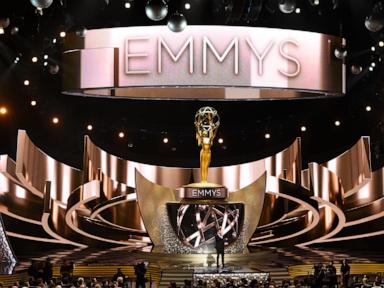
Traditional broadcast television just lost another anchor. Starting in 2027, the Emmy Awards are packing their bags and moving to Amazon Prime Video under a massive six-year deal struck with the Television Academy.
This shift terminates a seven-decade run where traditional broadcast networks—ABC, CBS, Fox, and NBC—took turns airing television's biggest night, a rotation that started way back in 1955. If you thought linear TV still held a monopoly on live tentpole events, today's announcement proves you're living in the past.
Here is what this deal actually means for the industry, viewers, and the future of live awards shows.
The Death of the Broadcast Rotation
For seventy years, the Emmys bounced between the major traditional networks. It felt permanent. It wasn't.
Broadcast networks tried to retain the rights, but reports show they balked at the price tag, pushing for lower fees than the previous arrangements. Amazon stepped into that vacuum with capital and ambition. Mike Hopkins, head of Prime Video and Amazon MGM Studios, noted that they are officially on the clock to get rolling on the 2027 broadcast.
The Academy didn't just pick a deep-pocketed tech giant; they picked stability. With a single partner locked in for six years, both sides can experiment, iterate, and build a cohesive vision from year to year instead of hitting the reset button every time the network rotation flips.
You Won't Need a Prime Subscription to Watch
Let's clear up the biggest worry right away. You won't need to pay for an Amazon Prime membership to see who wins.
The Television Academy made this a non-negotiable demand from the start of negotiations. The Emmys will continue to stream free of charge on Prime Video. Amazon agreed because they want eyeballs, data, and ad revenue. Bringing millions of non-subscribers onto the platform for one night is a massive funnel for their broader ecosystem.
This mirrors a broader trend across Hollywood. Platforms are realizing that locking prestige events behind paywalls severely limits cultural impact and ad revenue potential. By keeping the broadcast free, Amazon ensures maximum reach while cementing its status as a primary entertainment hub.
The Streaming Wars Enter a New Phase
Awards shows are migrating hard and fast. Netflix took over the Screen Actors Guild Awards. YouTube locked down exclusive streaming rights for the Oscars starting in 2029. Now, Amazon has the Emmys locked down through the early 2030s.
Linear TV is losing its grip on the cultural touchstones that once kept it relevant. When major ceremonies migrate to tech platforms, advertising dollars, talent integration, and cultural conversations move with them. Traditional networks are slowly being reduced to sports and local news distributors while streaming giants command the grand stages of Hollywood glamour.
What Happens Next
The 2027 ceremony will test whether a tech titan can produce a slicker, more engaging show than legacy broadcast directors. Expect heavier data integration, global streaming optimizations, and heavy-handed cross-promotion for Amazon’s original slate.
Watch how traditional networks respond as their remaining tentpole inventory shrinks. If you work in entertainment marketing or media strategy, your playbook needs an update right now. Plan your distribution, ad spends, and campaign cycles around platforms that live on internet-connected TVs, because linear broadcast is officially running out of runway.