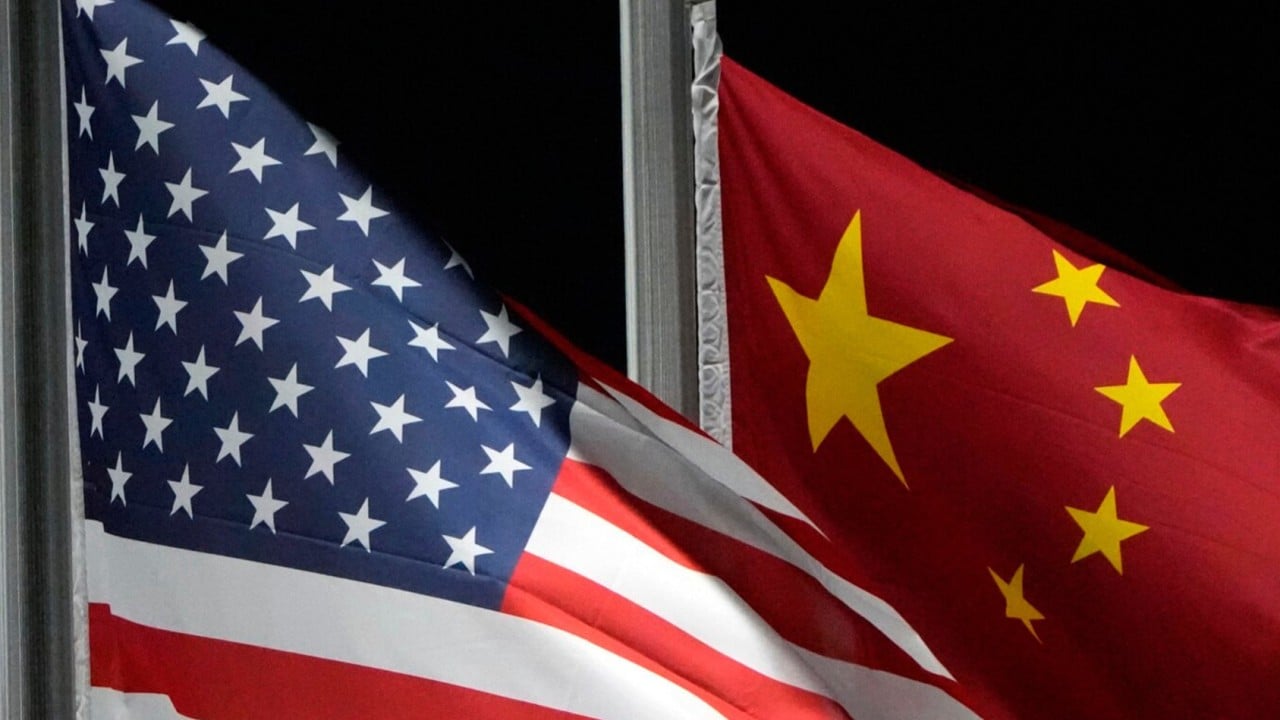
Public opinion doesn't change overnight. Yet, data tells a different story. Ahead of the high-profile state visit and summit between US President Donald Trump and Chinese President Xi Jinping in Washington, fresh numbers from the Pew Research Center show a notable shift. American views of China are warming up.
It's a subtle change, but a significant one. Overall sentiment remains cold on average, but the sharp, hostile extremes of the early 2020s are softening. People are asking why this shift is happening now, especially after years of escalating trade friction and diplomatic standoffs. The answer isn't simple, but it points directly to changing domestic frustrations, demographic shifts, and fatigue over endless geopolitical posturing.
The Numbers Behind the Shift
Let's look at the actual data rather than guesswork. According to Pew's tracking data, Americans rate China at an average of 37 on a 0-100 "feeling thermometer." That is still cold, make no mistake. But compare it to the grim low of 28 recorded back in 2021.
The share of US adults holding a warm view of China has climbed to roughly 19 percent, up from 11 percent five years ago. Neutral ratings have also expanded, while the percentage of Americans holding a "very cold" view dropped from 47 percent down to 34 percent.
Fewer people label China an absolute enemy. More view Beijing strictly as a tough competitor. This distinction matters. Moving from an existential threat mindset to a competitive framing changes how diplomatic summits are perceived by the public. When leaders like Trump and Xi sit down for talks, the domestic audience isn't demanding total economic decoupling quite as fiercely as they used to.
Where the Partisan Divide Lives
As with almost everything in American politics today, you cannot talk about foreign policy without addressing the massive partisan split.
Democrats and Democratic-leaning independents hold significantly warmer views of China than Republicans do, averaging around 43 on the thermometer compared to a chillier 29 for the GOP. Roughly a quarter of Democrats now report warm views, while nearly 68 percent of Republicans maintain a cold stance.
Age plays a major role, too. Younger Americans under 50 are consistently more moderate or warm toward China than older generations. They view global power dynamics through a different lens, less influenced by Cold War remnants and more focused on economic interconnectedness.
Why are Democrats shifting faster? Part of it is a direct reaction to domestic politics. Unpopular trade tariff policies and aggressive rhetoric from the right have driven moderate and liberal voters to favor engagement over confrontation. They want stability over trade wars that hit consumer wallets.
Is It China Doing Better or the US Doing Worse?
Analysts raise a fair point when evaluating these numbers. Is China's image actually improving, or are Americans simply losing faith in their own domestic leadership and standing?
Global surveys highlight a fascinating trend. Approval ratings for the US government and presidential leadership have taken massive hits worldwide and domestically. When citizens feel their own country is losing global respect, external competitors often look less menacing by comparison.
Think about how everyday people experience foreign policy. When grocery bills climb due to tariff battles and political polarization dominates the nightly news, aggressive foreign posturing loses its appeal. People get tired. They want predictable diplomacy and functional economic ties.
What This Means for Future Diplomacy
Public opinion shifts do not dictate foreign policy overnight, but they constrain or empower leaders. When Trump welcomes Xi to Washington, the administration operates in an environment where the public is slightly more open to stabilization agreements.
You don't have to love a country's governance model to recognize that economic coexistence is necessary. That pragmatic realization is slowly bleeding into the American consciousness.
Watch how political messaging evolves over the coming months. If voters continue to favor engagement over containment, hardline politicians will have to adjust their tone. Diplomacy is rarely driven by sentiment alone, but when the public stops screaming for confrontation, leaders find room to maneuver.
Take a close look at the data trends. The era of blind hostility is giving way to a more calculated, weary realism.