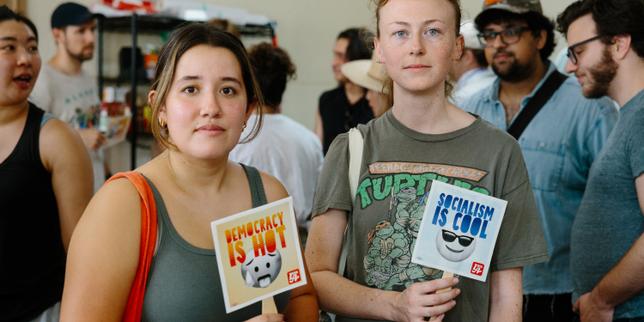
American politics has an uncomfortable new tenant, and party elites don't quite know how to evict them. While establishment strategists spend their time trying to court centrist swing voters with cautious talking points, a completely different energy is brewing on the ground. A younger generation of organizers and candidates carrying the banner of democratic socialism isn't just complaining about the system anymore—they're actually winning primaries, shaking up local city halls, and forcing national Democrats to look over their shoulders.
If you thought the progressive surge of the late 2010s was just a passing phase sparked by Bernie Sanders, look closer at the map. From state legislatures to municipal councils, a swelling wave of thirty-somethings and fresh-faced activists are proving that anti-establishment politics has serious staying power. But beneath the celebratory headlines of primary victories lies a much more complicated reality about where this movement is heading, who is actually buying in, and why party centrists are panicking ahead of the upcoming midterms.
The Ground Game Shift That Establishment Parties Miss
Traditional political campaigns usually rely on heavy-pocketed donors, consultants in high-rise offices, and expensive television ads. The modern democratic socialist apparatus operates on an entirely different frequency. Organizations like the Democratic Socialists of America have built their power through persistent, shoe-leather organizing. They target low-turnout local races, engage disaffected young voters who normally ignore politics, and mobilize volunteers block by block.
Think about how standard campaigns work. They show up six weeks before an election, drop flyers, make automated phone calls, and disappear. Socialist chapters stay in neighborhoods year-round. They organize tenant unions, fight local rent hikes, and rally behind labor strikes long before anyone announces a run for office. When these candidates finally file their paperwork, they already have an army of motivated believers ready to knock on doors. That hyper-local authenticity is precisely why incumbent politicians often get caught flat-footed.
The Generational Divide Inside the Coalition
You can't talk about this leftward drift without looking at the massive demographic split tearing through the modern political landscape. Younger voters—hammered by student debt, locked out of a brutal housing market, and terrified by climate inaction—are entirely willing to take aggressive political risks. They look at corporate-backed moderation and see a slow path to irrelevance.
Older voters, particularly within communities of color, tell a different story. They often prioritize pragmatism, immediate electability, and what can realistically pass through a hostile legislature today over sweeping structural reforms tomorrow. This tension creates unique challenges for candidates trying to build broad coalitions. In cities like Detroit and New York, building trust across age groups remains the biggest hurdle for socialist organizers who want to move from niche protest movements into undisputed mainstream power.
Can Left-Wing Populism Win Outside Deep-Blue Pockets?
Succeeding in a heavily progressive district in Brooklyn or inner-city Chicago is one thing. Winning a competitive suburban swing district is an entirely different beast. Data from recent primary cycles shows a clear pattern: as districts lean more moderate, the footprint and win rate of socialist-endorsed candidates drop sharply.
Centrist Democrats love to point this out, arguing that radical policy platforms hand easy wins to the opposition. Yet, dismissing the movement entirely is a mistake. Even when these candidates lose close general elections, they succeed in dragging the entire political conversation to the left. Issues like universal healthcare, aggressive tenant protections, and taxing ultra-wealthy corporations are no longer fringe ideas whispered in academic corners—they're central debates dominating legislative halls.
The Real Test Ahead
The movement is maturing, and maturity brings uncomfortable compromises. Some progressive primary winners have found themselves carefully scrubbing or re-framing past social media statements to appeal to a broader electorate. Navigating foreign policy divides—especially regarding intense debates over military aid and the Middle East—continues to strain alliances within the broader progressive tent.
The uprising of this new political faction isn't going away because party leaders wish it would. It's a symptom of deep economic anxiety and a profound loss of faith in traditional institutions. Whether this new generation of leaders can build a durable governing coalition or flame out as a temporary protest wave will depend entirely on their ability to govern effectively where they win, and convince skeptics that their vision actually works in the real world.
Stop waiting for the old guard to fix a broken machine. The real political battle lines for the future are being drawn right now at the local level.