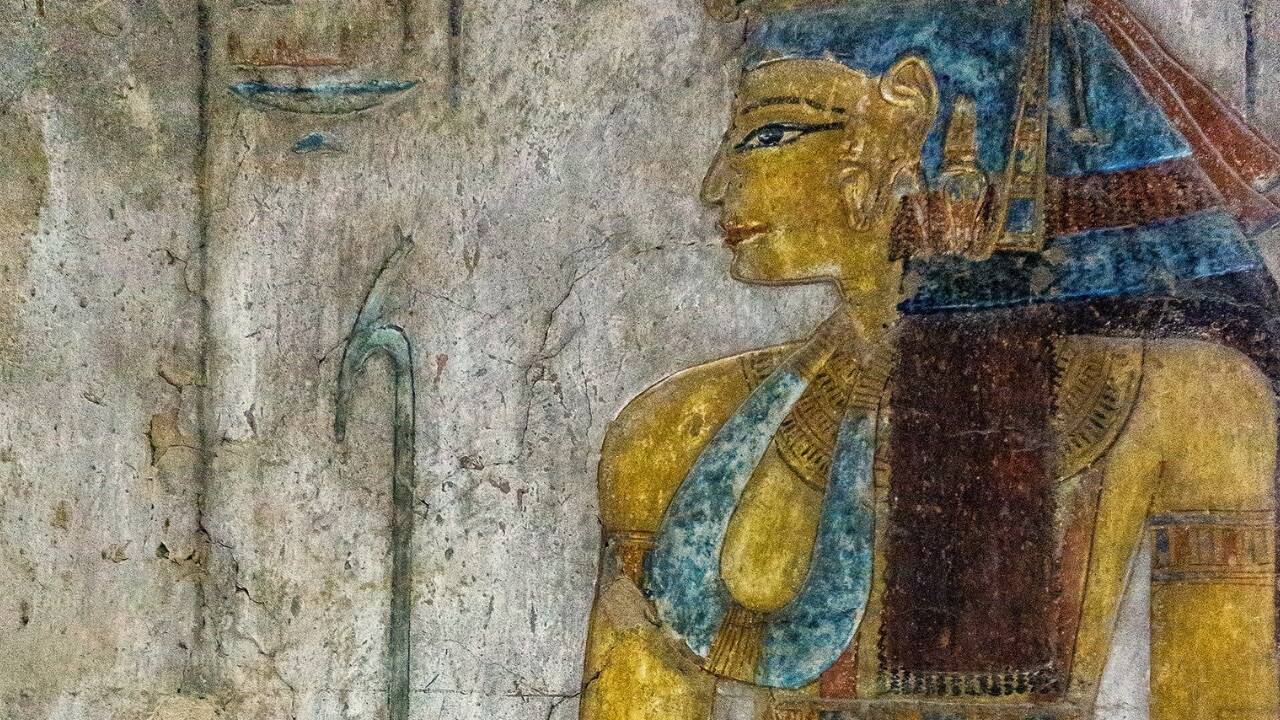
Everybody loves a good historical paradox. Think about poison used as a shield or makeup functioning as a medicine cabinet. You probably picture Cleopatra with her iconic, heavily lined cat-eye, assuming it was pure vanity. You'd be wrong.
Archaeological and chemical studies show that the dark kohl worn by ancient Egyptians was packed with lead compounds. While modern medicine warns us away from lead entirely, thousands of years ago, that exact toxic mineral served an entirely different purpose. It kept people alive.
The Chemistry Behind the Cat-Eye
Ancient Egyptians didn't just stumble into cosmetics. They were master chemists operating millennia ahead of their time. The classic black kohl wasn't soot alone. They ground down galena, a naturally occurring lead sulfide mineral, and mixed it with animal fat, oil, or gum to create a heavy paste.
For a long time, historians assumed this was purely aesthetic or spiritual. Then, French researchers tested ancient Egyptian cosmetic samples stored in the Louvre and published their findings in the journal Analytical Chemistry. They discovered something wild. When exposed to moisture, synthetic lead compounds like laurionite—which don't naturally occur in raw galena—form inside the kohl mixture over weeks.
Why does that matter? When those lead salts come into contact with skin moisture, they stimulate the production of nitric oxide. Nitric oxide acts as a heavy hitter for your immune system, boosting white blood cells and fighting off bacterial infections.
Protection in a Brutal Environment
Living along the Nile came with severe environmental hazards. Dust storms raged, desert sun glared off the sand, and the river water crawled with bacteria. Eye infections like conjunctivitis ran rampant through ancient settlements.
Kohl wasn't reserved for royalty or special events. Workers, children, and pharaohs all caked it around their eyes daily because it performed three critical functions:
- Glare reduction: Dark pigment smeared beneath the eyes absorbed the harsh desert sunlight, much like modern athletes painting black grease under their eyes.
- Physical barrier: The greasy, mineral paste trapped dust, grit, and flies before they could scratch or infect the eyeball.
- Antimicrobial defense: The slow-release lead salts actively killed off ocular bacteria, preventing blindness and chronic disease.
If you caught an eye infection in ancient Egypt, your makeup routine was basically your prescription.
Breaking the Modern Bias
It's easy to look back and judge historical choices through a modern lens. We hear "lead" and assume immediate catastrophe. But context matters. The ancient Egyptians weren't ingesting the mineral or poisoning themselves for vanity. They struck a balance dictated by necessity. The tiny amount of lead absorbed through the skin triggered a localized immune response that outweighed the risks in an era before antibiotics existed.
History rarely fits into clean boxes. What looks like superficial decoration on a temple wall or a sarcophagus was often a survival mechanism. The next time you see a statue of Cleopatra with her sharp, elongated gaze, remember she wasn't just wearing an outfit. She was wearing her armor.