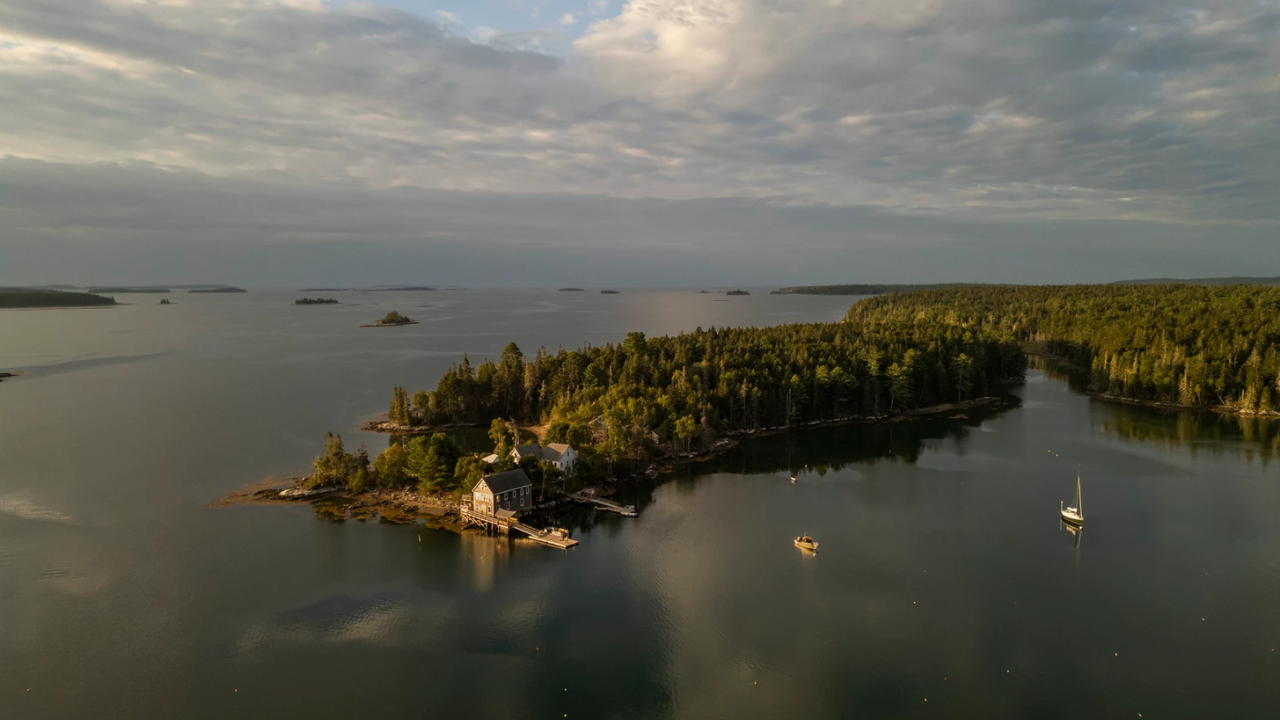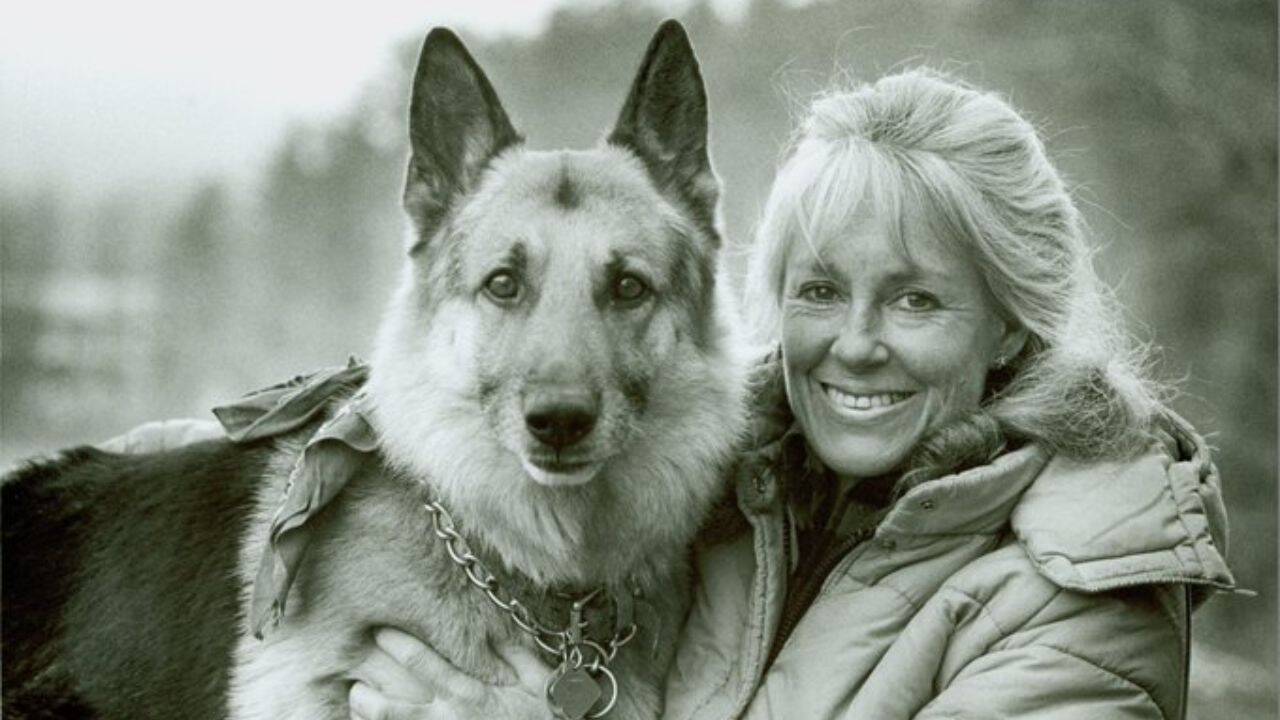
Imagine stepping away from every screen, every paved highway, and every single outlet in your house. What would be left? For wildlife ecologist Anne LaBastille, the answer was a tiny, remote space measuring just 12 by 12 feet, tucked deep inside New York's Adirondack wilderness.
Back in 1964, LaBastille did something most modern people would find unthinkable. She built a primitive log cabin on the edge of Twitchell Lake with zero electricity, no running water, no telephone lines, and no access road leading to her doorstep. She didn't drop in for a quiet weekend getaway. She stayed for decades, turning an extreme experiment in isolation into a blueprint for a life lived closely aligned with nature.
Her story isn't just an eccentric historical footnote. It's a stark reminder of what happens when someone decides to radically shrink their footprint so the surrounding ecosystem can breathe.
Building Without Breaking the Forest
Most people building a retreat today clear out acres, pour concrete foundations, and haul in heavy machinery. LaBastille took the opposite path. She wanted her presence to cause as little friction as possible.
She carefully picked a site where she wouldn't have to chop down massive, mature trees. Without a road to haul standard building materials, she sourced spruce logs from a local lumberyard and had them brought to the lake edge, transporting them by boat. Her cabin didn't feature a sprawling open-concept layout or modern kitchen appliances. It had wood heat, candlelight, water hauled straight from the lake, and an outhouse.
It was tiny. It was demanding. And it completely changed her life.
The Daily Grit of Woodswoman Life
People love the romanticized version of living off-grid. Social media is full of polished videos showing cozy cabins and steaming coffee mugs on crisp mornings. LaBastille documented the brutal truth in her iconic 1976 memoir, Woodswoman, long before anyone had a smartphone.
Winters in the Adirondacks don't care about your romantic ideals. Temperatures plummet, heavy snow buries remote properties, and lakes freeze solid, cutting off easy boat travel. Simple chores like splitting firewood, keeping mice out of food stores, and hauling water turn into heavy, exhausting manual labor.
Yet, LaBastille embraced the quiet. She earned her degrees from Cornell University, fought fiercely for wildlife conservation, and wrote extensively about endangered species and the fragile Adirondack environment. She wasn't hiding from society out of bitterness. She was observing it from a distance, using her voice to protect an ecosystem that desperately needed advocates.
Protecting the Wilderness Forever
LaBastille passed away in 2011 at the age of 75, but her imprint on the Adirondacks didn't fade away with her. In 2016, the trustees of her estate officially donated her 32-acre West of Wind property to New York State.
Instead of being sold off to developers or turned into a modern tourist trap, the land was folded directly into the Forest Preserve for permanent protection. Her physical cabin and surrounding acreage remain preserved, echoing her lifelong belief that nature should be experienced, respected, and left alone rather than consumed.
Her legacy also lives on through the Anne LaBastille Memorial Writers Residency, hosted by the Adirondack Centre for Writing near Big Moose, New York. Since 2014, dozens of writers have spent weeks writing and reflecting in the exact landscape that fueled her work.
What We Can Learn From a 12-by-12 Foot Footprint
We live in an era where houses keep getting bigger, smart gadgets crowd every room, and hyper-connectivity feels mandatory. Looking back at LaBastille's tiny cabin offers a refreshing jolt of perspective.
You don't need to move into the woods or give up indoor plumbing to appreciate her philosophy. The core lesson is about editing your life. It's about recognizing how much physical and mental clutter we accumulate, and asking what would happen if we stripped things down to the absolute essentials.
Stop waiting for the perfect, clutter-free moment to simplify your surroundings. Step back, unplug, and give yourself some actual quiet space today.