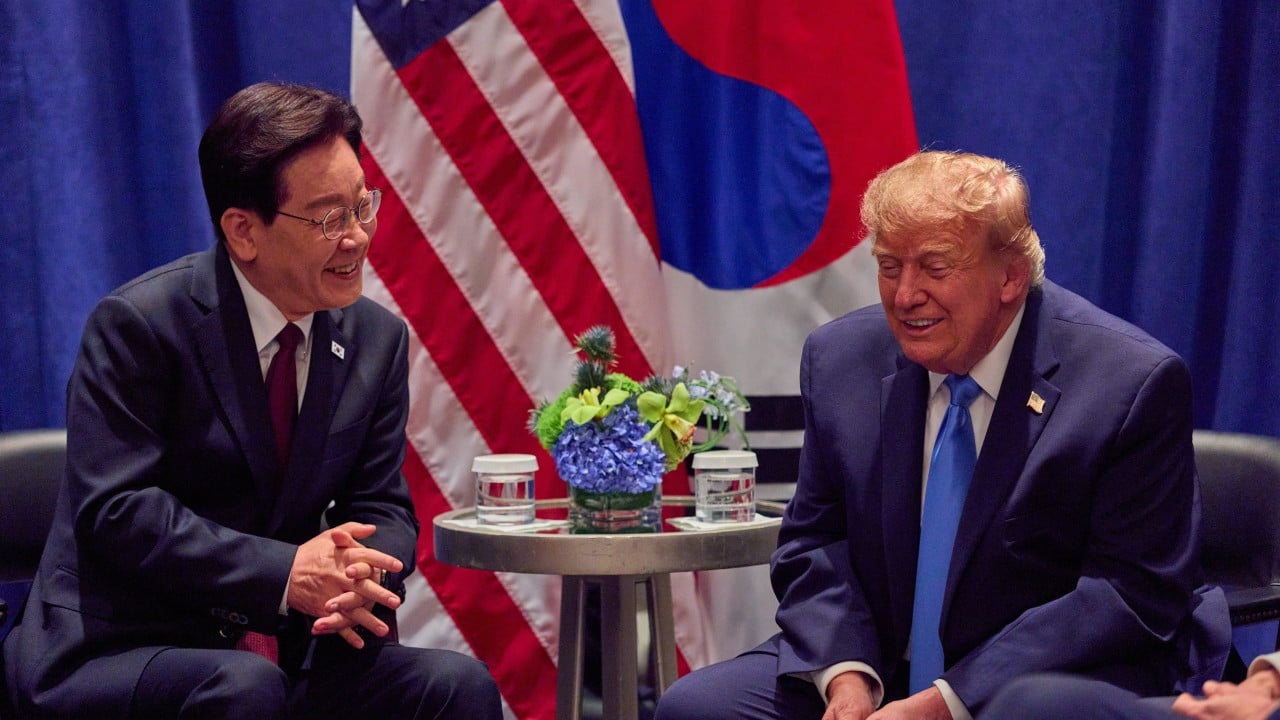
If you think making quick concessions to Washington will protect your economy from protectionist tariffs, you're fooling yourself. Look at South Korea. Seoul tried sweet-talking the White House with multi-billion-dollar investment promises, hoping to buy immunity from aggressive trade demands. Instead, it walked away with empty hands and a stark reality check. Placation doesn't work. It only invites heavier demands.
This dynamic is reshaping global commerce. Whenever a major trading partner bends over backwards to satisfy American trade pressures, the concessions are swallowed whole, and the bar gets raised even higher. For businesses, policymakers, and international investors trying to navigate the current economic climate, understanding this pattern is essential. Appeasement is a trap.
The Illusion of Safety Through Concessions
When the threat of sweeping import duties or punitive trade penalties looms, political leaders panic. Their first instinct is to negotiate. They offer large energy investments, promise manufacturing relocations, or agree to voluntary export restraints. They assume goodwill will be met with goodwill.
That assumption ignores basic political reality. Protectionist trade policies in Washington aren't driven by a search for fair balances. They're driven by domestic political leverage and an aggressive mercantilist agenda. When Seoul rolls out the red carpet and pledges billions in energy or tech capital, Washington doesn't see a partner playing fair. They see a target that blinks first.
Once you show you're willing to pay protection money, you become a permanent ATM. The concessions don't satisfy the aggressor. They merely validate the strategy of pressure.
Why Vulnerability Breeds More Pressure
Economic dependence is a dangerous drug. When nations tie their security, supply chains, or financial stability too closely to a single dominant superpower, they strip away their own negotiating power. South Korea occupies a precarious geopolitical position. It relies heavily on American security guarantees, which creates massive asymmetry in trade talks.
Washington knows this. Negotiators exploit these security ties to extract economic rents. When Seoul tries to placate American officials, it feeds that exact leverage.
Think about how negotiations actually play out behind closed doors. If a country stands its ground, pushes back using multilateral WTO frameworks, or diversifies its export markets, the political cost of imposing blanket tariffs rises for the US. But if a government folds immediately to avoid short-term pain, it imposes long-term strategic damage on itself.
The Broader Fallout for Global Trade Partners
South Korea's predicament is a cautionary tale for every export-driven economy from Tokyo to Berlin. The rules-based international trade order is fracturing. Bilateral bullying is replacing multilateral consensus.
If major economies accept that American tariff threats can only be answered by unilateral capitulation, the global trading system collapses into a free-for-all where might makes right. Smaller and medium-sized trading partners cannot win a game of appeasement against a superpower. Their domestic industries get hollowed out, their treasuries bleed capital, and their political sovereignty gets eroded piece by piece.
Diversification is no longer a buzzword. It's an absolute survival requirement. Countries need to build robust regional trade pacts, deepen ties with alternative markets in the Global South, and strengthen domestic demand so they aren't held hostage by any single export destination.
Moving Past the Cycle of Submission
Standing up to a superpower is terrifying. No politician wants to trigger a trade war or watch their stock market shudder after a hostile tweet or executive order. Yet, rolling over is far more destructive over time.
Real strength in international commerce requires reciprocity, collective pushback, and the courage to say no. When nations band together to resist arbitrary trade restrictions, they change the math for protectionists. Placation signals weakness. Unity and resolve signal that bullying has a price.
Stop looking for quick fixes in Washington boardrooms. The only way out of the trap is to stop playing a rigged game on their terms.