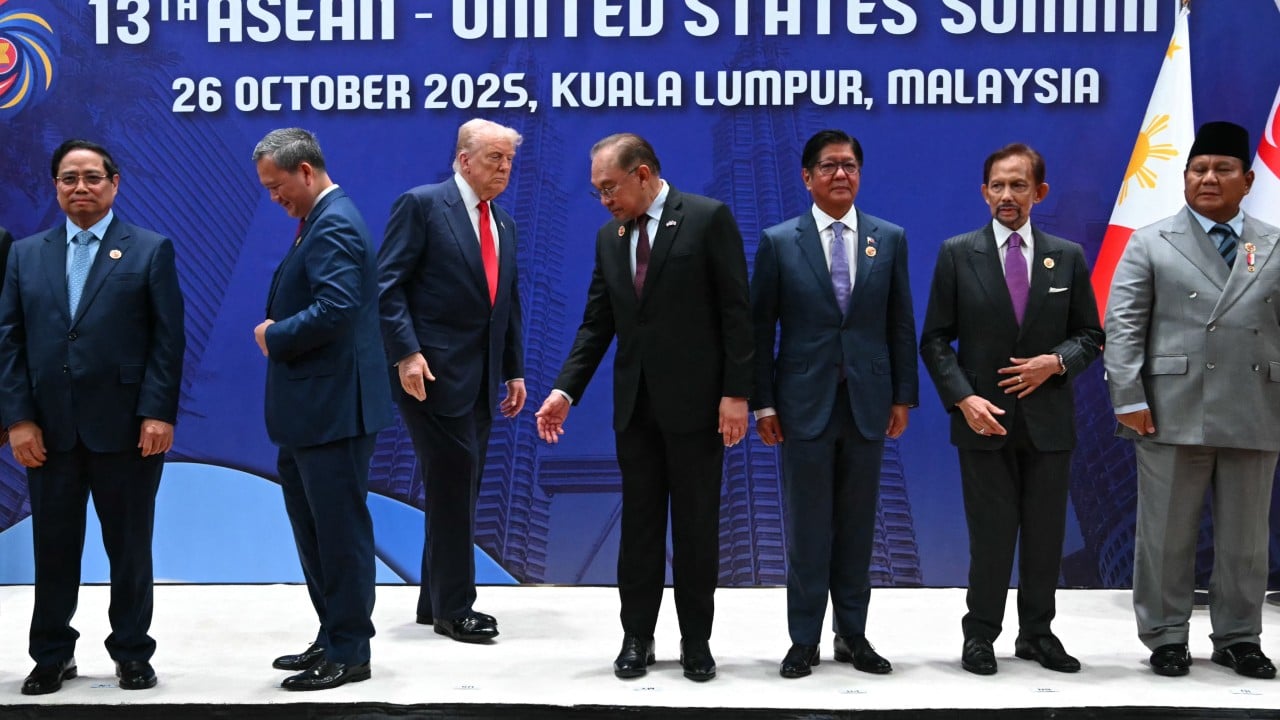
People love to mock diplomatic summits. We have all heard the tired jokes about bureaucrats flying business class just to eat expensive canapés, issue vague joint statements, and schedule another preparatory meeting for a meeting that hasn’t happened yet. Critics look at Southeast Asia's diplomatic architecture and see a toothless talk shop. They are missing the point entirely.
Those endless gatherings are the only thing keeping the region from sliding into open conflict.
When you examine how major global powers handle disputes today, you see a terrifying rush toward transactional brinkmanship. If you disagree, you slap on a tariff, sever a line of communication, or launch a geopolitical ultimatum. Every single friction point becomes an immediate crisis.
Southeast Asia operates differently. It relies on the ASEAN way—a frustratingly slow, consensus-driven process where nobody gets everything they want, but crucially, nobody is forced to surrender entirely either.
Why Consensus Matters More Than Speed
Let’s be honest about the flaws. Consensus takes forever. It is tedious. Indonesia, despite having the largest population and economy in the region, deliberately accepts a check on its own weight. Why? Because restraint builds structural trust.
Smaller member states know that Indonesia cannot unilaterally bully them into submission. Conversely, Indonesia knows smaller states cannot gang up to outvote its core interests. This institutional friction creates safety.
When superpower competition between Washington and Beijing turns the South China Sea into a high-stakes chessboard, smaller nations need a shield. That shield isn't military might. It is the sheer inertia of continuous dialogue.
The Real Value of Showing Up
Think about what happens behind closed doors during these summits. Ministers sit down, they argue, they eat, and—when things get truly difficult—they keep talking.
The core achievement of these regional summits isn't signing a magic treaty that solves historical grievances overnight. The real achievement is much more modest and infinitely more valuable: disagreement does not end the conversation.
If you stop talking, you start preparing for war. As long as diplomats keep showing up to another round of talks, channels remain open. Predictability replaces paranoia.
Look at the economic reality backing this up. Regional trade and investment figures with major partners like China continue to scale dramatically because commercial actors crave predictability. Capital hates volatility. Endless diplomatic touchpoints lower the temperature before local disputes flare into wider economic or military conflagrations.
What Other Regions Get Wrong About Diplomacy
Western institutions often look for a winner-take-all outcome. They want majority votes, binding mandates, and swift punitive actions. That model works fine in homogenous domestic parliaments. It fails miserably in a diverse geographic theater featuring radically different political systems, varying economic developments, and deep cultural divides.
If you try to force total agreement across such a fractured landscape, you break the system. You create winners and losers. The losers eventually walk away, and that is when diplomatic isolation turns into active hostility.
ASEAN survives because it recognizes a hard truth. You don't need to agree on everything to coexist. You just need to preserve the machinery of communication for the things you cannot fix today.
Next time you read about another endless summit yielding little more than a polite communiqué, remember what the alternative looks like. Silence is much more dangerous than a room full of diplomats arguing over coffee.