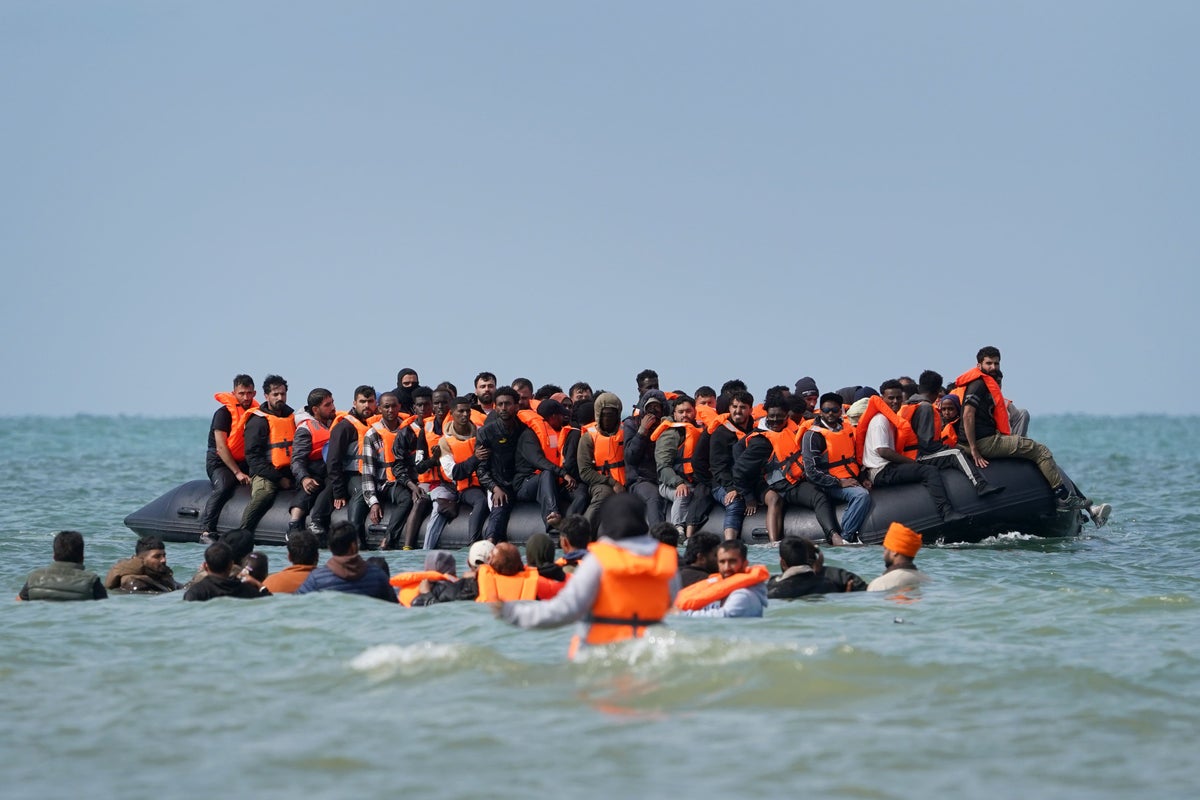
The Atlantic migration route off the West African coast is arguably the most treacherous maritime corridor on Earth. When a wooden canoe leaves the shores of Gambia or Senegal heading for the Canary Islands, the people on board are often chasing an impossible dream against insurmountable odds. They are facing a brutal reality check on a stretch of water that shows zero mercy.
Recently, the grim human toll of this crossing hit headlines once again. A small vessel found drifting roughly 120 kilometres off Gran Canaria revealed a nightmare scenario. Out of the 128 people who initially boarded the canoe in West Africa weeks prior, only 45 survivors remained. NGOs like Caminando Fronteras and local maritime rescue teams confirmed that upwards of 80 souls perished during the weeks-long drift, including women and young children.
The Anatomy of an Atlantic Tragedy
How does a boat vanish into the ocean for nearly a month before anyone intercepts it? The mechanics of these journeys are entirely misunderstood by the casual observer. Smugglers pack flimsy open-deck canoes, locally known as pirogues, past their safe capacity. They provide minimal fuel, erratic water supplies, and virtually no navigation equipment.
Once these vessels drift past coastal waters, they enter the fierce currents of the Canary Current. Engines fail. Supplies run dry within days. The passengers are left at the mercy of blistering sun, saltwater ingestion, and extreme dehydration. When rescue planes finally spot these dots on the horizon, it is often too late for the majority on board.
According to reports from the Spanish Red Cross at the Arguineguín dock, the survivors rescued from this recent boat were suffering from severe disorientation, acute dehydration, and organ distress caused by drinking seawater out of desperation. Transporting them to local hospitals is standard protocol, but the psychological scars of watching companions slip overboard remain permanent.
Why Migrants Keep Taking the Risk
You might wonder why anyone steps foot on these wooden boats knowing the statistical likelihood of death. The answer is painfully simple. Economic collapse, political instability, and a total lack of local opportunity in countries like Gambia and Mali push people to extremes. When staying home means starvation or a lifetime of poverty, a risky ocean voyage feels like the only viable gamble left.
Governments across Europe and West Africa spend billions on border controls, naval patrols, and deterrence campaigns. Yet, interception rates do little to stop the flow when the root drivers of migration remain entirely unaddressed. Patrol boats can push vessels back or coordinate rescues, but they cannot fix the desperation driving people to the beach in the middle of the night.
The Real Cost of Inaction
Blaming smugglers is easy, but it ignores the wider systemic failure of international migration frameworks. Safe and legal pathways are virtually nonexistent for low-income workers from West Africa. Until international policy shifts from reactive border enforcement to proactive economic stabilization and legal mobility options, these wooden canoes will keep launching.
The ocean doesn't care about politics or policy debates. Every time a pirogue drifts into Spanish waters with more corpses than survivors, it exposes a humanitarian failure that global leaders choose to ignore until the next body count hits the news cycle. Look closely at these numbers. Demand accountability from the agencies tasked with maritime rescue and regional development. Support organizations on the ground that track missing migrants and hold authorities accountable.