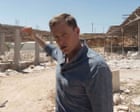
Journalists are supposed to be observers, not targets. Yet, in the occupied West Bank, that distinction dissolved entirely when a masked group assaulted an NBC News crew and a Palestinian woman during an interview.
You're looking at a standard headline from a breaking news cycle. But look closer.
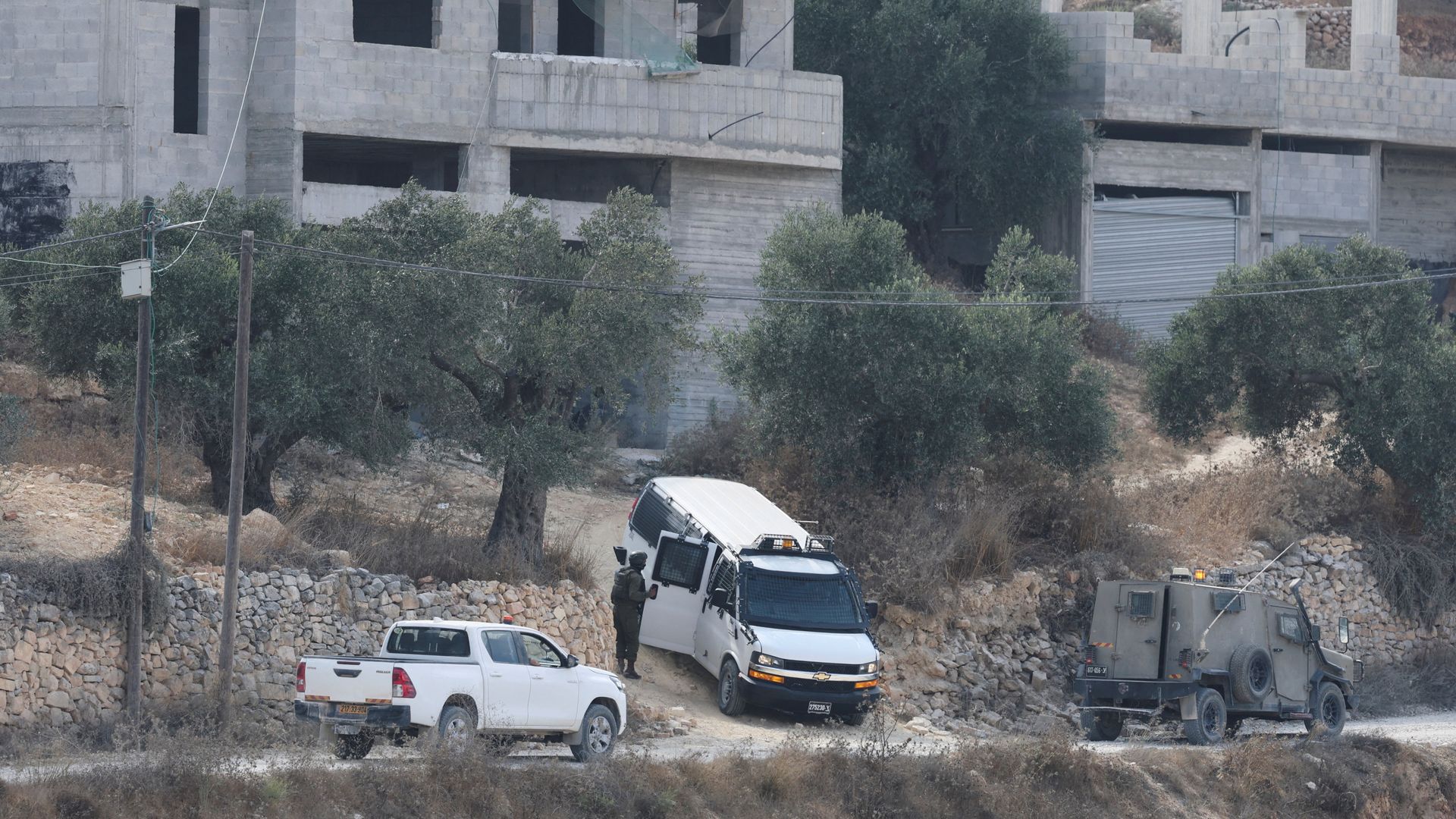
Matt Bradley and his crew—including producer Lawahez Jabari and camera operator Khaldoon Eid—were standing in Jalud, a village near Nablus. They weren't embedding with an active military operation. They weren't dodging crossfire on a front line. They were documenting the raw, quiet devastation of displacement, listening to 51-year-old Aida Ahmed Abdullah explain how masked intruders forced her family out of their home.
Then came the car.
It reversed up the hill. Four masked men jumped out. They carried sticks, and at least one brandished a gun. They didn't shout warnings. They didn't check press credentials. They just beat the crew, threw rocks, and sped away. Bradley took two blows to the arm. Abdullah ended up in a Red Crescent ambulance.
This isn't an isolated scuffle. It’s part of an escalating campaign of violence that has turned parts of the West Bank into a lawless zone where accountability is practically non-existent.
The Reality Behind the West Bank Media Assault
When international journalists get attacked on camera, the world pays attention for about forty-eight hours. Then the news cycle turns. But for the people living in Jalud, Qusra, and dozens of other small agricultural hamlets, the violence doesn't stop when the television crew flies home.
Let's talk about what actually happened on the ground that Saturday.
According to humanitarian monitors, including the United Nations Office for the Coordination of Humanitarian Affairs, dozens of Palestinians have died in West Bank violence over the past year. Settler attacks aren't random outbursts by "a handful of bad actors," no matter how many times political leaders use that exact phrase to deflect responsibility. Benjamin Netanyahu condemned the Jalud assault, calling the perpetrators rioters who harm Israel's global standing.
Condemnations don't fix broken bones. They don't rebuild homes. And they certainly don't deter armed men operating with absolute impunity.
Producer Lawahez Jabari noted that she saw a gun during the assault, even though the attackers chose to use sticks and stones this time. Think about the psychological weight of that moment. You're holding a microphone, trying to tell a marginalized family's story, and masked men pull up to silence you with brute force.
Camera operator Khaldoon Eid put it bluntly: they never expected an ambush in broad daylight in a civilian village. That naivety is gone now. Journalism in the West Bank has transformed into a high-risk combat assignment, even when you're miles away from the nearest military barricade.
Why This Story Keeps Repeating
You might wonder why local security forces don't stop these raids before they happen. The answer is messy, systemic, and uncomfortable.
Israeli military statements frequently mention that troops arrive after the chaos unfolds to separate groups or confiscate vehicles. Notice the timing. Response is not prevention. When families are trapped inside their own homes—as happened earlier in August when supplies were physically blocked from reaching outskirts residences—the intervention often comes too late to matter.
The structural breakdown involves a few harsh realities:
- Law enforcement jurisdiction in large parts of the West Bank leaves Palestinian residents entirely vulnerable to aggressive neighbor actions without reliable local police protection.
- Settler movements often operate with a degree of geographic dominance, patrolling hills and access roads while security forces watch or arrive reactively.
- International media attention spikes only when foreign nationals or mainstream networks become part of the casualty list, ignoring the daily micro-assaults faced by ordinary villagers.
When an NBC News team gets caught in the crosshairs, it forces elite newsrooms to confront a reality that Palestinian journalists have reported on for decades. The danger isn't an accidental stray bullet. It's targeted intimidation designed to keep witnesses away.
What Happens Next
If you're following the region, you know the drill. Official statements will be issued. Investigations will be promised. Conscripts will patrol a bit heavier for a week, and then the patrols will thin out. The masked men will return to the hills.
The real test of accountability isn't whether a prime-ministerial office issues a press release expressing regret. It's whether those specific attackers in Jalud face prosecution in a civil court, or if they walk free like countless others before them.
Don't hold your breath.
If you want to understand the actual state of affairs in the West Bank, stop looking at the high-level peace talks or diplomatic summits. Look at the dirt roads of Jalud. Look at a camera crew nursing bruises at a local clinic. That is where the truth lives.
Protect your sources, verify your safety protocols, and keep recording. Because the moment the cameras turn away is the moment the violence wins completely.