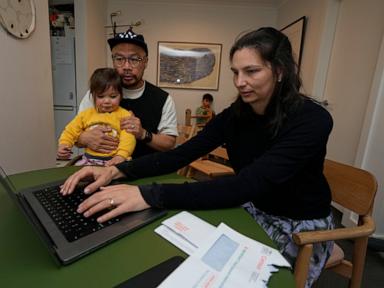
For the first time in history, millions of Australians are filling out a national census that actually asks who they love and how they identify. It sounds basic, but this is a massive shift for a country that has wrestled with how to count its population for decades. The 66-question form includes optional queries regarding sexual orientation and current gender identity for anyone aged 16 and older.
If you have ever felt invisible to policymakers, you know why this matters. Governments spend billions of dollars on healthcare, community programs, and social services based entirely on data. When an entire demographic is missing from official numbers, the funding usually goes missing too.
The Long and Bumpy Road to Inclusion
Getting these questions onto the form was anything but smooth. The current Labor government initially promised to collect this data ahead of the 2022 election victory. Then, in a sudden reversal in 2024, officials dropped the plan. The stated reason was a desire to avoid social friction and divisive public debates.
That retreat sparked an immediate backlash from LGBTQ+ advocates and several backbench lawmakers. Prime Minister Anthony Albanese reversed course yet again just days later, confirming that the sexual orientation query would make the cut.
The Australian Bureau of Statistics (ABS) ultimately designed a system separating sex recorded at birth from current gender. Respondents aged 16 and older can choose from man, woman, non-binary, or write in another term. For sexual orientation, choices include straight, gay or lesbian, bisexual, don't know, or write-in terms.
Why Optional Matters
Making these specific fields entirely optional was a strategic necessity. ABS chief statistician David Gruen noted that while these data points are vital for some, other respondents simply do not wish to share personal details with the government.
Providing a "prefer not to answer" checkbox lowers anxiety around compliance. Completing the census is legally compulsory in Australia, and ignoring the form entirely can result in daily fines of up to 364 Australian dollars. By keeping the identity and orientation fields optional, the government protects privacy while still capturing unprecedented baseline data from millions of willing participants.
Catching Up With the Rest of the World
Australia is not blazing a completely new trail here, though it is arriving at the party later than some of its peers. England and Wales rolled out voluntary questions on sexual orientation and gender identity during their 2021 census. New Zealand followed suit in 2023, and Canada incorporated a sexual orientation metric into its long-form census.
Meanwhile, the United States census has historically lagged behind on direct queries regarding sexual orientation, relying instead on household relationship categories to infer same-sex partnerships.
Demographers point out that missing data leads to poor resource allocation. Australian National University demographer Liz Allen has noted that accurate population metrics help direct mental health funding, aged care support, and localized community grants to the regions that need them most.
What Happens Next
The ABS expects to process roughly 11 million forms, with an estimated 85 percent of households submitting their responses online. Because data processing takes time, the public will not see the first wave of results until mid-2027.
Those raw numbers will permanently reshape how local councils and federal agencies distribute health and social support. If you live in Australia and received your instructions, complete your form online or request a paper copy, keeping in mind that your voice now officially counts.


