Winter used to mean snow on the peaks and cold mornings across the plains. Now, it basically evaporates before spring even arrives. Australia just clocked its second-hottest September on record, and the shift isn't just a quirky weather blip. It’s a glaring symptom of a warming planet smashing headfirst into a strengthening El Niño cycle.
Bureau of Meteorology data shows that the country's average temperatures last month sat a staggering 2.71 degrees Celsius above the historical 1961 to 1990 baseline. Minimum night-time temperatures broke records going back to 1910. When nights refuse to cool down, ecosystems don't get a break. Plants stress, soil moisture evaporates, and the stage is set for an intense fire season before most people have even packed away their jumpers.
Let’s look at what actually happened on the ground.
The Alpine Collapse
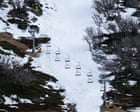
If you want concrete proof that things are changing fast, look at the mountains. Snow depth in the Kosciuszko National Park dropped to absolute zero during September. That has never happened since monitoring started in 1954. Resorts wrapped up their seasons early because there was nothing left to ski on.
At Thredbo, the average night-time temperature for September stayed above freezing for the first time in 59 years of record-keeping. Daytime highs hit 16 degrees Celsius. Victoria's major alpine zones like Mount Buller, Falls Creek, and Mount Hotham all logged their hottest maximum temperatures ever recorded for the month.
Ski fields shutting down early isn't just bad news for snowboarders. It hits local tourism economies hard and signals a fundamental shift in seasonal reliability.
The Dual Drivers of Heat
Why did September turn into an oven? You can point to two massive engines driving the anomaly: background global heating and the tropical Pacific El Niño system.
Global heating has already warmed the Australian continent by more than 1.5 degrees Celsius since 1910. On top of that steady climb, climatologists note that an intensifying El Niño is locking high-pressure systems over south-east Australia. These stagnant pressure systems keep days dry and warm, wiping out the cold fronts that usually bring relief.
New South Wales and Victoria felt this squeeze acutely, enduring their fourth and sixth driest Septembers on record respectively. Meanwhile, Western Australia went the exact opposite direction, recording its second-wettest September since 1904. Climate systems are becoming erratic, swinging between dry heat and torrential soakings.
Seasonal Creep is Here
Climate scientists call it seasonal creep. Winter is ending earlier, and summer is swallowing spring whole. Australia hasn't experienced a below-average September temperature since 2004. Think about that for a second. Entire generations are growing up without knowing what a genuinely cold, traditional transition into spring feels like.
This relentless warmth changes everything from agricultural planning to urban water security. Farmers are forced to adapt planting schedules on the fly because traditional calendars no longer match reality.
If you live in fire-prone regions, the takeaway is stark. Dry soils and early warmth mean the preparation window has shrunk. Clear your gutters, check your bushfire plan, and assume the traditional danger seasons are starting earlier than ever.