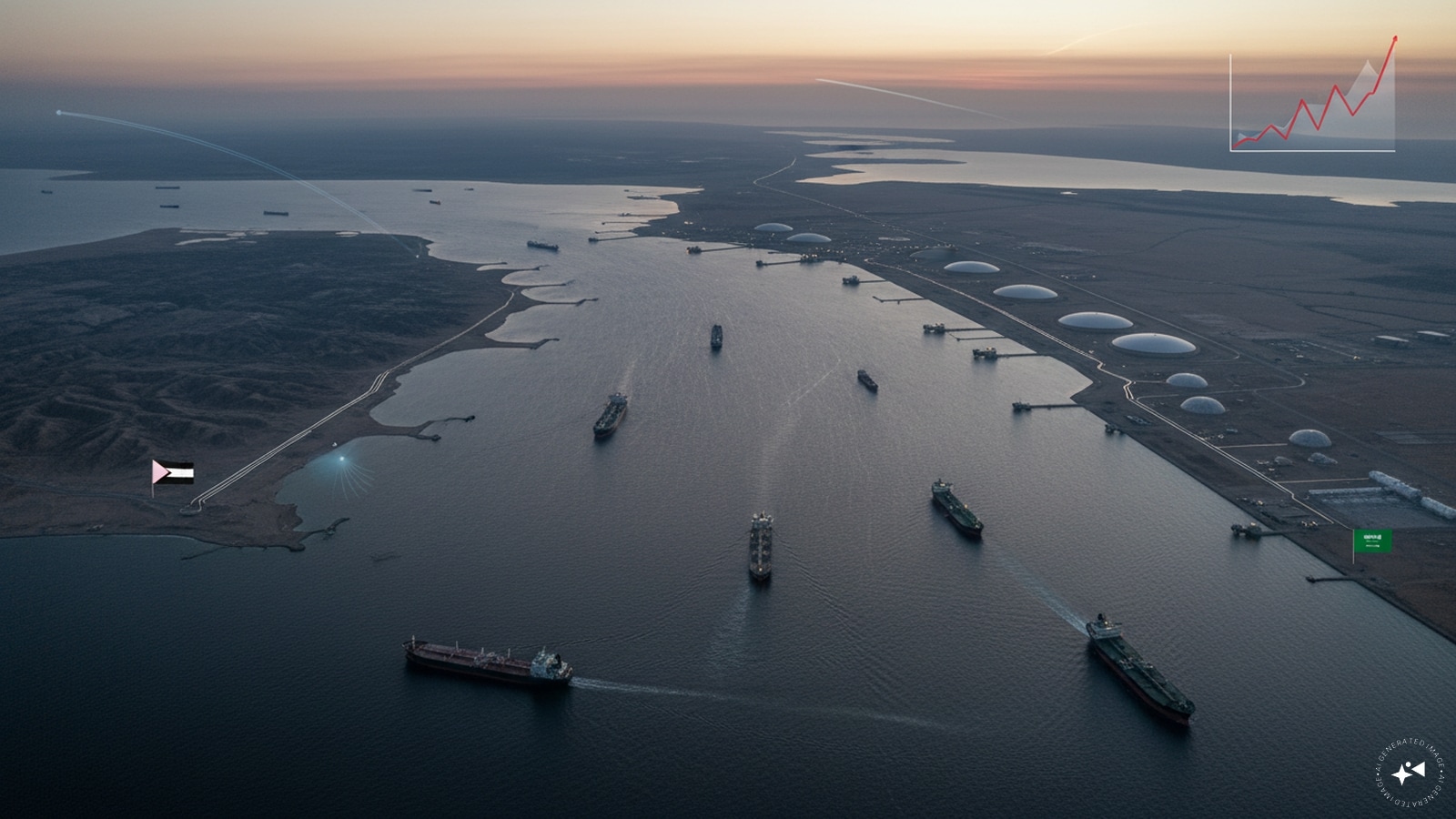
Foreign policy analysts love to wrap regional conflict in polite diplomatic language. They call it friction, tension, or a security dilemma. But on the ground, the reality of Iranian centrality is much harsher. It means drones striking infrastructure, proxy militias calling the shots in fractured states, and a permanent state of edge that keeps millions of people living in anxiety.
You can't understand modern Middle Eastern politics without looking at how Tehran projects power through non-state actors. Dr. H.A. Hellyer, a senior fellow at the Royal United Services Institute, points out that this network remains one of the primary drivers of regional instability. Yet, blaming Tehran alone misses half the picture. Other players push hard for their own versions of regional dominance, creating a brutal clash of ambitions where diplomacy is basically an afterthought.
The Proxy Playbook Explained
How does this network actually function day-to-day? It's not just about direct military command. It is a loose, adaptable web of alliances. Tehran provides funding, advanced weaponry, and tactical training to groups scattered across several countries.
When Yemen's Houthis launch fresh barrages of missile and drone attacks, the official line from Tehran is complete denial. They claim these groups act autonomously. Intelligence experts don't buy it. The operational links are too deep. Weapons components match domestic manufacturing lines inside Iran.
Yet, treating these proxies as mere remote-controlled puppets is a mistake. Local groups have their own domestic agendas, grievances, and survival strategies. Sometimes they drag Tehran into escalations it would rather avoid. That dynamic makes the whole system terrifyingly unpredictable.
Why Traditional Diplomacy Keeps Failing
Western capitals spend billions trying to contain this influence through economic sanctions and naval patrols. Has it worked? Honestly, no. Sanctions squeeze ordinary citizens hard, but they rarely alter the calculus of the ruling elite in Tehran or the leadership of armed militias.
Diplomacy hits a brick wall because the core motivations aren't economic. They are ideological and existential. For the architects of the Iranian security apparatus, projecting power beyond their borders is viewed as a vital defense shield. They fight their wars abroad so they don't have to fight them at home.
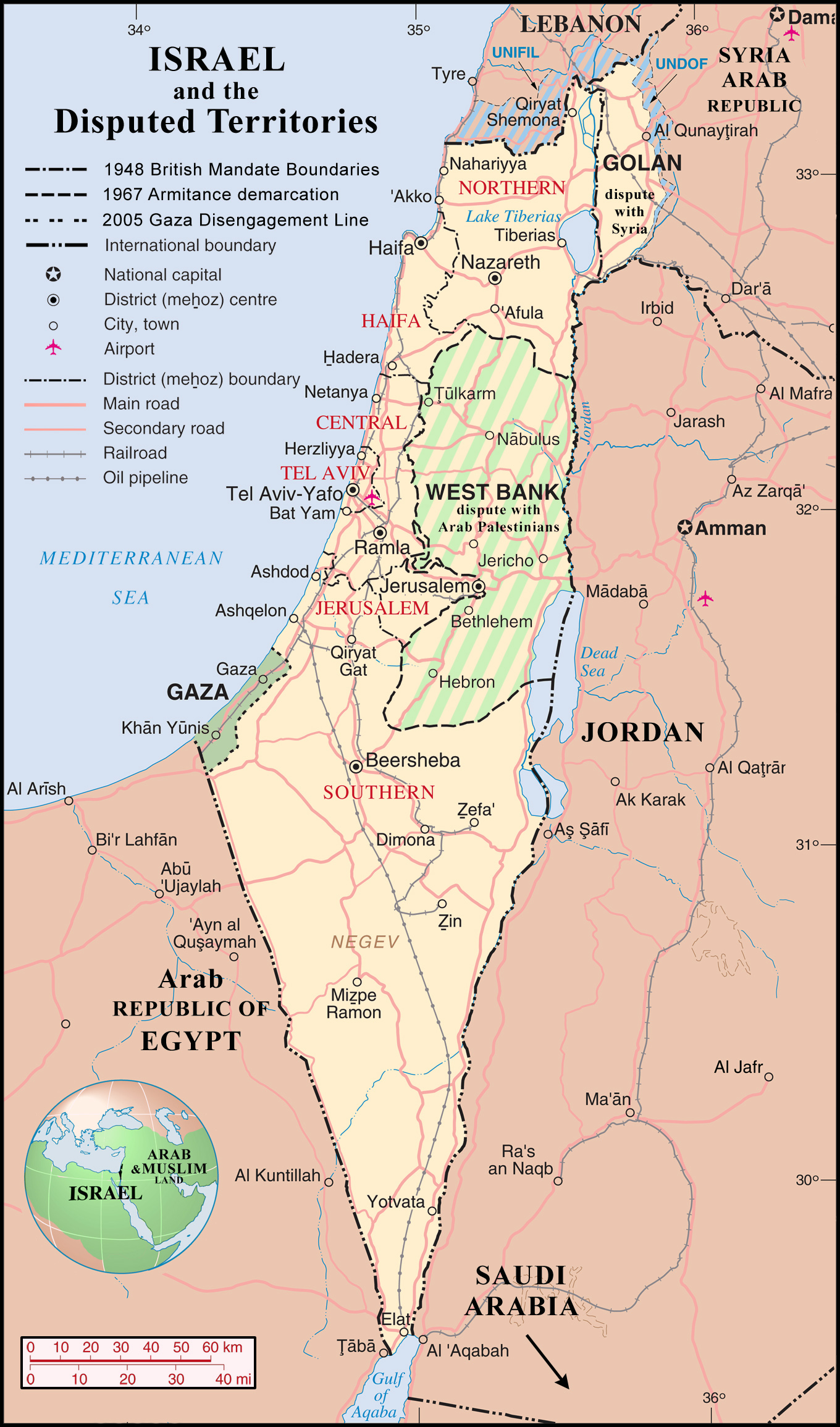
Meanwhile, regional competitors like Israel pursue their own aggressive campaigns for regional dominance. When two unstoppable forces clash over the same patch of geography, compromise becomes nearly impossible.
What Comes Next for the Region
If you are looking for a quick diplomatic breakthrough, stop. There isn't one coming. The structural incentives for de-escalation simply aren't there right now.
Instead, expect more of the same brittle status quo. Low-intensity proxy conflicts will flare up whenever great powers stall out in talks. Border skirmishes will continue. Cyber attacks against critical infrastructure will spike quietly in the background.
Keep an eye on local populations caught in the crossfire. They bear the actual cost of this geopolitical chess match. Until regional powers find a way to share security rather than fight over dominance, the axis of Iranian centrality will keep tearing the map apart.
Axis of resistance 'failed to react' to Israeli attacks
This video provides additional context on how regional proxy networks respond to military pressure and shifting power dynamics.
http://googleusercontent.com/youtube_content/1