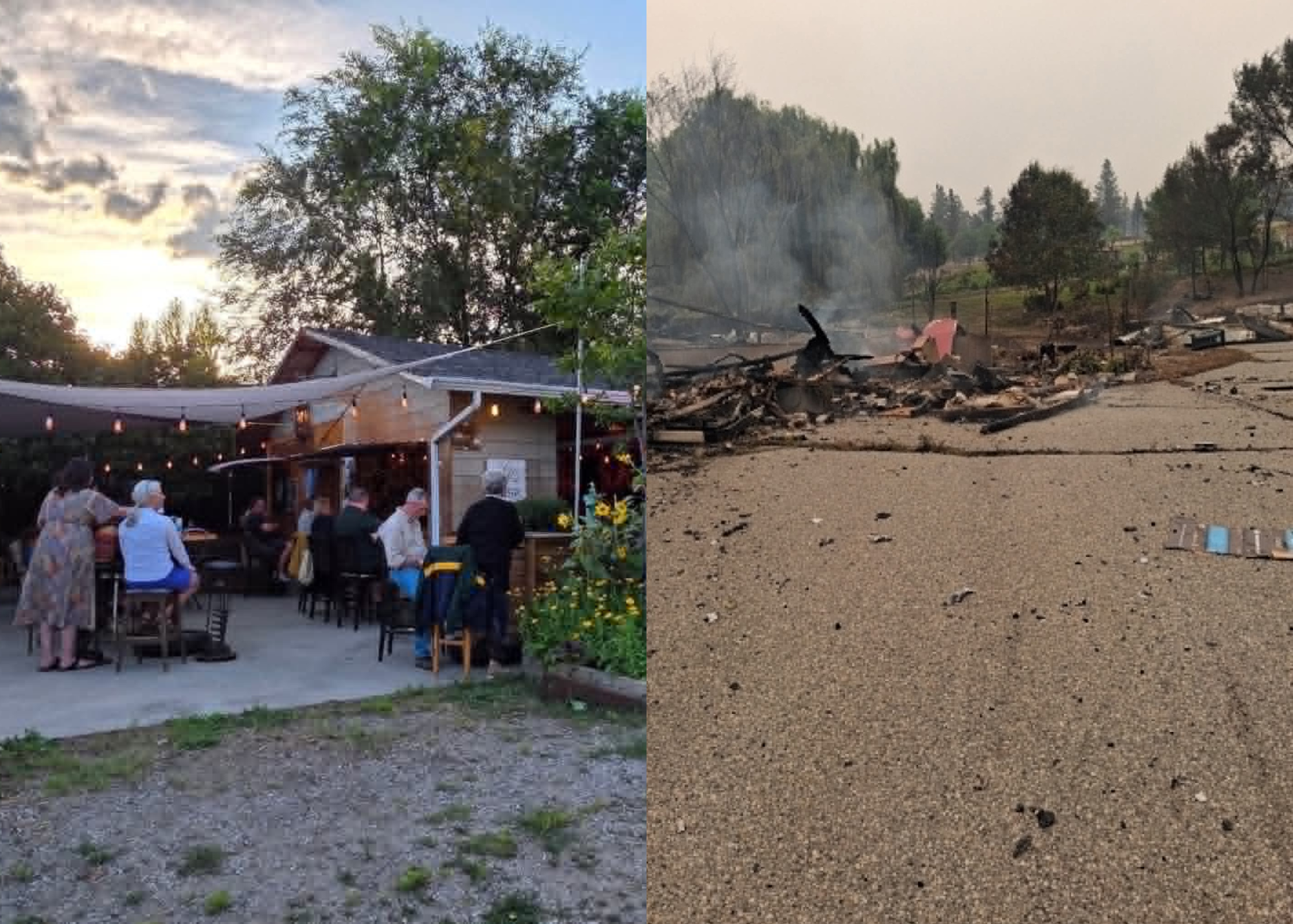
When a fast-moving wildfire tears through the British Columbia interior, it doesn't just burn timber and brush. It erases lifetimes of work in minutes. That harsh reality hit Craig Milton square in the face when the Bald Range wildfire scorched Summerland, turning his property, animal sanctuary, and underground music venue into ash.
Most people scrolling past disaster headlines miss the human element. They see a glowing orange map or a smoke-filled sky and keep swiping. They don't picture the instruments packed for a Saturday night show, the rescued farm animals huddled in green pastures, or the sudden, terrifying scramble to pack a single bag while emergency vehicles roar past.
Let's look at what actually happened during that sudden evacuation, why these fast-moving modern fires catch people off guard, and what the before-and-after imagery tells us about the sheer ferocity of interface fires in British Columbia.
The Night the Mountain Moved Closer
It started like so many other summer emergencies in the province. On a Friday night, word spread about a fire near the Crump Recreation site close to Faulder. For Milton, sitting about fifteen kilometers away, the initial reaction was cautious calm. The fire sat north, hidden by terrain, and seemed too far away to trigger immediate panic.
Then the soundscape changed.
Helicopters started chopping the air overhead. A steady stream of cars, trailers, and flashing emergency lights jammed the nearby routes. Reality hit hard and fast. Faulder was burning, and the defensive posture had to shift from casual monitoring to total survival mode.
If you've never lived through a sudden interface wildfire evacuation, you might wonder why people don't spend hours packing photo albums and heirlooms. The truth is brutal. You get minutes. Sometimes seconds. Milton and his household had to abandon plans for an upcoming concert featuring musicians visiting all the way from New York, trading a night of live music for a frantic, last-minute escape as flames crept right up behind their property.
Surviving the Flames Against the Odds
Before the fire arrived, the property doubled as a refuge for retired animals—goats, sheep, ducks, and chickens. Evacuating a menagerie of rescued farm animals under immediate threat is nearly impossible.
Instead, survival came down to structural luck and smart preparation. The paddocks featured green pastures devoid of heavy coniferous trees and combustible debris. Leaving the animals behind with water, food, and sprinklers running felt like an agonizing gamble, but it paid off. Miraculously, the animals survived the inferno even as the main buildings and infrastructure took the full brunt of the disaster.
The before-and-after photos circulating from the site show a devastating transition. Lush, tree-lined acreage and creative spaces transformed into stark, grey landscapes of twisted metal and ash. The contrast highlights a grim truth of modern fire seasons: defensible space helps, but unpredictable wind shifts can overwhelm even the best-prepared rural properties.
Why British Columbia Wildfires Are Changing
We are dealing with a different beast during fire season now. Dry timber, prolonged drought conditions, and erratic wind patterns mean fires explode rather than burn slowly.
When an alert system fails to give adequate warning—or when a fire moves faster than official text alerts can process—residents become their own first responders. The gap between spotting smoke on the horizon and fleeing for your life has shrunk dramatically over the last decade.
Preparation is no longer just about having a Go-Bag by the front door. It requires rethinking how we build, where we store combustible materials, and how rural communities communicate when cellular networks overload or power fails during the opening hours of a crisis.
Take a hard look at your own emergency readiness. If an evacuation order dropped in the next ten minutes, you wouldn't have time to think. You'd only have time to move. Keep your documents accessible, know your secondary escape routes, and don't assume distance equals safety when a canyon wind starts pushing a fire front toward your door.
Rebuilding a home, a farm, and a music venue takes years of grit. Watching it vanish takes less than an hour.


