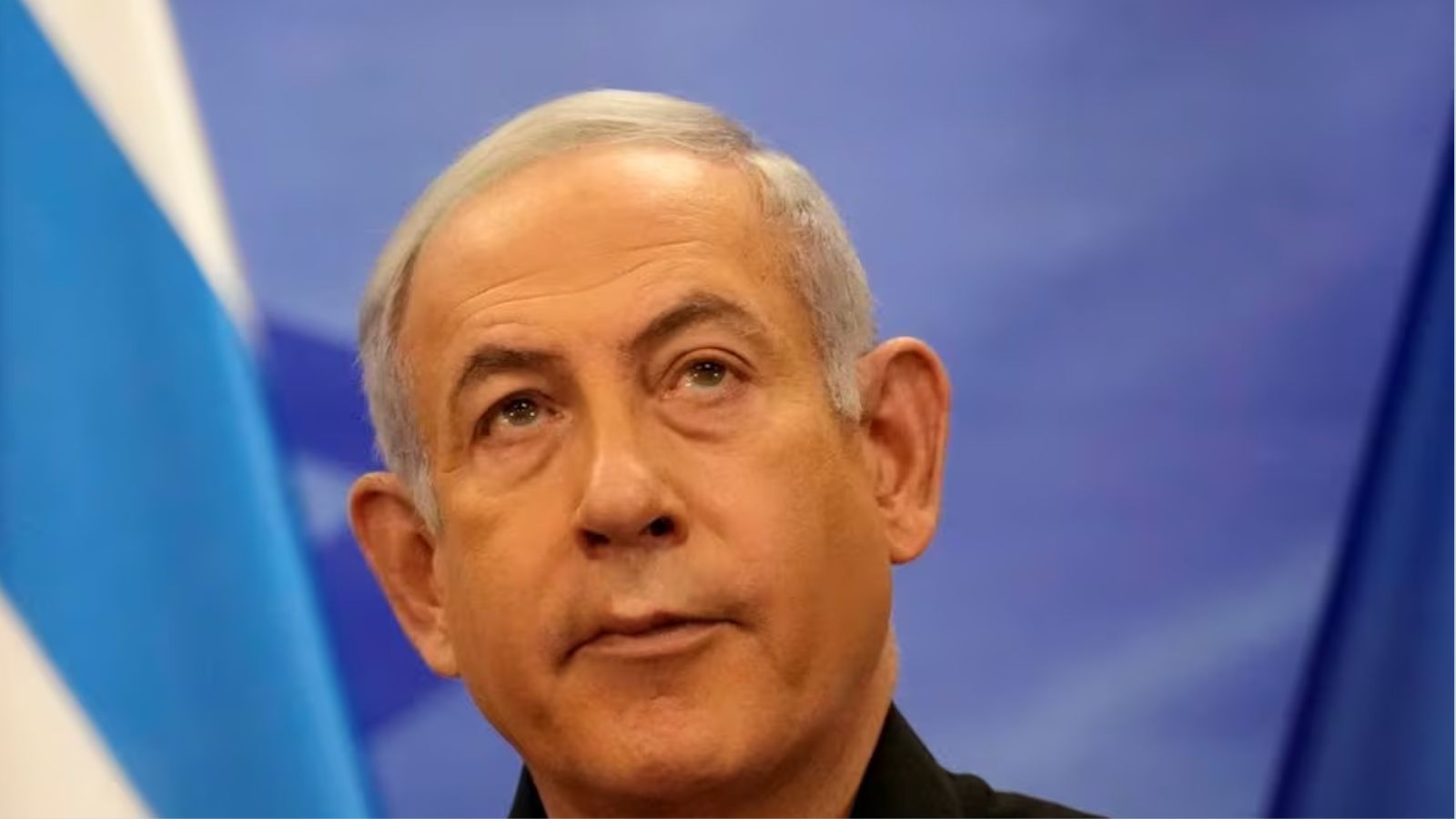
For decades, backing Israel was the easiest vote in Washington. Democrats and Republicans fought over everything else, but Capitol Hill always united behind the Israeli prime minister. That era is dead. Benjamin Netanyahu didn't just stumble into a diplomatic crisis; he engineered one over thirty years of political gambling.
When an Economist/YouGov poll showed that nearly half of Americans believe the Israeli leader should face arrest under international warrants, it confirmed a tectonic shift. You can't blame this entirely on the bloodshed in Gaza or the broader regional war. Those tragedies merely accelerated a fracture that Netanyahu himself started carving out decades ago.
The Dangerous Bet on One Party
Netanyahu knows American politics better than almost any foreign leader. He spent his formative years studying and living in the United States, learning how to speak fluent Washington. But familiarity bred a fatal arrogance.
Instead of treating American support as an institutional asset belonging to both nations, he treated it as a partisan tool. He hitched his entire political wagon to the American right wing. He assumed conservative evangelicals and populist Republicans would remain permanently ascendant.
The definitive breaking point happened back in 2015. Netanyahu bypassed President Barack Obama entirely, accepting a Republican invitation to address a joint session of Congress to torpedo the Iran nuclear deal. Conservatives cheered. Millions of Democrats, however, took note. They realized a foreign leader was actively campaigning against their sitting president.
From that moment on, Israel stopped being a bipartisan article of faith. It became a wedge issue.
When Bipartisanship Dies
Alliances survive because they are anchored in shared institutional values, not because they depend on the whims of a single administration. By tying his fortunes tightly to Donald Trump and the Republican base, Netanyahu alienated an entire generation of Democrats.
Even when President Joe Biden provided unprecedented military and diplomatic cover after the October 7 attacks—absorbing fierce internal party criticism to protect Israel—Netanyahu answered with public hostility. He accused Washington of holding back weapons, rejected post-war governance blueprints, and flatly contradicted White House strategy on live television.
Leaders in Washington noticed. The traditional blank check started bouncing. Democratic lawmakers began drafting legislation to condition military aid on compliance with humanitarian law. Even among conservative circles, younger populist factions started questioning unconditional foreign entanglements.
A Total Absence of Political Horizon
The crisis isn't just about partisan optics. It's about policy substance.
Netanyahu's governing coalition depends on ultranationalist ministers who openly advocate for permanent annexation, collective punishment, and the erasure of any path toward Palestinian statehood. By shutting the door on a viable political horizon, his government made perpetual conflict look like the primary objective rather than an unfortunate byproduct.
When you offer no framework for peace other than infinite military control, you exhaust the goodwill of even your most loyal international defenders. Military superiority can win battles, but it cannot manufacture political legitimacy once it's gone.
History will record that Israel's standing in Washington wasn't dismantled by its enemies in Tehran or Beirut. It was dismantled in the Oval Office and on Capitol Hill through a steady accumulation of defiant choices made by one man.
Why Americans fell out of love with Israel - explained
This video provides an in-depth look at the historical shifts and polling data behind the changing dynamics of the US-Israel alliance.
http://googleusercontent.com/youtube_content/1