Presidents don't always fly where you think they do. Security threats change the math entirely.
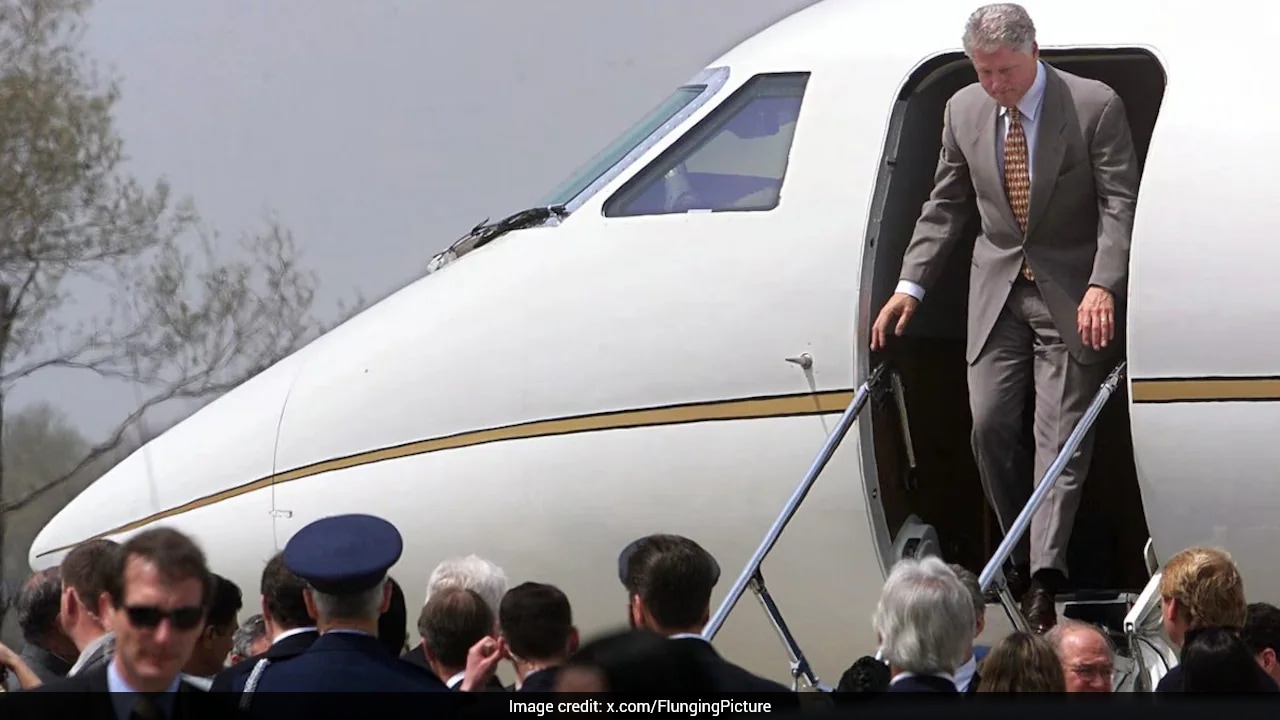
Back in March 2000, President Bill Clinton pulled off a high-stakes travel trick. He flew from India into Islamabad, Pakistan, under intense regional tension. Except, the aircraft everyone watched land wasn't carrying him at all.
A decoy jet bearing the classic Air Force One markings touched down in front of the cameras. A Secret Service agent designed to look like the commander-in-chief stepped out. Meanwhile, the actual president arrived quietly on an entirely separate, unmarked aircraft.
The ruse worked. But the real story isn't just the decoy. It's how the White House handled the press corps while doing it.
The Inside Track That Stayed Hidden for Decades
Secretive presidential movements usually leak. This one didn't—for over twenty-five years.
Susan Page, who covered the trip for USA Today and served as the president of the White House Correspondents' Association at the time, kept a massive secret. Right before the flight from India to Pakistan, security officials summoned her for an off-the-record conversation.
They laid out the raw reality. The airspace was volatile. The threats were real. They told her about the decoy strategy and where Clinton would actually be sitting.
Why loop in a journalist? Safety and trust. The administration understood that the reporters traveling with the pool faced the exact same physical risks. They also needed an independent observer to know the truth without blowing the security operation wide open.
Page honored that agreement for a quarter-century. She only spoke up recently after modern presidential security maneuvers brought similar tactics back into public view.
How the Decoy Operation Actually Went Down
The logistics required military precision. Clinton left Mumbai on a military transport aircraft, then secretly transferred to a smaller, unmarked Gulfstream jet.
While that jet flew its own path, a separate decoy aircraft carried standard presidential markings straight into Pakistan. When the decoy landed, the decoy double stepped off the stairs to draw any potential hostile attention. Minutes later, the unmarked plane carrying the real president touched down.
It sounds like a spy movie script. In reality, it highlights the extreme measures required when a sitting president visits a high-conflict zone.
Why Modern Presidential Security Is Changing
Recent high-security travel shifts—such as secret plane swaps out of Turkey involving modern administrations—have sparked intense debates about transparency. Modern operations often leave the traveling press entirely in the dark, forcing reporters to keep window shades shut while swaps happen via catering trucks.
That difference matters. The Clinton administration used deception, but they brought leadership in the press corps into the fold. They treated reporters as partners in risk management rather than variables to be managed.
When threats against leaders force aviation trickery, communication breaks down fast. History shows that honesty with the watchdogs keeps everyone safer in the end.


