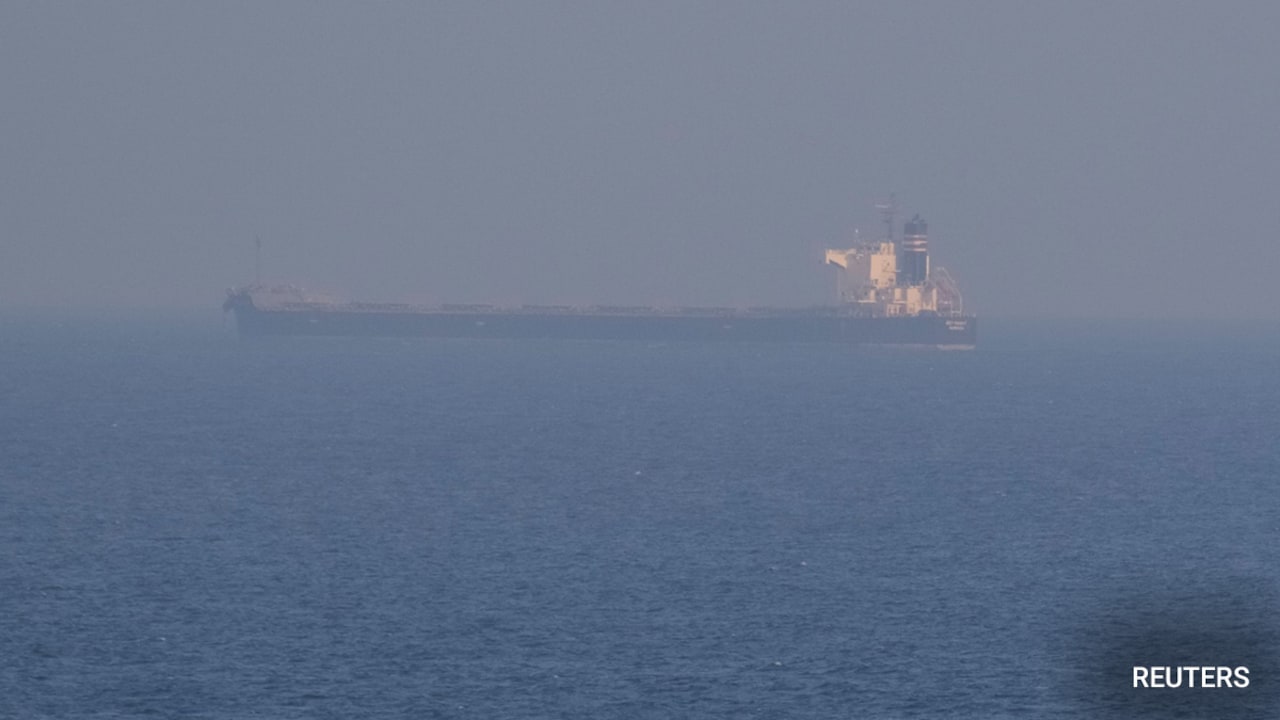
The Black Sea is a maritime choke point where every cargo haul carries geopolitical risk. When a commercial freighter goes down with fatalities in contested waters, the shockwaves hit global grain markets immediately. Two people are dead after a Turkish-owned cargo ship sank following an explosion and fire in Romania's exclusive economic zone.
Ukrainian President Volodymyr Zelensky wasted no time pointing fingers, stating that a Russian drone strike targeted the civilian vessel as it transported corn from Ukraine to Italy. The incident highlights the ongoing vulnerability of commercial shipping lanes that sustain grain exports to international markets.
The Incident in Romanian Waters
The cargo ship, identified by Romanian authorities as the Royad Mammadov, ran into disaster roughly thirty nautical miles south of Sfantul Gheorghe in Tulcea County. Sailing under the flag of Saint Kitts and Nevis, the vessel had departed from the Ukrainian port of Izmail loaded with corn.
Romania's Coast Guard and Naval Authority scrambled rescue helicopters and response vessels after receiving emergency alerts. Out of the crew on board, which included citizens from nations such as India and Azerbaijan, eleven individuals survived and received medical attention for injuries. Rescuers recovered two bodies, confirming the worst-case scenario for maritime workers operating in these volatile corridors.
While Romanian authorities initially focused on managing the fire and rescue operations without officially attributing an immediate cause, Zelensky made bold claims via social media. He asserted that two separate drone strikes hit the civilian ship in neutral waters, calling it a deliberate act of terror directed against normal maritime navigation.
Navigating the Black Sea Risk Matrix
Commercial shipping in the region has faced severe disruptions since the full-scale conflict began in 2022. Grain corridors out of Ukrainian ports require precise coordination, yet accidents and attacks remain an ever-present hazard.
Insurance premiums for vessels entering the area skyrocketed years ago. Crew members face daily anxieties regarding drifting sea mines, aerial strikes, and naval drones patrolling the waters. Romania's Ministry of National Defense has already neutralized multiple drifting mines and deployed fighter jets to intercept explosive naval drones near offshore gas platforms.
Grain traders watch these incidents closely. Any threat to the maritime corridor disrupts global food security, triggering immediate price spikes across European and Mediterranean markets. The loss of the Royad Mammadov proves that civilian crews continue to bear the human cost of a war fought thousands of miles away from traditional battlefronts.
Tightening security protocols and establishing stronger international oversight in neutral zones remain urgent priorities. Until concrete safeguards protect merchant shipping, every voyage through the Black Sea remains a dangerous gamble for the crews keeping global supply chains alive.