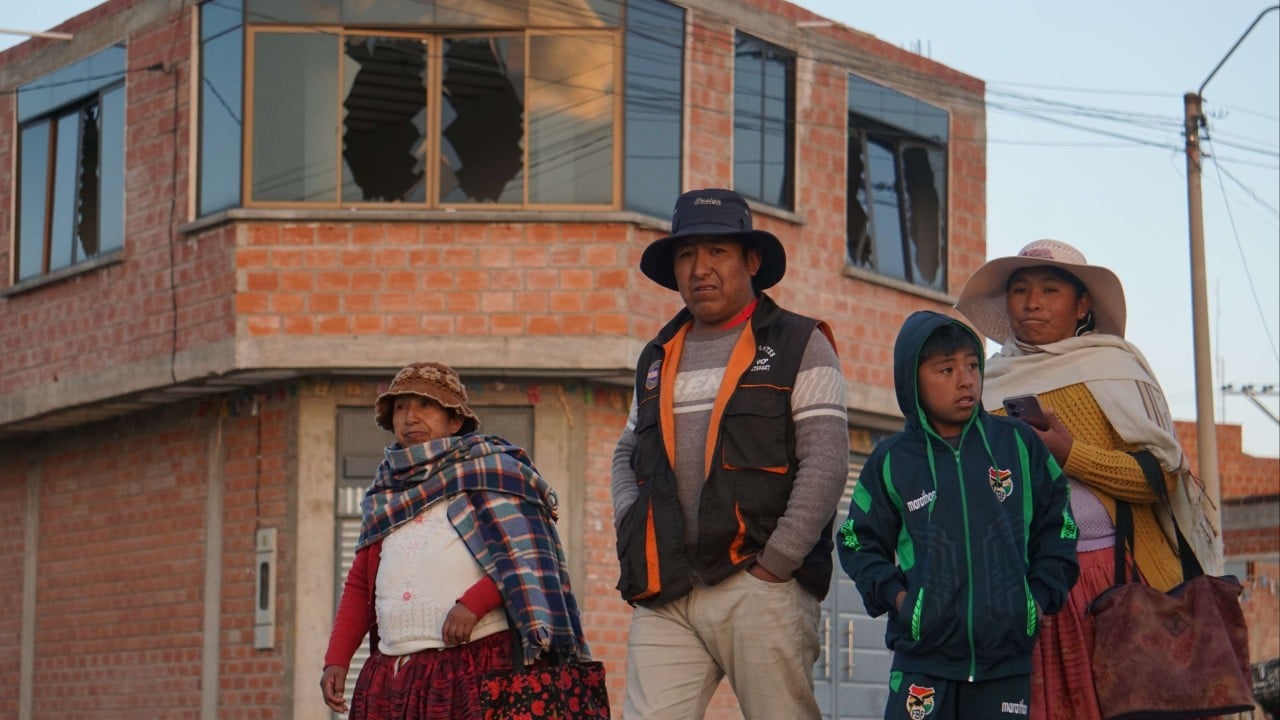
A massive explosion tore through a military facility in Viacha, Bolivia, leaving a trail of destruction, dozens injured, and families desperately searching for answers. When a stockpile meant for pyrotechnics and defense ministry materials detonates right inside a populated army base, it is not just an unfortunate accident. It is a systemic failure of safety protocols that puts civilian neighborhoods and young conscripts directly in the line of fire.
If you have been following the initial reports coming out of the "Bolivar" Mechanized Artillery Regiment in Viacha—located about 30 kilometers from La Paz—you know the figures fluctuate wildly depending on the hour. Local health officials and regional directors initially reported up to 10 to 15 dead and over 60 injured, while subsequent updates from government ministries and military commanders adjusted specific confirmed tolls and missing person counts. Numbers aside, the reality on the ground remains devastating. Windows shattered across neighboring homes, children suffered severe burns, and families woke up to a nightmare because explosives were stored too close to human lives.
What Triggered the Viacha Blast
Authorities pointed the finger straight at a defense ministry stockpile containing pyrotechnics and black powder. Storing volatile materials in close proximity to active personnel housing and urban areas is playing with fire—literally.
Military bases are supposed to be secure, highly regulated zones. Yet, time and time again, outdated storage practices, poor inventory management, and lax safety oversight turn national defense compounds into ticking time bombs. When a detonation of this scale happens, it raises an uncomfortable question: how many other military installations are sitting on volatile stockpiles without proper containment?
The blast happened around 2:30 p.m. local time, catching many off guard. Conscripts, often young men serving their mandatory military service, were stationed at or near the compound. For families who send their teenagers off for national service expecting them to be trained and protected, receiving news of a catastrophic munitions accident is unforgivable.
The Immediate Aftermath and Rescue Chaos
Emergency response teams faced immense danger immediately following the initial shockwave. Firefighters warned that lingering heat sources at the site threatened secondary explosions, forcing rescue crews to proceed with extreme caution and keeping desperate family members outside a strict 150-meter security perimeter.
Hospitals in La Paz and Viacha scrambled to handle the influx of wounded patients. Treating dozens of patients with blast trauma, shrapnel wounds, and severe burns strains local medical infrastructure that is rarely equipped for sudden mass-casualty military accidents.
Boluvian President Rodrigo Paz announced a period of national mourning and promised a transparent investigation. He also urged the public not to politicize the tragedy. But transparency requires more than words. When military leadership announces reviews of internal protocols, the public rarely gets to see the resulting policy changes enforced.
Accountability and What Needs to Change
Accidents involving military storage facilities are entirely preventable. If you run or oversee hazardous material storage, safety margins are non-negotiable.
- Isolate Volatile Materials: Pyrotechnics, black powder, and high explosives must be stored in bunkers located far away from population centers, administrative offices, and sleeping quarters.
- Strict Temperature and Humidity Control: Munitions degrade over time, especially when exposed to unstable environmental conditions that increase volatility.
- Independent Audits: Internal military reviews are not enough. Civilian oversight boards must regularly inspect defense stockpiles to ensure compliance with international safety standards.
Families of the victims and the missing deserve real answers, not bureaucratic deflection. Until governments treat ammunition depot safety with the absolute seriousness it demands, tragedies like the one in Viacha will keep repeating.
Demanding strict accountability from military leadership is the only way to prevent the next preventable disaster.