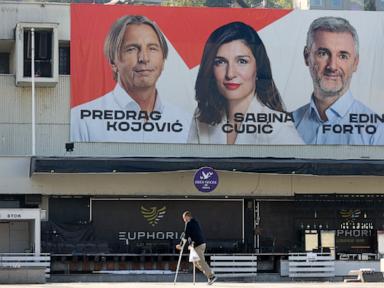
Polling stations have shut across Bosnia and Herzegovina, and the results rolling in reveal a political system trapped in a loop. Around 3.4 million citizens were eligible to vote in a high-stakes general election. They faced a familiar ballot sheet dominated by ethnic nationalism, economic anxiety, and the outsized shadow of a sanctioned figure who wasn't even allowed to run. If you think Western electoral politics are messy, take a look at the complex architecture holding Bosnia together.
The vote determined seats for the country's tripartite presidency, national parliament positions, and leadership posts across the nation's two primary entities: the Bosniak-and-Croat dominated Federation of Bosnia-Herzegovina, and the Serb-majority Republika Srpska. For the first time, election officials implemented electronic voter identification and ballot scanning gear to crack down on historic tampering and fraud. Yet, old habits die hard in the Balkans. Early morning delays hit dozens of polling stations due to technical hiccups with the new digital machines, annoying voters waiting outside in the autumn chill.
The Man Who Wasn't on the Ballot
You couldn't escape Milorad Dodik during this election cycle, even though he was legally barred from running. Banned from public office following a conviction for defying the international peace envoy overseeing the 1995 Dayton Peace Agreement, the staunchly pro-Russian politician ran an aggressive shadow campaign. He saturated local media feeds, rallied his base with separatist talking points, and claimed his nationalist camp smashed expectations.
According to early returns with nearly 90% of ballots counted, Dodik's ally Zeljka Cvijanovic—running under the Alliance of Independent Social Democrats—held a commanding lead of over 55% for a seat on the tripartite presidency. Dodik openly credited his camp's momentum to international shifts, leaning heavily on political alignments with figures like Vladimir Putin. For most ordinary citizens, however, geopolitical posturing does nothing to fix stagnant wages or stop the steady youth exodus draining towns of working-age talent.
Why Everyday Voters Are Frustrated
Decades after the brutal 1992-1995 conflict ended, roughly 75 political parties still organize themselves primarily along ethnic lines. This division keeps old war narratives alive while politicians ignore basic infrastructure, corruption, and failing public services.
Voters in cities like Mostar and Sarajevo voiced deep cynicism on election day. Many argue that the political elite stoke ethnic fears simply to distract the public while they secure power and look after their own interests. The EU accession process remains stalled, trapped behind a wall of bureaucratic inertia and constant political brinkmanship.
The introduction of electronic scanners offered a brief spark of hope for a cleaner ballot count. Voters like Radomir Vukelic expressed relief at seeing modern hardware inside booths, hoping it would lock out the rigging scandals of past decades. But hardware alone cannot fix a political culture built on division. As the final results shake out, Bosnia remains a nation caught between a difficult past and a stalled future, waiting to see if real reform will ever break through the noise.