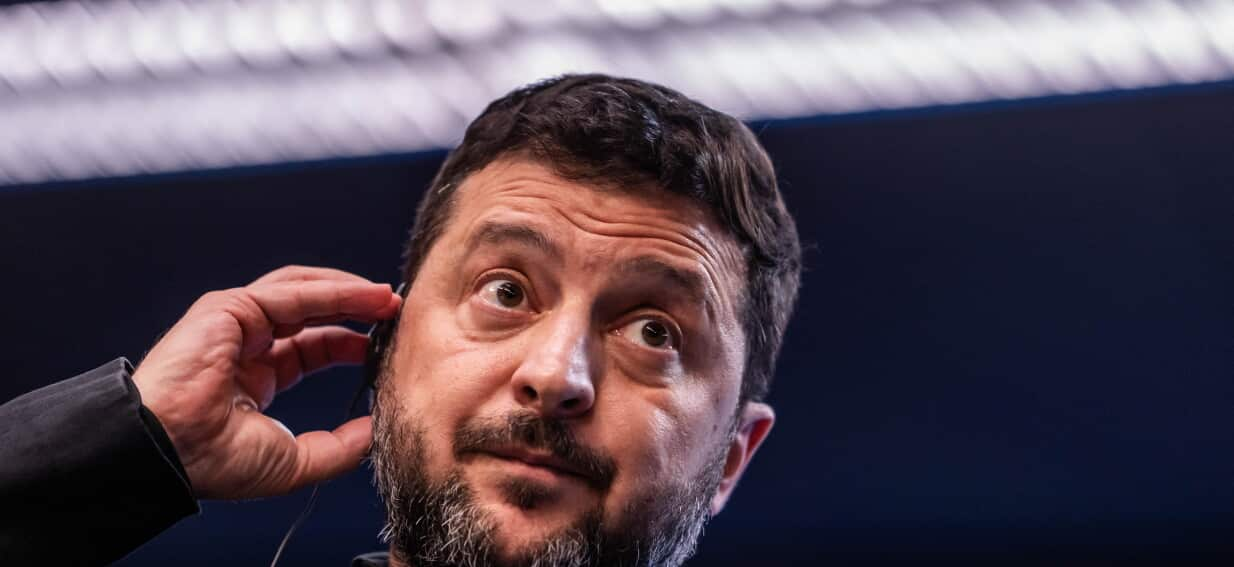
Politics in Latin America's largest democracy rarely plays out quietly. When incumbent President Luiz Inácio Lula da Silva and right-wing challenger Flávio Bolsonaro stepped onto the stage for their high-stakes debate ahead of the October 25 runoff, the gloves came off immediately. After a first round that left the country sharply divided—with Bolsonaro pulling a surprise lead of roughly 47 percent to Lula's 45 percent—this face-to-face clash was the moment millions of undecided voters had been waiting for.
If you want to understand why this election feels entirely different from past Brazilian showdowns, you have to look past the campaign ads and examine what happened when these two political heavyweights finally locked horns under the bright lights of São Paulo.
The First Real Clash After Months of Dodging
For months, the campaign was defined by what didn't happen. Both frontrunners skipped multiple debates during the first round, leaving citizens to vote on October 4 without ever seeing the candidates challenge each other live. That changed dramatically on Sunday night.
The studio atmosphere crackled with tension from the opening minute. Lula, trying to claw back momentum after trailing in the first round, attacked his rival's lack of ordinary life experience.
"My opponent only knows about buses from books," Lula fired back during a heated exchange on public transport and social services. "He has never even stepped foot on one. He has no idea what the world of work is like."
Bolsonaro, representing the conservative opposition while his father serves a 27-year sentence under house arrest for a botched coup, gave right back. He accused the incumbent of relying on "electoral opportunism," pointing to last-minute legislative pushes like a newly approved constitutional amendment guaranteeing two days of paid rest per week. Bolsonaro warned voters that Lula's promises of debt forgiveness and tax cuts are empty gimmicks designed to mask soaring public debt.
Tackling the Core Issues That Matter to Everyday Brazilians
Voters tuned in looking for concrete answers on inflation, public safety, and health. The answers revealed two starkly different visions for the country's future.
Security remains a primary concern for households across Brazil. Bolsonaro doubled down on his hardline approach, arguing that current measures are too soft and praising aggressive models of mass incarceration. He didn't shy away from controversy, promising that anyone who thinks he's tough now hasn't seen anything yet.
Lula countered by leaning on his legacy of social welfare programs and attempting to dismantle his opponent's credibility on public health. Interestingly, when the conversation turned to the handling of the COVID-19 pandemic during the previous administration, even Bolsonaro admitted it wasn't an area where they saw the best results, offering a rare moment of concession.
The Strategy Going into the Final Stretch
With polls showing a razor-thin race—such as a recent Vox Brasil survey giving Lula 51 percent and Bolsonaro 49 percent of valid votes—every single misstep counts.
Lula is banking on his ability to mobilize the working class, reduce abstention rates, and pick up voters who backed third-place candidates like Augusto Cury, who refused to endorse either finalist. At the same time, he's weaponizing Bolsonaro's legal baggage and continuing to paint the opposition as detached from the daily struggles of ordinary citizens.
On the other side, Bolsonaro is riding a wave of anti-establishment sentiment. His campaign relies heavily on harnessing widespread frustration with inflation, hammering the Workers' Party over past scandals, and rallying conservatives with promises to challenge elite power structures and eventually free his imprisoned father.
What Happens Next in Brazil
The countdown to October 25 is ticking away fast. With another major debate scheduled on TV Globo before voters head to the polls, the candidates have very little room for error.
If you are following this race closely, watch how both camps handle regional turnout and economic messaging in the final days. The winner won't just dictate Brazil's domestic economic policy for the next four years; they will fundamentally reshape geopolitical alignments across South America.
Check your voter information sources, keep an eye on final polling shifts, and prepare for a finish that will go down to the absolute wire.