Elections in Latin America's largest democracy rarely feel calm, but the high-stakes showdown heading into Brazil's run-off vote has pushed political friction to breaking point.
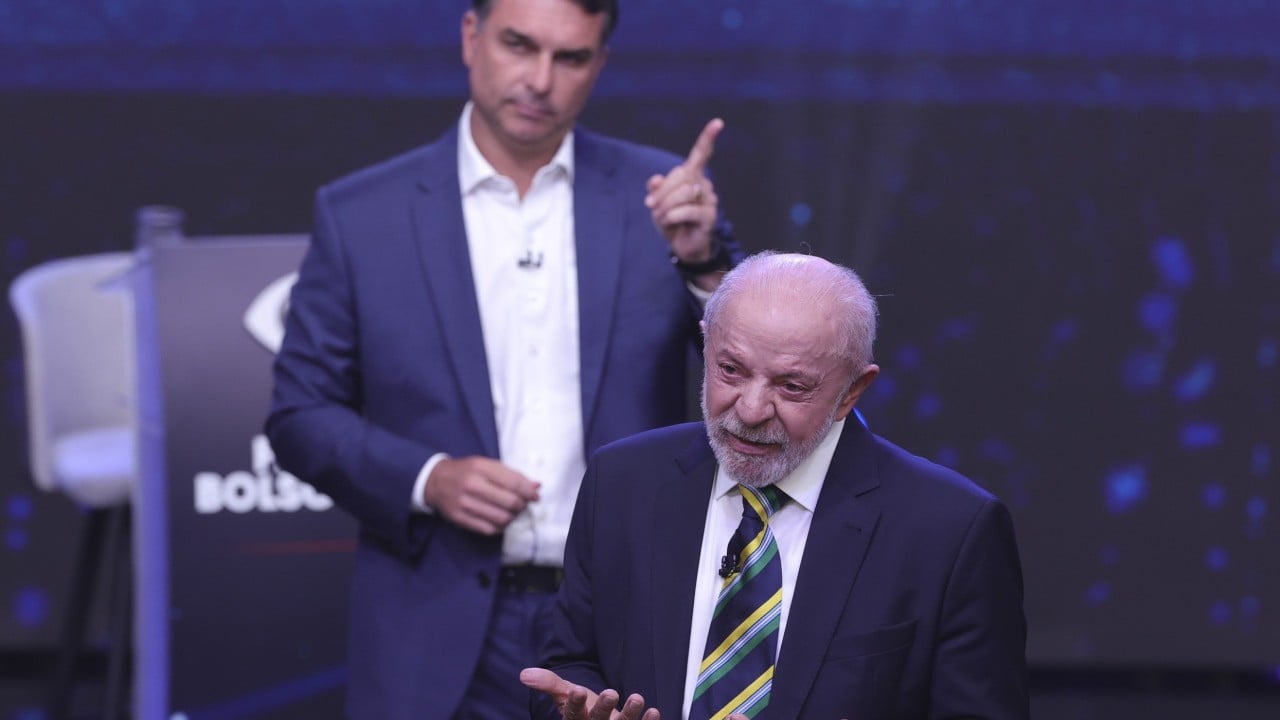
President Luiz Inácio Lula da Silva and Senator Flavio Bolsonaro—standing in for his father, former president Jair Bolsonaro, who is serving house arrest for a botched post-election coup bid—recently went head-to-head in a fiery televised debate. Rather than a policy-driven exchange on inflation or infrastructure, viewers watched a bruising spectacle of personal insults, corruption allegations, and shouted accusations.
If you want to understand why millions of Brazilians feel completely alienated by their choices right now, look no further than that stage.
The Circus on Stage
With the second round of voting just a week away, both campaigns threw out any pretense of diplomatic decorum. The debate featured limited moderation and gave candidates room to pace the stage, turning the encounter into a volatile shouting match.
Lula did not hold back against his right-wing opponent. He labeled the Bolsonaro family synonymous with deceit, pressing the senator on ties to jailed banker Daniel Vorcaro. Bolsonaro shot back by digging into old corruption controversies surrounding Lula and his allies, accusing the incumbent administration of systemic theft and broken promises.
At one point, Bolsonaro quipped that he was glad he had left his wallet behind—a thinly veiled jab at Lula's historical corruption convictions, which were later annulled. Lula countered by mocking the senator's privileged background, claiming his opponent had never set foot on a public bus or experienced real working-class struggles in Brazil.
Security and the Shadow of the Past
Voters are heading into this run-off with starkly different visions for the country's future, particularly regarding public safety.
Bolsonaro has doubled down on an aggressive law-and-order platform. He promised to designate major criminal gangs and militias as narco-terrorist organizations and construct hundreds of thousands of new prison cells, even hinting that El Salvador's aggressive mass-incarceration model might be too mild. His supporters rallied behind this hardline stance, arguing that the Workers' Party has lost all moral legitimacy to govern.
Meanwhile, Lula has focused on social program expansions, debt forgiveness for micro-entrepreneurs, and targeted tax reliefs. He is heavily courting the roughly 33 million voters who sat out the first round—nearly one in five eligible citizens who chose not to cast a ballot.
Why the Race Stays Razor-Thin
Despite the mudslinging, polls indicate an intensely narrow margin. Lula is attempting a historic feat: becoming the first candidate since Brazil returned to democracy in the 1980s to finish second in the opening round and claw his way back to win the run-off.
Yet voter fatigue is real. Millions of Brazilians are exhausted by the endless cycle of scandals, disinformation on social media, and abrasive rhetoric from both sides. When political debates morph into personal vendettas, the real losers are the citizens trying to figure out how to pay their bills and keep their families safe.
The final stretch before the polls open won't get cleaner. Expect more attacks, tighter security measures, and a frantic scramble for every last undecided vote.