Elections in Latin America's largest democracy rarely feel calm, but the high-stakes political battlefield playing out across Brazil right now is testing the limits of national patience. You're looking at a deeply fractured electorate heading to the ballot boxes under the heavy shadow of polarization, economic friction, and fierce personal rivalries.
If you want to understand why millions of Brazilians feel completely stuck between two rigid political camps, you have to look past the noisy headlines. The reality on the ground is messy, unpredictable, and fiercely contested.
The Battle Lines of a Divided Nation
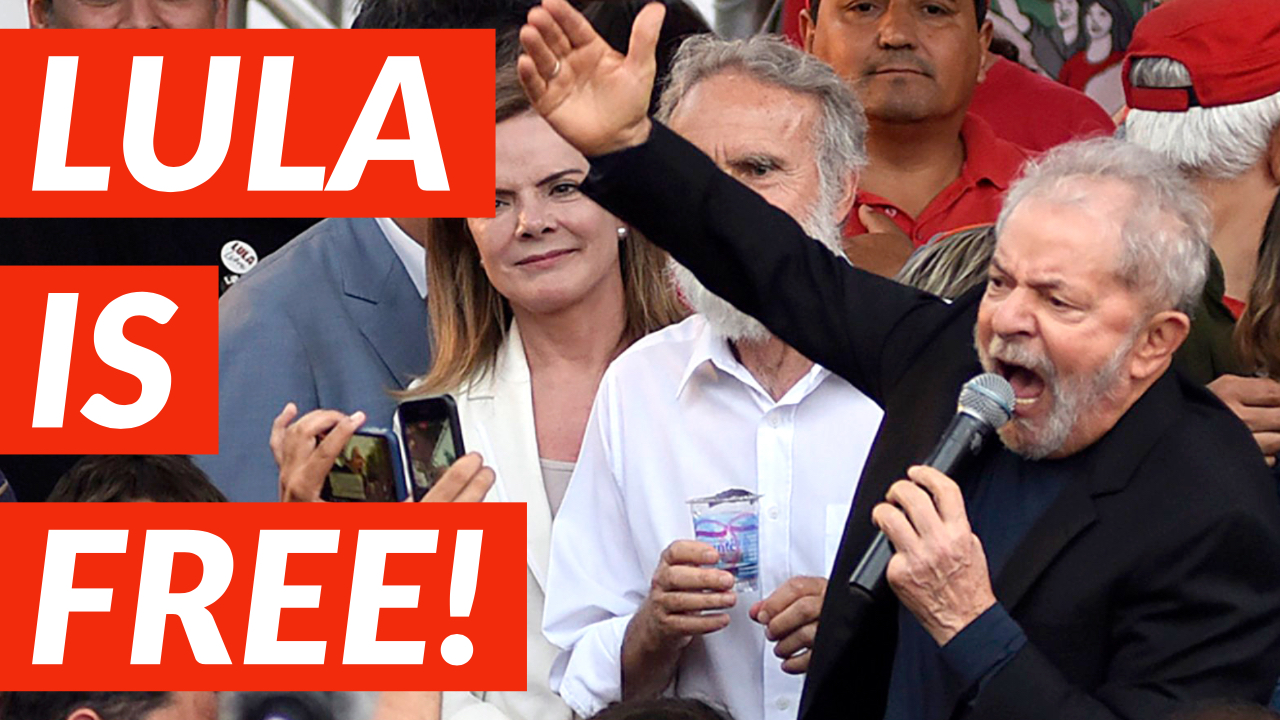
The political map of Brazil is cut cleanly down the middle, and it shapes every single conversation about the country's future. Incumbent left-wing president Luiz Inácio Lula da Silva finds his core strength anchored firmly in the country's poorer northeast regions, alongside strong backing from low-income workers, public sector unions, and social movements. On the other side, the right-wing opposition—rallied around conservative figures carrying the torch of the Bolsonarista movement—commands intense loyalty across the affluent south, agricultural powerhouses, and among rapidly growing evangelical communities.
Voter anger runs deep. Walk through the bustling streets of Brasília or São Paulo, and you'll hear the exhaustion in everyday conversations. People aren't just voting for a candidate; they're casting defensive ballots out of sheer fear of the alternative.
This isn't ordinary political friction. It's a fundamental culture war over values, institutional trust, and economic survival.
What the Polls Miss About the Ground Reality
Official polling numbers show a relentless, razor-thin margin between the leading candidates, routinely landing within the statistical margin of error. But numbers on a screen fail to capture the sheer volatility of the electorate's last-minute decisions.
Millions of voters find themselves caught in a difficult dilemma. They feel disillusioned by economic pressures, inflation, and public security concerns, yet they recoil at the fiery rhetoric dominating the campaign trail.
- Economic anxiety: Everyday citizens are wrestling with cost-of-living spikes that overshadow broad macroeconomic data.
- Institutional fatigue: Constant clashes between the executive branch, Congress, and the judiciary have left voters wondering if the system can actually deliver practical solutions.
- Safety and security: Crime rates and urban safety remain massive pain points that neither side has completely managed to resolve to the public's satisfaction.
When trust in public institutions drops this low, campaigns stop being about policy white papers. They turn into referendum battles over identity, past grievances, and future fears.
Where Brazil Goes From Here
No matter who comes out ahead, the winner inherits a country that desperately needs unity but has institutional architecture built for endless confrontation. Governing a nation of more than 200 million people requires building coalitions, passing tough fiscal reforms, and repairing fractured civic trust.
Ignoring half the country won't fix the underlying cracks. If the next administration hopes to steer Brazil toward stable growth, leaders will have to look beyond partisan vengeance and address the bread-and-butter issues keeping everyday citizens awake at night. Keep a close eye on voter turnout and regional shifts as the final tallies roll in, because Brazil's next chapter will set the economic and political tone for the entire South American continent.