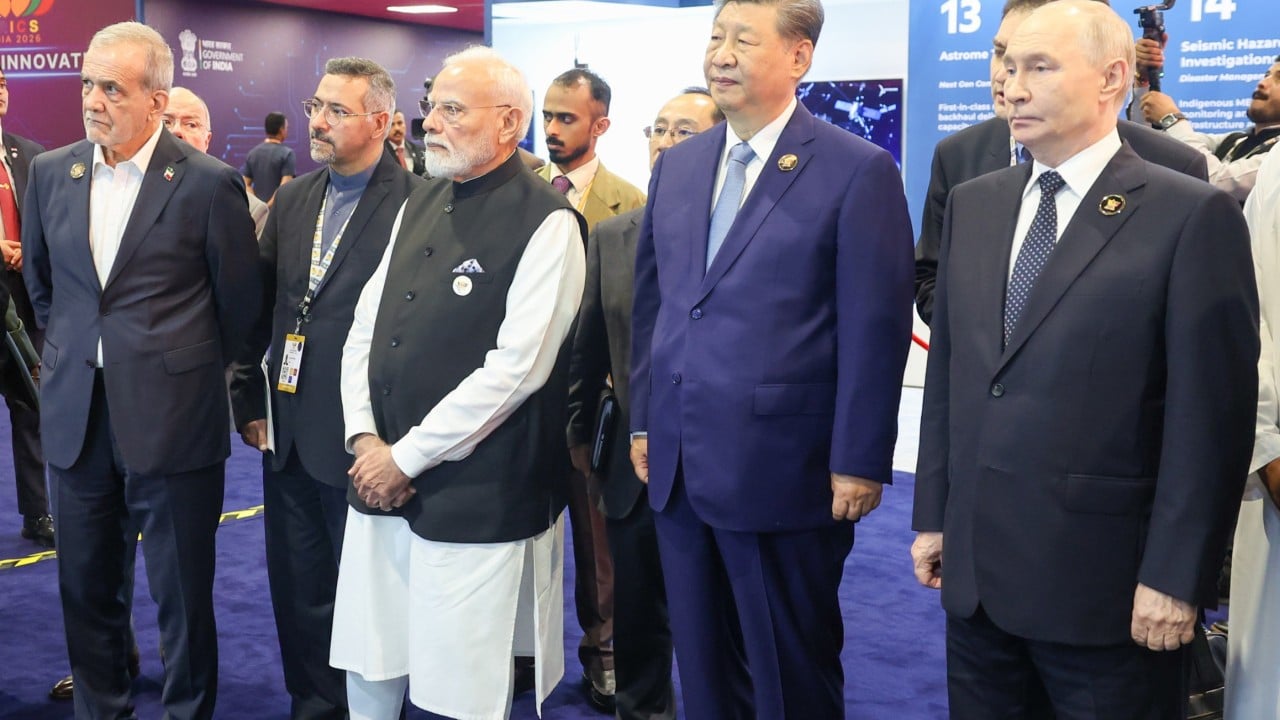
Forget the sensational headlines shouting about an imminent global currency overthrow. When leaders from eleven nations wrapped up their summit in New Delhi, the reality on the ground looked far more strategic and a lot less cinematic.
If you watch cable news, you might think a brand-new rival currency is about to replace the greenback overnight. That isn't happening. Instead, the bloc spanning four continents and nearly half the world's population is playing a much smarter, longer game. They aren't trying to destroy the US dollar system. They are building insurance against it.
The New Delhi Declaration and the Reality of Financial Insurance
When the New Delhi Declaration was signed, global pundits rushed to frame it as a direct line in the sand against Washington. Look closer at the mechanics, and you'll see a blueprint for risk mitigation.
Washington has spent years weaponizing financial access, using SWIFT exclusions and primary sanctions to isolate political adversaries like Russia and Iran. If you run a major emerging economy, watching those penalties play out makes you uneasy. You realize your sovereign reserves could be vulnerable if your foreign policy ever clashes with Capitol Hill.
That vulnerability is precisely why BRICS is pushing for local-currency settlements. Trade between member states doesn't need to stop, but it doesn't need to touch US-controlled plumbing either.
De-Dollarization Is Really About Weaponization Mitigation
Financial analysts often mix up de-dollarization with risk reduction. They are not the same thing.
Most international trade invoices will still use dollars because global commodity markets require deep liquidity. But the actual payment routing is shifting. By setting up alternative messaging channels and local-currency frameworks, member nations can transact without relying on the back-office market infrastructure overseen by the US Treasury.
Think of it like keeping a spare generator in your garage. You aren't cutting off the city power grid, but you want the lights to stay on if the main utility line goes down.
Pushing for Space Inside Old Institutions
The bloc isn't just building alternative machinery from scratch; it's aggressively demanding seats at the old tables. Leaders before the summit called for structural overhauls at the International Monetary Fund and the World Bank, demanding quota shifts that accurately reflect modern economic weight rather than post-World War II power dynamics.
When heavyweights like United Nations Secretary-General António Guterres and World Trade Organization Director-General Ngozi Okonjo-Iweala sit down at a summit hosted by the Global South, the message is clear. The institutions built by Western powers must adapt or watch nations build parallel systems that bypass them entirely.
The Long Road Ahead for Alternative Payment Rails
Building a truly seamless, multi-nation payment ecosystem is brutally difficult. Member economies are structurally mismatched. You have major commodity exporters alongside massive manufacturing hubs and countries currently under heavy Western sanctions.
While a unified single currency remains a distant, impractical pipe dream due to political realities and lack of fiscal union, local payment rails are advancing step by step. Central bank digital currencies and blockchain-backed cross-border platforms are slowly maturing behind the scenes. Someday soon, tourists or merchants might clear cross-border retail bills using direct phone-based settlements that completely bypass American credit card networks and traditional conversion fees.
The shift is slow, uneven, and pragmatic. Washington would be wise to pay attention to the plumbing being laid today, because financial dominance relies entirely on the world choosing to use your pipes.