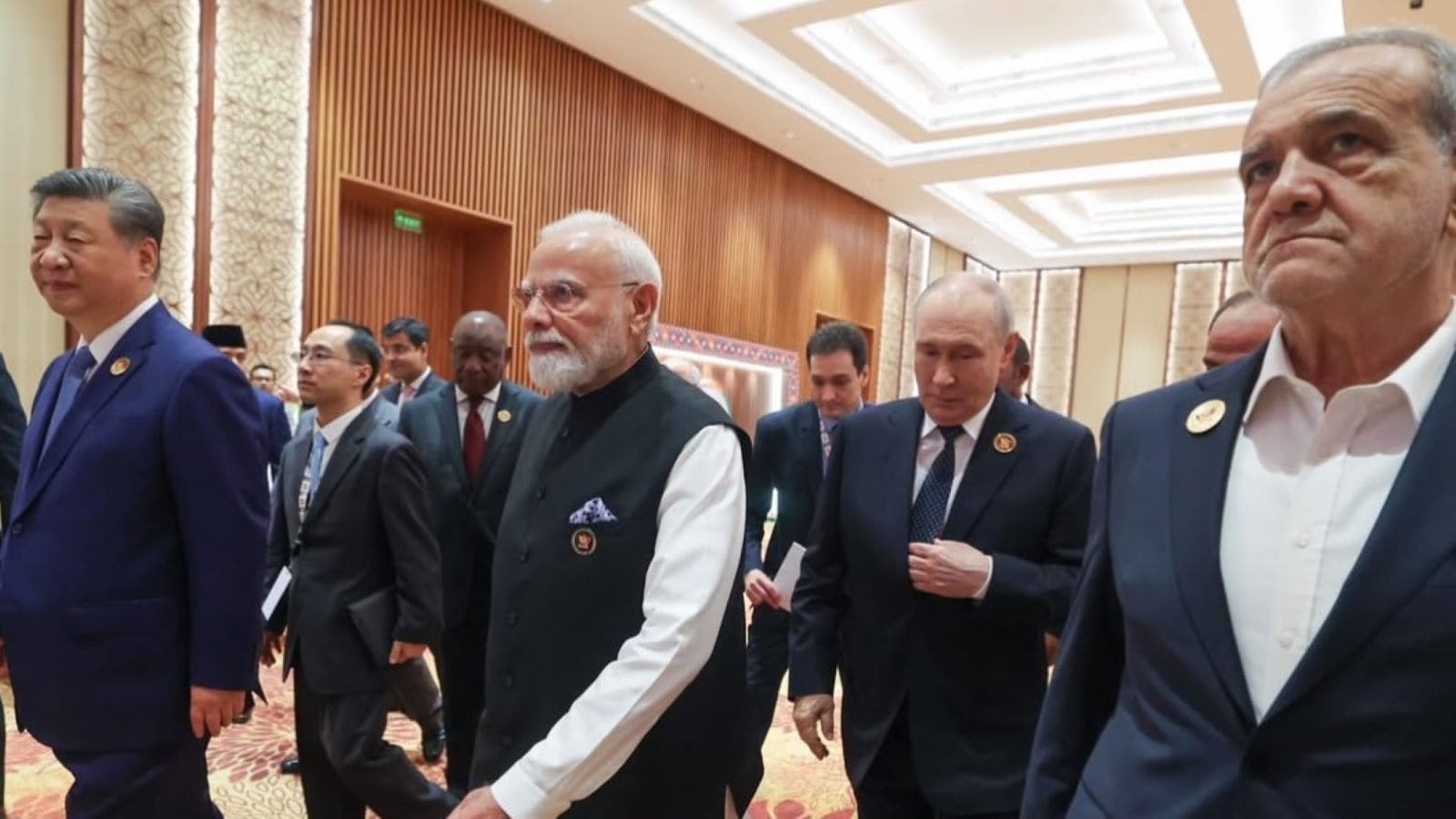
Half the world's population just packed into a single room in New Delhi, and Washington better start paying attention. The 18th BRICS summit isn't just another diplomatic talk shop filled with polite handshakes and forgettable photo ops. It is a calculated push by emerging economies to rewrite the rules of global finance, and the primary target is the almighty US dollar.
If you look past the official handshakes, the real story of this bloc is about raw geopolitical positioning. Member nations now account for roughly forty percent of global GDP and over a quarter of global trade. When leaders from major emerging markets gather to talk trade channels, payment systems, and institutional reform, they are actively building an escape hatch from Western economic dominance.
Ditching the Dollar and Redrawing Trade Lines
Let's talk about the financial mechanics. Right now, almost all global trade runs through the U.S. financial plumbing. That structure gives Washington the power to slap punishing sanctions on nations like Russia and Iran whenever foreign policy clashes.
Naturally, nobody likes having a sword hanging over their neck.
During the New Delhi meetings, leaders doubled down on creating alternative payment channels to bypass the dollar entirely. Iranian President Masoud Pezeshkian made headlines by pushing hard for an overhaul of international payment mechanisms. Critics love to claim these plans are just hot air because member states disagree on plenty of issues. True, the United Arab Emirates has historically clashed with Iran, and internal rivalries run deep. But pretending these ambitions will amount to nothing is a massive mistake.
The Mideast Tensions in the Room
You cannot understand this year's summit without looking at the severe regional conflicts bleeding into the conference hall. Leaders from nations currently locked in fierce regional standoffs sat mere feet apart. Iran's presence drew intense scrutiny, especially given ongoing maritime security flare-ups and strikes involving Gulf neighbors like Saudi Arabia and the UAE over alleged alignment with American interests.
At the same time, critical energy corridors remain fragile. Supply chains through strategic Middle Eastern chokepoints face constant disruption, putting energy security front and center. The New Delhi Declaration specifically called for keeping global energy flows open and protecting critical infrastructure, reflecting the deep anxiety of nations whose survival depends on unblocked shipping routes.
The China Factor and Western Complacency
Look at who is driving the institutional momentum. Beijing is aggressively steering the grouping into a legitimate geopolitical counterweight against Washington. Christopher Walker from the Center for European Policy Analysis points out that China sees this bloc as a prime vehicle to flex its muscles on the world stage. With Beijing scheduled to host the next summit, expect even louder demands for sovereign independence from American oversight.
Ignoring these shifts won't make them go away. The bloc is expanding, institutionalizing, and formalizing agendas on everything from artificial intelligence governance to IMF quota reforms that favor developing nations over traditional Western powerhouses.
Watch how these alternative payment mechanisms develop over the next year. Keep an eye on bilateral energy deals bypassing traditional Western intermediaries. The architecture of global power is shifting right in front of us, and yesterday's playbook won't save anyone tomorrow.