For about four hundred years, the streams and valleys of western England ran without their most famous natural builder. Beavers vanished from the region, hunted down for fur and meat, leaving local ecosystems to fend for themselves. Now, conservationists want them back. The Gloucestershire Wildlife Trust and Forestry England are actively surveying sites across the county to assess where a new beaver reintroduction program could work. It is not just about bringing a furry mammal back for nostalgia's sake. It is a calculated move to fight modern climate threats, specifically shrinking water supplies and worsening droughts.
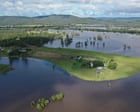
When you look at how beavers alter an environment, it becomes obvious why experts call them ecosystem engineers. They do not just live in a habitat; they reshape it completely. By felling trees and building complex dams across small streams, they slow down fast-moving water and spread it out across the floodplain. This creates deep ponds and marshy wetlands that hold onto water long after the spring rains stop. In a climate where summer dry spells hit harder every year, these natural reservoirs act as insurance policies for the surrounding land, keeping water tables higher and buffering the landscape against severe drought conditions.
The success of these projects is not theoretical. Beavers have already been living at Greathough Brook in the Forest of Dean since 2018, and local surveys show a massive jump in biodiversity. Kate Wollen from Forestry England points out that the habitat changes brought back creatures like stoats, weasels, and even pine martens. By supporting the bottom of the food chain with thriving aquatic insect populations, the beavers accidentally engineered a whole working network of species that had long struggled in the area.
Of course, letting wild animals loose to reshape public and private land requires serious planning. A brand-new reintroduction effort in areas like the Severn Vale needs official government approval, meaning a strict licensing process through the Department for Environment, Food and Rural Affairs (Defra). Defra supports nature recovery initiatives, but local trust teams must also navigate extensive consultations with landowners, farmers, and local communities who manage the land day to day. Mega Adamou from the Gloucestershire Wildlife Trust notes that working closely with local stakeholders is the only way these projects survive past the drawing board.
You cannot simply drop a pair of semi-aquatic mammals into a stream and walk away. Landowners worry about localized flooding of agricultural fields or blocked drainage ditches. Trust organizers spend months talking through management strategies, installing flow devices where needed, and monitoring water levels. It is a slow, methodical process of balancing wildlife goals with human livelihoods.
Yet the urgency remains high. As dry summers become a regular fixture of the British climate, traditional drainage systems are failing to hold water where it is needed most. Letting nature do the heavy lifting through natural flood management and drought-resistant wetland creation makes economic and ecological sense. If current surveys pan out and the licenses clear, Gloucestershire could soon see a new wave of wetland habitats taking root, proving that sometimes the best technology for fighting climate change is a rodent with a blueprint.
Check local wildlife trust updates if you want to track upcoming consultations or learn how communities near the Severn Vale are preparing for the potential arrival of England's returning engineers.