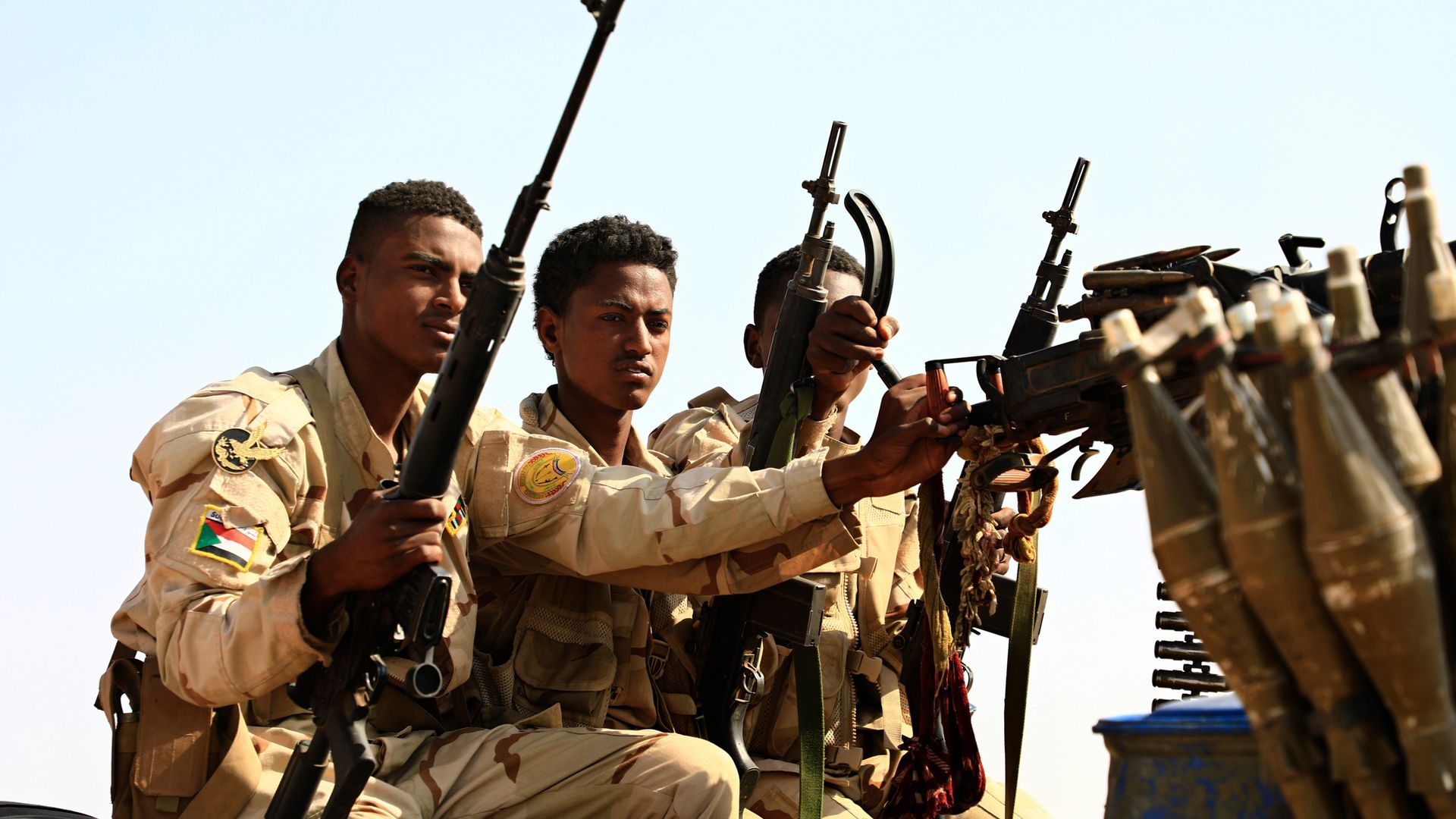
The brutal war in Sudan isn't just a local tragedy. It's a geopolitical pressure cooker that is exposing deep foreign entanglements. For months, international investigators and human rights monitors have pointed fingers at the United Arab Emirates for allegedly funneling arms to the Rapid Support Forces, a paramilitary group accused of widespread atrocities in Darfur. But Abu Dhabi isn't the only government under the microscope. Britain's quiet diplomatic maneuvering and historic ties have dragged London right into the center of the storm.
The Real Cost of Looking Away
When a conflict displaces millions and leaves cities starving, accountability usually follows. Yet, what we've seen instead is a troubling game of diplomatic gymnastics. Reports surfaced accusing British officials of trying to suppress international criticism of the UAE. Why? Because protecting lucrative economic and strategic partnerships with a wealthy Gulf ally often trumps human rights.
Sudan's civil war features horrific violence, particularly around areas like El Fasher, where ethnic minorities have faced systematic slaughter. When investigators bring phone data and supply-line evidence linking foreign actors to these murderous militias, governments like the UK face a choice. They can stand up for international law, or they can protect trade deals. Too often, they choose the ledger over lives.
Media Fallout and Corporate Retreats
The fallout hasn't stayed confined to backroom diplomatic meetings. It spilled directly into the corporate media landscape. Major networks have felt the shockwaves of this crisis. The UK's Sky News Group ultimately moved to untangle itself from a long-standing joint venture with International Media Investments based in Abu Dhabi.
This corporate divorce didn't happen in a vacuum. It followed furious backlash over coverage from Sky News Arabia, which critics accused of whitewashing the violent realities on the ground in Sudan. When a broadcaster downplays satellite imagery of mass graves and broadcasts segments claiming normalcy where human catastrophe reigns, the parent company has to answer for it. This media fracture proves that foreign policy choices have immediate commercial and reputational consequences.
What Happens Next
Ignoring complicity doesn't make it disappear. As long as foreign patrons keep feeding the war machine in Khartoum and Darfur, diplomatic pressure on London and Abu Dhabi will only mount. Independent watchdogs aren't backing down, and parliamentary committees are demanding real answers about who knew what and when.
If you want to understand modern foreign policy, look past the public press releases. Follow the supply chains, examine the corporate boardrooms, and watch which nations suddenly go silent when human rights abuses are brought to the floor of the United Nations. Transparency is the only antidote to this quiet complicity, and the spotlight isn't leaving anytime soon.