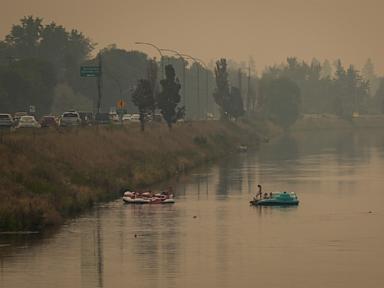
Smoke chokes the Okanagan Valley right now as a single aggressive fire moves faster than anyone can run. Twenty thousand people are currently out of their homes. If you want to understand why British Columbia's wildfire crisis just hit a dangerous new gear, you have to look past the basic headlines and examine how quickly the Bald Range wildfire exploded into a catastrophe.
The Fire That Outpaced Everyone
Summerland isn't supposed to burn like this. When the fire ignited late Friday evening, it jumped into municipal limits within hours. Local officials called the evacuation pandemonium. Cars jammed highways heading south because the northern routes were cut off immediately.
The numbers tell a brutal story. The Bald Range blaze grew to roughly 156 square kilometres by Monday. Dry conditions acted like a literal fuse. BC Minister of Forests Ravi Parmer stated bluntly that even a thousand more helicopters couldn't stop its initial fury. When a fire is driven by bone-dry fuel instead of standard wind patterns, standard air tactics fail.
Where the Canadian Military Stands
Ottawa has the Canadian Armed Forces on standby. Defence Minister David McGuinty confirmed that while British Columbia hasn't issued a formal deployment request for boots on the ground yet, communications remain constant. Federal help for shelter and accommodation is already approved.
Troops aren't magic, though. They don't magically put out crown fires. They assist with logistics, transport, and community support. When local resources max out, federal backup keeps the evacuation centers running.
The Human Cost Behind the Maps
Statistics miss the reality of small communities turned to ash. Faulder, a tiny hamlet near Summerland with roughly 215 residents, was largely incinerated. Residents like Kyla Gaudiuso found out their homes were gone via snapshots sent by neighbours or captured in smoke-filled aerial views.
Tragically, the human toll is rising too. The Royal Canadian Mounted Police confirmed an 80-year-old woman died trying to escape her home in Meadow Valley. Prime Minister Mark Carney called the loss heartbreaking.
What Comes Next for Evacuees
Right now, about 10,000 homes sit under active evacuation orders. Another 3,200 properties remain on alert. You can't just go back home when the smoke clears. Downed power lines, unstable structures, and lingering flare-ups make returning dangerous.
If you are tracking this crisis or trying to help evacuees, check official municipal channels rather than social media rumors. Keep emergency packs updated if you live anywhere near the interface zones. Watch local weather shifts closely because direct sunlight and clear skies often cause erratic flare-ups. Stay safe, stay informed, and respect the evacuation orders immediately.


