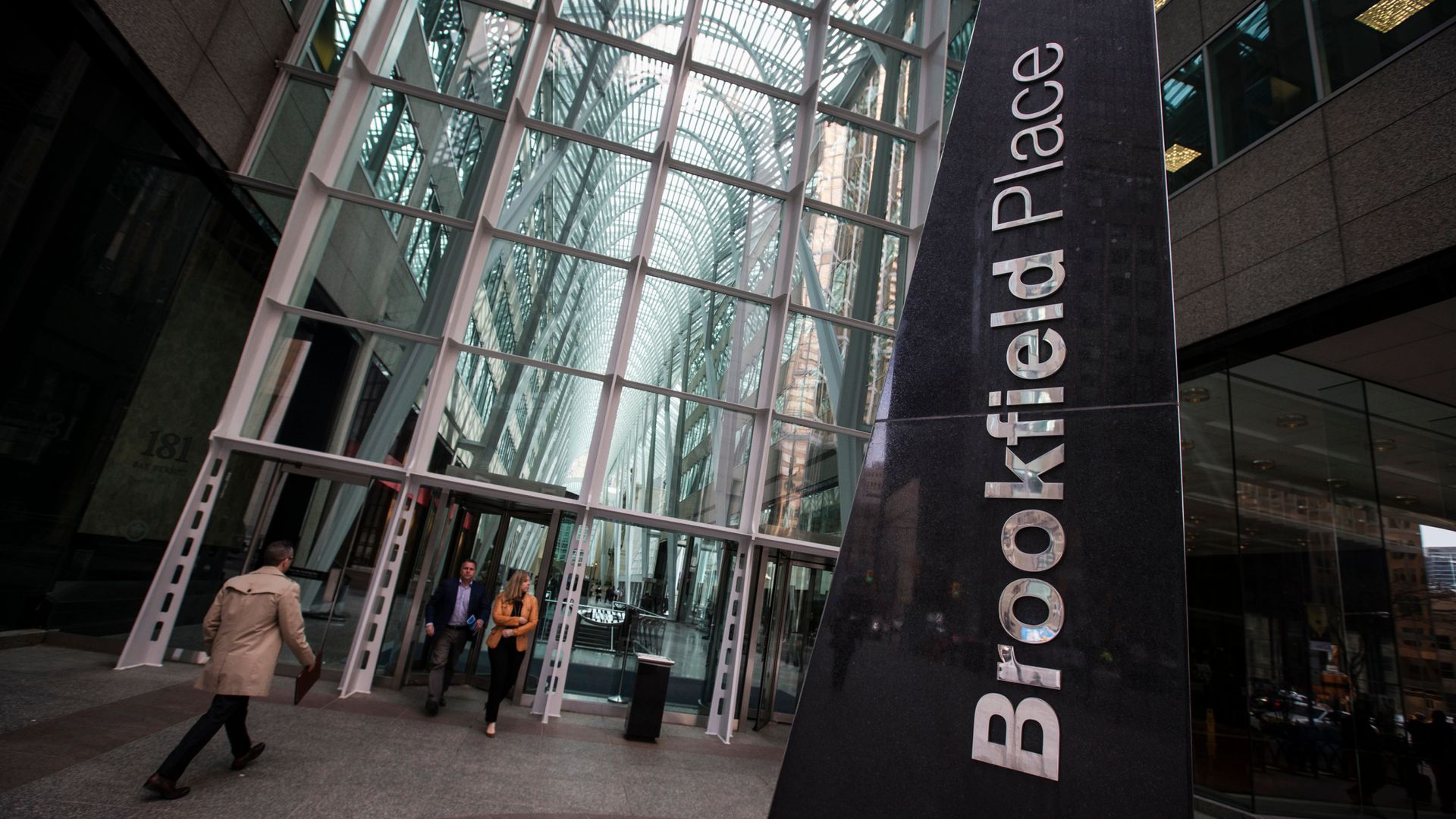
Big asset managers don't usually throw around billions of dollars for software without a serious plan. Brookfield is currently locked in exclusive talks to buy Actimize from NICE for roughly two billion dollars. If you watch the financial infrastructure market, this move shouldn't shock you at all. Brookfield's private equity arm has quietly spent the last few years building a massive portfolio of financial plumbing assets, including taking a stake in Barclays merchant acquiring business.
Buying a financial crime specialist changes the game. But what is driving this deal, and why does Actimize command such a massive price tag? Let's look at the numbers and the strategy behind the headlines. If you liked this article, you should look at: this related article.
The Valuation and Why NICE Wants Out
NICE originally bought Actimize way back in 2007 for a modest $280 million. Seventeen years later, the division has ballooned in value, drawing a price tag between $1.5 billion and $2 billion during a competitive sale process that attracted private equity firms like Advent International and New Mountain Capital.
Why sell a cash-cow business? Corporate strategy shifts are usually the culprit. NICE has spent recent quarters doubling down on cloud growth, artificial intelligence customer experience platforms like CXone, and conversational AI tools like its acquisition of Cognigy. In short, NICE wants to streamline. For another perspective on this story, check out the recent update from MarketWatch.
Actimize brought in solid revenues, hitting $453.5 million in 2024 alongside $158.3 million in operating profit. That kind of cash flow is hard to ignore, but for NICE, divesting the division frees up capital to chase high-growth cloud segments while smoothing out corporate balance sheets following broader market shifts.
What Actimize Actually Does
Financial institutions face relentless pressure from regulators. Banks cannot afford to look sloppy when it comes to anti-money laundering regulations, fraud detection, and trade surveillance. Missing a single suspicious transaction can trigger catastrophic regulatory fines.
Actimize builds the software that stops this from happening. It deploys AI-powered tools across global banks to catch dirty money and flag synthetic fraud attempts before they hit ledgers. Because compliance budgets inside major global banks are basically non-negotiable—banks must spend money on security whether the economy is booming or crashing—Actimize offers predictable, recurring institutional revenue.
That predictability is catnip to infrastructure investors like Brookfield.
Where Brookfield Fits In
Private equity firms love assets that act like toll roads. If you own the technology infrastructure that financial institutions rely on every single day to stay legal, you hold a lot of power.
Brookfield manages massive amounts of capital through its financial infrastructure strategy. By bringing Actimize under its umbrella, the Canadian investment giant secures a sticky enterprise software provider with deep hooks into the world's largest banks.
Yet, any massive tech acquisition comes with friction. Integrating advanced AI compliance tools while retaining long-standing enterprise banking clients requires careful execution. Software divisions spun out from parent conglomerates often face cultural adjustments as they adapt to new ownership priorities.
What Happens Next
The deal isn't finalized yet. Sources close to the discussions warn that talks are exclusive, but negotiations can still stall or fall apart before ink hits paper.
If the transaction goes through, watch for how Brookfield positions its financial infrastructure portfolio. Expect more aggressive bundling of payment processing, compliance, and merchant services. Banks want fewer vendors, not more. By assembling a comprehensive suite of financial utilities, Brookfield is building a fortress in corporate infrastructure.
Keep an eye on regulatory approval timelines and whether rival bidders try to mount a counter-offer before the final agreement is locked down.