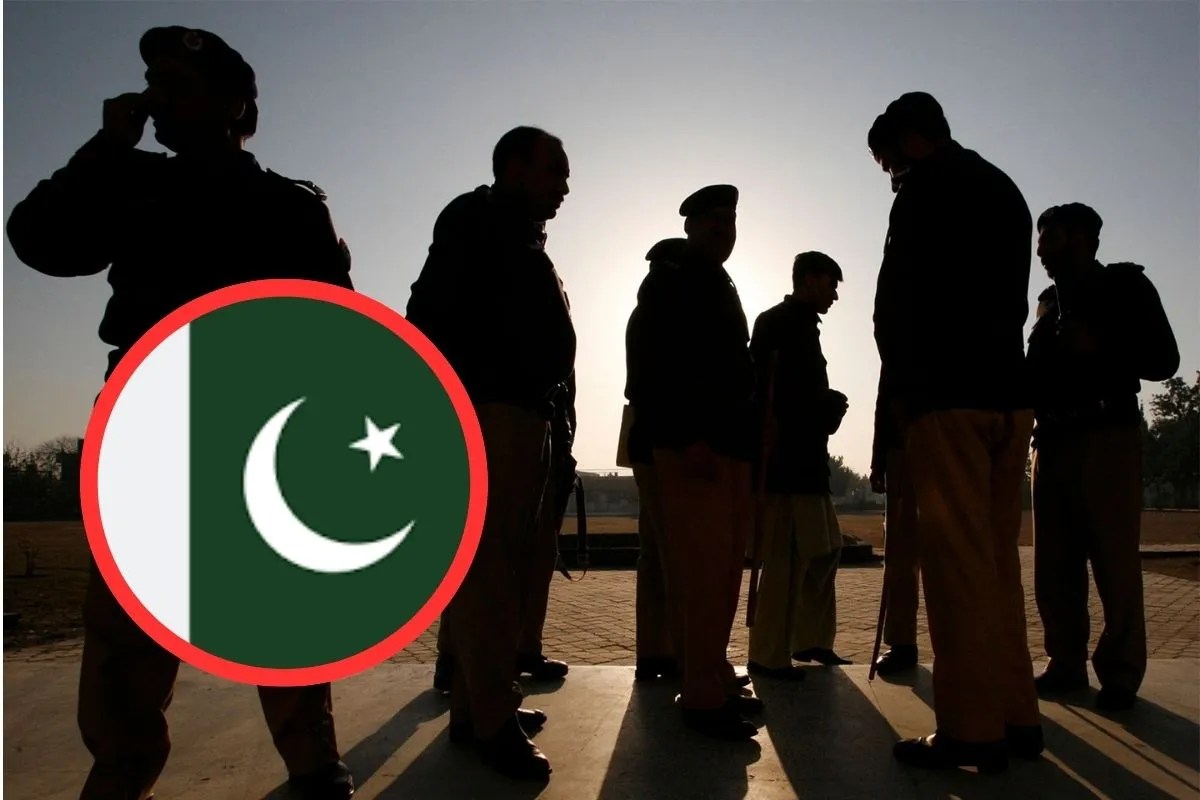
Education in Pakistan's largest province has turned into a high-risk gamble. When Master Parvez Ahmed, an Arabic teacher at Government High School Babershor, was dragged away from the Pasni bazaar in front of his grieving family, nobody expected the worst to happen so fast. Just a day later, his bullet-riddled body was discovered. This isn't an isolated tragedy. It's part of a relentless, horrifying pattern targeting intellectuals, academics, and educators across Balochistan.
If you look closely at what's happening on the ground, the crisis goes far beyond simple political unrest. It's a systematic targeting of minds. Let's break down why this violence persists and what it means for the future of education in the region.
The Anatomy of an Unsolved Crisis
When security forces or unidentified armed groups snatch an individual in broad daylight, accountability vanishes. Local reports from The Balochistan Post and regional media outlets confirmed that Parvez Ahmed was taken from the market right in front of his family. They had nowhere to turn and no answers to find—until his body turned up with bullet wounds in Pasni.
This creates an atmosphere of sheer terror. When teachers aren't safe walking down a bazaar street, classrooms empty out. Parents panic. Children stay home.
Consider the broader picture. This isn't just about one teacher from Turbat's Pidark area. Intellectuals, language researchers, and professors have faced similar fates over recent months. Think about Professor Ghamkhwar Hayat, a prominent Brahui-language writer shot dead in Nushki, or researcher Balach Khalid killed in Turbat. Every single targeted killing chips away at the intellectual foundation of the region.
Why Educators Are Caught in the Crossfire
You might wonder why teachers and academics bear such a heavy burden of violence. In conflict zones, education is battleground terrain.
- The Fear of Critical Thinking: Educators shape minds. Authoritarian or militant elements often view independent thinkers and educators as threats to their control.
- Infrastructure Attacks: It's not just targeted assassinations. Schools face direct bomb attacks, like the recent assault on the Government Boys Primary School in the Sanni area of Kachhi district.
- The Silence of Accountability: Investigations rarely yield transparent results, leaving grieving families with zero recourse.
When you look at human rights reports spanning back over a decade—such as documented killings by organizations like Human Rights Watch tracking dozens of education personnel—you realize this systemic rot has deep roots. No community can thrive when its teachers live in constant fear of being abducted.
What Needs to Change Immediately
Ignoring the plight of Balochistan's teachers won't make the crisis go away. Real protection requires transparent investigations, independent oversight of security operations, and a firm commitment from state authorities to safeguard civilian lives. Until teachers can walk into a classroom without fearing a knock on the door or an abduction in the market, the educational future of an entire generation remains hanging by a thread.
Demand accountability, track these stories, and refuse to let the silencing of educators become normalized.