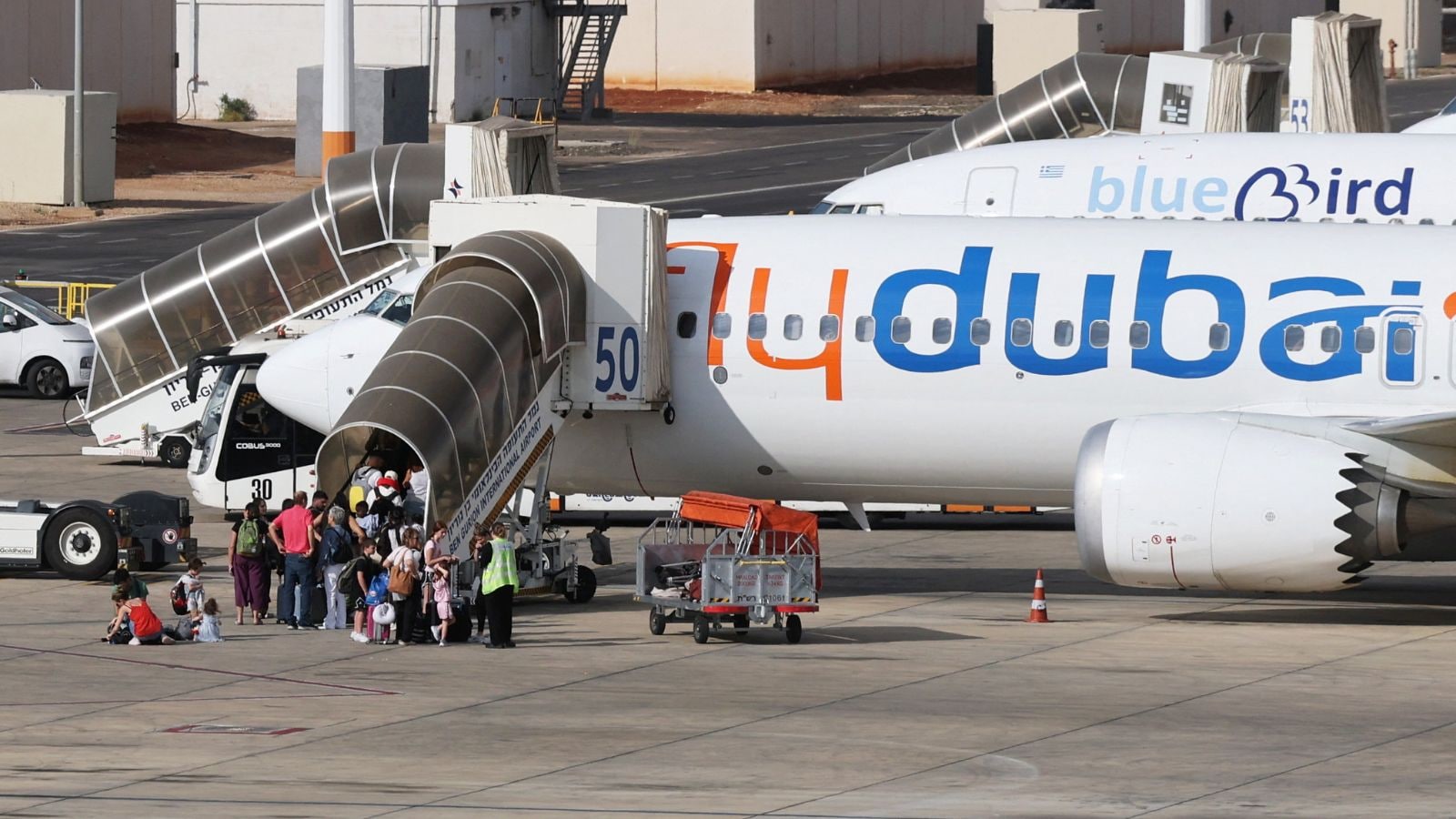
A commercial airliner drops 14,000 feet in under thirty seconds. A captain fights for his life against an axe-wielding co-pilot. Passengers rush the flight deck to prevent a catastrophic crash. The near-disaster aboard a flydubai flight from Dubai to Tel Aviv wasn't just a sudden act of random violence. It was the predictable outcome of years of buck-passing between Israeli intelligence agencies and the Ministry of Transportation.
With general elections looming, Prime Minister Benjamin Netanyahu is caught in the middle of a vicious political firestorm. Opposition figures are demanding the immediate resignation of Transport Minister Miri Regev. Why? Because leaked internal documents prove that top security bodies flagged severe vulnerabilities in foreign flight oversight for years, only to watch politicians shrug and sweep the warnings under the rug.
The Paper Trail of Ignored Warnings
Bureaucracies love nothing more than shifting responsibility until an actual disaster forces accountability. In 2021, the Israeli security cabinet stripped the Shin Bet of its mandate to screen foreign commercial flights. Instead, the responsibility got dumped onto the Civil Aviation Authority inside the Ministry of Transportation.
There was just one glaring problem. The ministry lacked the budget, the manpower, and the specialized intelligence capabilities required to conduct rigorous background checks on foreign flight crews.
Classified state reports from 2024 laid bare the institutional failure. The transport ministry wasn't meeting basic security obligations. Even the ministry's own security chief, Avri Cohen, openly warned leadership that his department couldn't handle the massive undertaking. Yet, Miri Regev accepted the transfer of power anyway.
When a 29-year-old Omani co-pilot named Hamam al-Hammami managed to board a Tel Aviv-bound Boeing 737 and attack Captain Smit Machchhar with an axe, the chickens finally came home to roost.
The Diplomatic Blind Spot
Let's talk about the rule that was quietly ignored. Oman has no formal diplomatic relations with Israel and did not sign the Abraham Accords. Official Israeli policy explicitly bars pilots from unfriendly or non-recognizing states from operating flights into Israeli airspace.
Yet, according to investigations by Channel 12, dozens of Omani pilots had flown commercial routes into Tel Aviv on flydubai in recent years.
How did this happen? Shin Bet reportedly assumed the airlines would self-police the restriction. Meanwhile, the transport ministry claimed background checks on foreign flight deck crews weren't their job.
"Those who are supposed to identify the crew are security officials. We are not security officials," Regev argued to public broadcaster Kan, washing her hands of the operational failure.
That defense doesn't hold water. When a government formally assigns oversight of international carriers to a specific civil body, that body assumes legal and moral responsibility for enforcing safety protocols. Passing the buck after a near-tragedy exposes a rot in how civil aviation security is managed under political pressure.
The Political Fallout
Opposition politicians aren't letting this go. Gadi Eisenkot didn't mince words, stating bluntly that in any functional government, the transport minister would have stepped down immediately. Former transport ministry director-general Keren Terner pointed out that the Civil Aviation Authority operates under the direct subordination of Regev's office.
Netanyahu now faces an impossible choice ahead of the upcoming polls. Protect a loyal political ally, or appease an angry public demanding heads roll for a security lapse that nearly turned Israel's skies into a repeat of historical nightmares.
Commercial aviation relies on redundancy, rigid protocol, and clear chains of command. When politicians turn security oversight into a bureaucratic football, catastrophe is only a matter of time. The flydubai cockpit attack exposed a system designed to avoid blame rather than prevent threats. Fix the oversight immediately, or wait for the next close call.