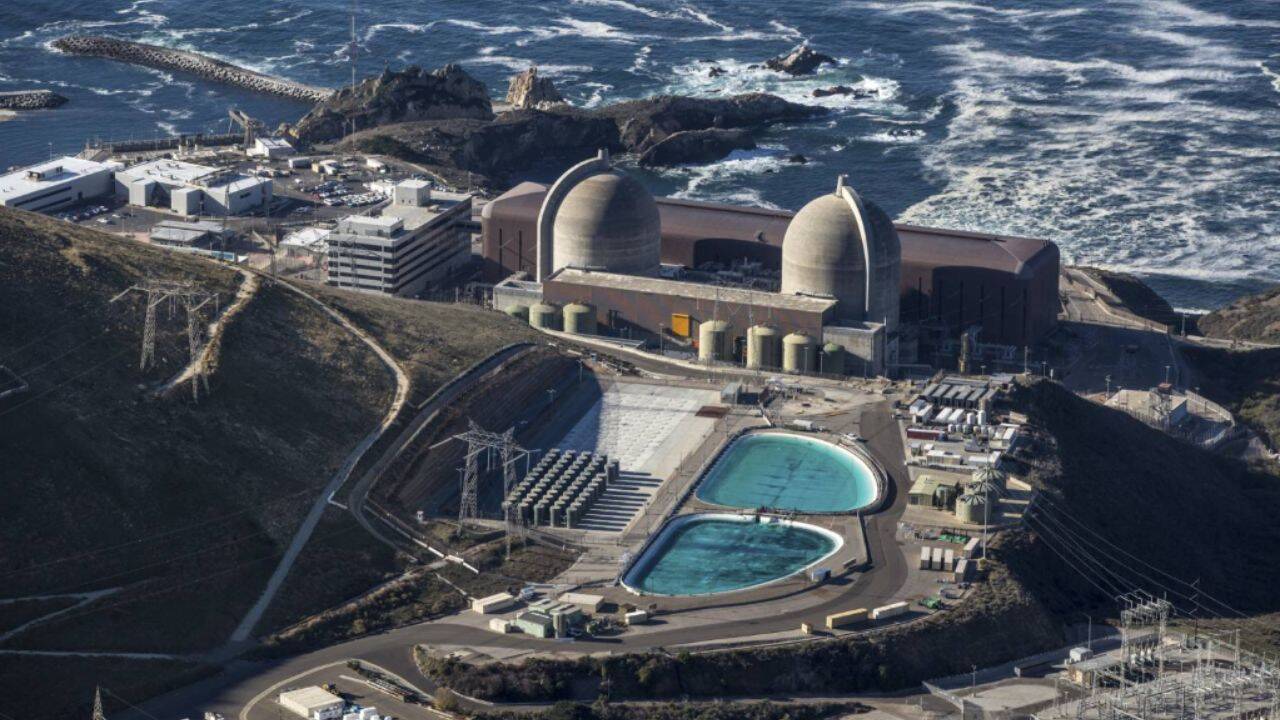
For over twenty-five years, a pristine 2,060-acre slice of the California coastline sat locked away behind private leases and security buffer zones. Overlooking Avila Beach in San Luis Obispo County, Wild Cherry Canyon served as a quiet, off-limits frontier next to the Diablo Canyon nuclear power plant. That status quo is finally shattering.
A monumental $42 million funding approval by the California State Coastal Conservancy is turning this gorgeous stretch of coastal hills, native grasslands, and oak woodlands into a public nature preserve. Instead of gated luxury housing developments or private estates, the public will soon get hiking trails, campsites, and permanently protected access to a landscape many thought they would never touch.
Breaking Down the 42 Million Dollar Deal
The mechanics of saving a piece of coastline this large are messy. The land itself is owned by Eureka Energy, a subsidiary of Pacific Gas and Electric Company, but it remained bogged down by a long-term private lease that left it vulnerable to residential subdivision proposals.
The agreement relies on a $42 million grant authorized by the State Coastal Conservancy, which allows the nonprofit land trust known as The Wildlands Conservancy to buy out the private lease and acquire the underlying fee title. The first transaction closes by the end of the year, with the final purchase expected by mid-2027.
Almost all of the funds go directly toward clearing out that legacy leasehold interest. Once the real estate logistics clear, the property transitions into the first stepping stone of an ambitious, eventual 20-mile coastal trail system across the broader Diablo Canyon lands.
What Visitors and Locals Can Expect Next
If you are hoping to pitch a tent tomorrow, pump the brakes. Turning an industrial buffer zone and private leasehold into safe, accessible public recreation takes time.
The Wildlands Conservancy estimates that full public opening will take up to five years. However, you won't have to wait half a decade just to see it. Guided public tours are expected to kick off as early as next year.
Once fully open, visitors can look forward to exploring a 5-to-6-mile trail network winding through oak-studded hillsides, chaparral, and headwater streams. You are looking at some of the most dramatic terrain on the Central Coast, complete with sweeping views of San Luis Obispo Bay.
Restoring Indigenous Stewardship
This isn't just about recreation or stopping luxury real estate. The deal carries profound cultural significance for the region's indigenous communities.
Mona Olivas Tucker, chair of the yak titʸu titʸu yak tiłhini Northern Chumash Tribe, noted that Wild Cherry Canyon is an ancestral homeland with deep spiritual roots. Tribal leaders will collaborate directly with conservation groups like The Wildlands Conservancy and The Land Conservancy of San Luis Obispo County to ensure cultural resources are properly protected and respected as public access expands.
A Hard-Fought Victory After Decades of Setbacks
Environmental advocates and local officials spent more than two decades pushing to save Wild Cherry Canyon. Senator John Laird, who helped secure state funding and pushed for conservation mandates around the nuclear complex, admitted there were plenty of moments when the deal looked dead in the water.
Disagreements over pricing, competing private development bids, and shifting political winds threatened to stall the project permanently. When the pieces finally fell into place, conservationists described it as a fourth-quarter comeback.
If you plan to visit the Central Coast once tours open, keep an eye on announcements from the State Coastal Conservancy or The Wildlands Conservancy for scheduling updates. Support local land trusts working to secure public access rights before private development closes the door forever.