When a court hands down a sentence of life without the possibility of parole, families of murder victims breathe a sigh of relief. They believe the nightmare is over. They think finality exists. But administrative policy shifts can shatter that peace overnight, dragging grieving relatives back into a cycle of anxiety.
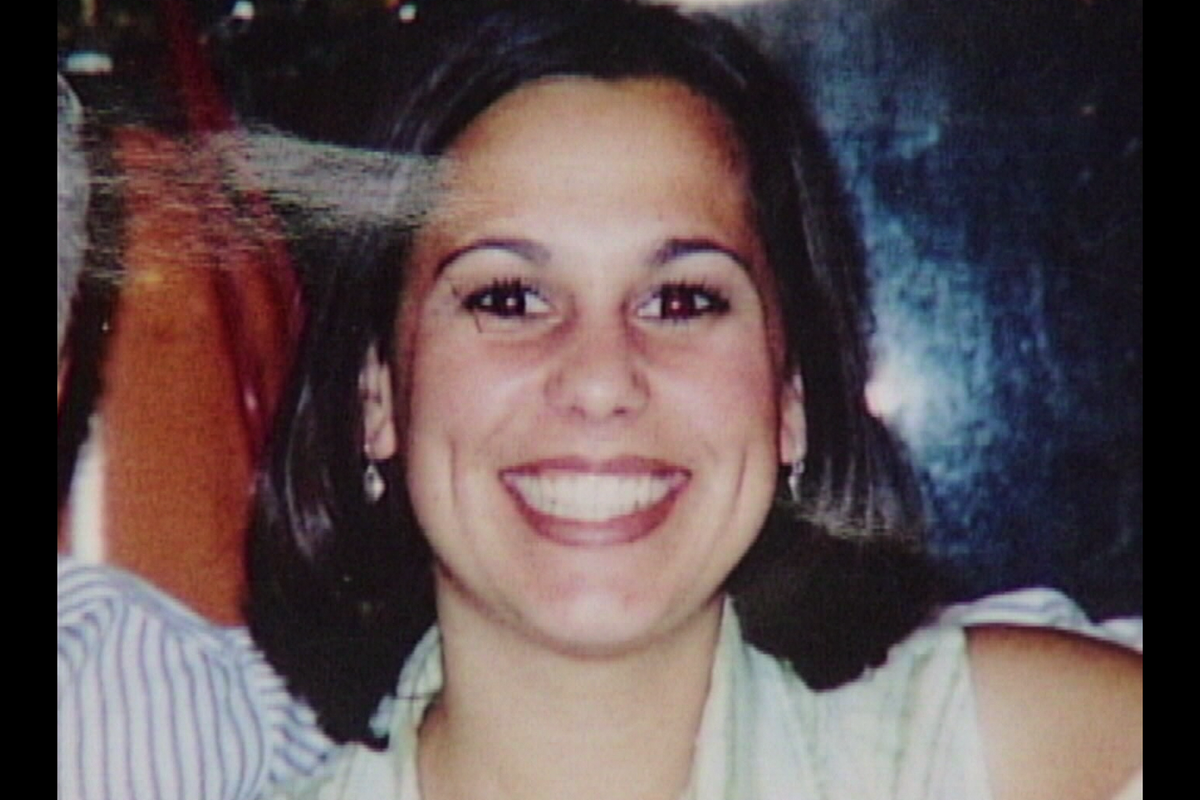
That exact fear is driving families across California to stand up against regulatory changes they argue could open prison doors for society's most dangerous offenders. Leading this charge is Sharon Rocha, the mother of Laci Peterson. Two decades after her pregnant daughter and unborn grandson were killed, Rocha finds herself fighting a new battle to protect the integrity of life sentences.
The Fight for Finality
The controversy centers around administrative rule proposals that critics say create backdoor release channels for inmates serving life without parole. Instead of relying on legislation voted on by elected representatives, new administrative frameworks risk shifting sentence reconsideration powers entirely to unelected officials inside the Board of Parole Hearings.
For families carrying the weight of horrific losses, this administrative creep feels like a betrayal. Sharon Rocha pointed out the cruelty of uncertainty in public statements organized by the Criminal Justice Legal Foundation. When courts promise that a killer will never walk free, victims' loved ones build their lives around that guarantee. Reopening those wounds forces families to relive their darkest days. Justice demands finality, not endless administrative reviews.
A Coalition of Impacted Families
Rocha isn't fighting alone. A broad coalition of victims' relatives and law enforcement advocates have joined forces to push back against these corrections policies.
Take Phyllis Loya, whose son Larry Lasater, a Marine veteran and Pittsburg police officer, was murdered while protecting his community. Loya notes that families of fallen peace officers should never live in fear that cop killers might suddenly receive a pathway to freedom. Similarly, Angie Chavez, the aunt of eight-year-old Sandra Cantu—who was kidnapped and murdered in 2009—emphasizes that her family deserves permanent closure, not a system that constantly reevaluates the punishment of unrepentant criminals.
Former corrections officials share these deep operational concerns. Ralph Diaz, who previously served as the Secretary of the California Department of Corrections and Rehabilitation, has criticized the regulatory maneuvers. Diaz argues that any process reexamining California's worst criminal sentences requires strict statutory authority, complete transparency, and an absolute commitment to public safety rather than quiet administrative adjustments.
Why This Matters Beyond High Profile Cases
Many watch these policy battles through the lens of notorious headlines, but the systemic impact reaches far wider. When administrative agencies alter the weight of a life sentence, thousands of cases feel the shockwaves.
Marsy's Law and established victims' rights provisions were designed to give families a firm voice and predictable outcomes. Bypassing legislative channels to tinker with parole eligibility undermines public trust in the penal system. If a sentence of life without parole can be quietly softened through regulatory adjustments, public confidence in judicial verdicts evaporates entirely.
Protecting Victims from Endless Bureaucratic Trauma
The core issue isn't just about prison populations or rehabilitation metrics. It's about accountability and the psychological well-being of survivors. Healing cannot begin if the state constantly moves the goalposts.
Families of murder victims shouldn't have to hire legal watchdogs just to ensure a convicted murderer stays behind bars. Public safety officials and lawmakers need to hear a clear message. True criminal justice reform cannot come at the expense of victim protection. Demand transparency from your local representatives, track state board proposals closely, and support organizations fighting to preserve sentence finality.


