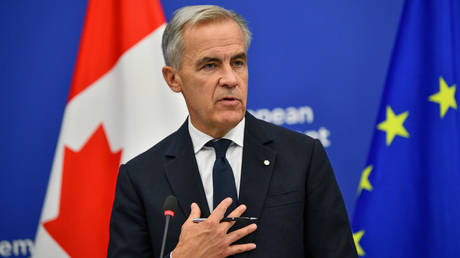
Governments plan for the worst things imaginable. It sounds paranoid until it becomes necessary. Canadian Prime Minister Mark Carney recently admitted that Ottawa quietly studied the extreme tail risk of a US military confrontation.
Think about that for a second. The longest undefended border in the world suddenly feels a lot less cozy.
Donald Trump might have explicitly dismissed using physical force to absorb Canada, opting instead for bruising economic pressure and steep tariffs. Even so, modern governance requires looking past public rhetoric. When economic policies shift toward outright coercion, military contingencies follow close behind.
Why did Ottawa take this step now? Trade relations between Washington and Ottawa deteriorated severely over dairy quotas, automobile manufacturing, and escalating tariff walls. Tariffs climbed higher throughout 2025 and 2026. The atmosphere turned sour quickly.
Carney called the military assessment standard risk management. He is right. It would be an act of gross negligence for any defense establishment to ignore worst-case outcomes, regardless of how friendly neighbors appear on paper.
Yet, acknowledging these plans signals a massive fracture in traditional continental security. For decades, Canadians assumed American protection was baked into geography. Now, leadership looks elsewhere.
Turning Toward Europe and the UK
Instead of relying solely on North American defense architecture, Canada is aggressively diversifying its security portfolio. Carney recently visited the European Parliament in Strasbourg to warn that economic integration is being weaponized.
When your primary trading partner uses supply chains and border duties as diplomatic weapons, you scramble for alternatives. Canada jumped into the European Union's massive defense procurement program, becoming the first non-European nation to join the multi-billion-euro initiative.
Ottawa also applied to join the UK-led Joint Expeditionary Force. These moves aren't symbolic gestures. They represent a fundamental hedging strategy against unpredictable shifts in Washington.
What This Means for Global Alliances
Traditional alliances are changing shape right before our eyes. The comfortable post-Cold War consensus where neighbors automatically trust each other's long-term intentions is breaking down.
When middle powers start game-planning extreme scenarios involving their closest allies, the global order enters uncharted waters. Economic nationalism drives wedges where diplomatic cooperation once lived.
Keep an eye on defense spending and procurement agreements over the next year. If middle powers keep building independent security networks outside traditional regional blocs, the old map of international relations is gone for good.