The internet loves a shiny surface. We scroll past endless reels of aviators posing in aviator sunglasses, basking in the glow of sunset cockpit windows, selling an aesthetic of effortless glamour. But when a flight turns into a fight for survival at thirty thousand feet, the glamour evaporates instantly.
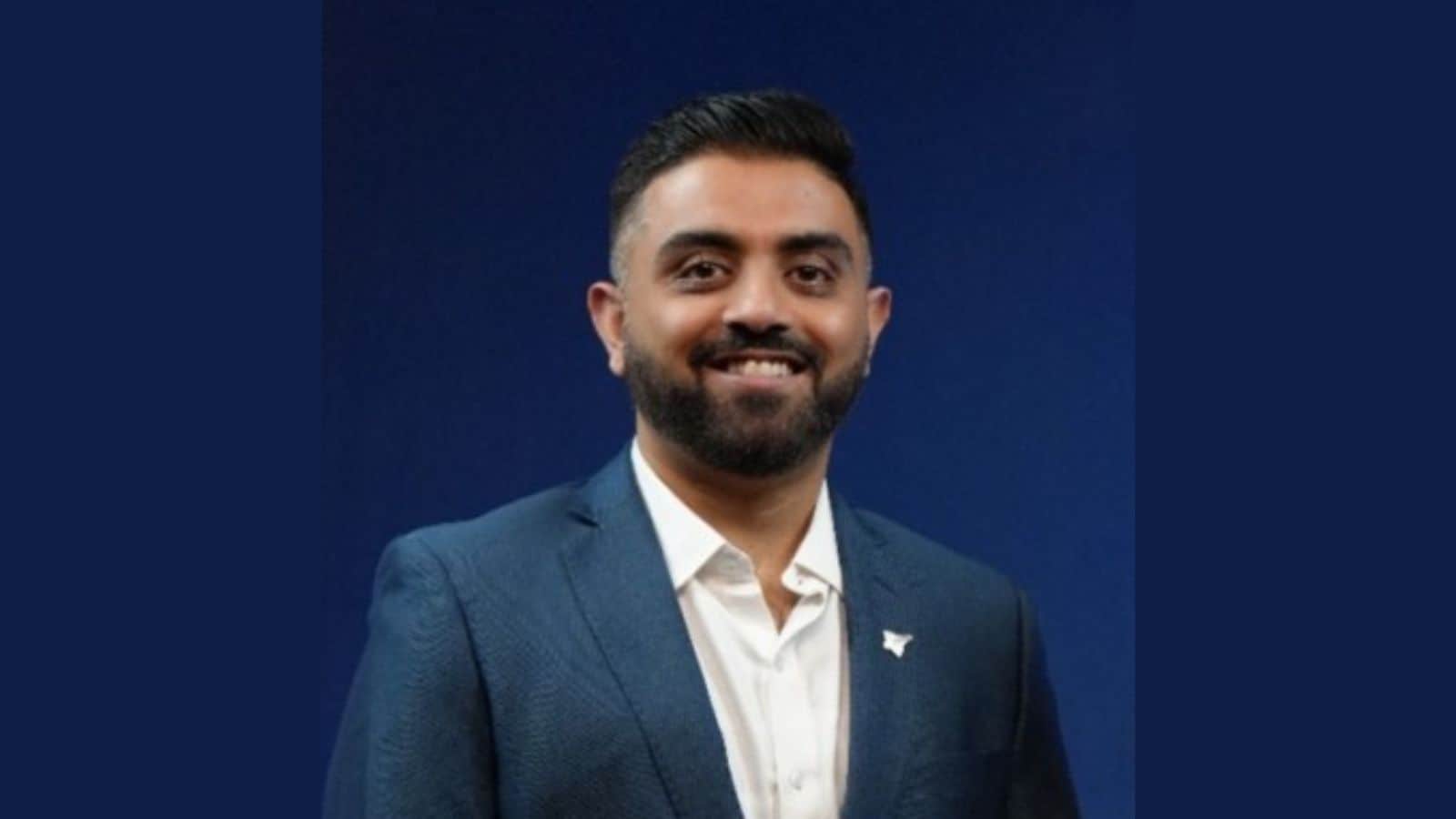
Captain Smit Machchhar knows this better than anyone now. Following his heroic intervention during the terrifying cockpit altercation aboard Flydubai Flight FZ1073 from Dubai to Tel Aviv, an old podcast featuring the Indian pilot has resurfaced online. While social media algorithms normally reward vanity and aesthetic perfection, Machchhar’s archived words strip away the noise and focus on what flying actually demands: discipline, absolute situational awareness, and deep respect for every single crew member keeping a metal tube from falling out of the sky.
The Reality Behind the Cockpit Door
Commercial aviation looks serene from passenger seats. You board, settle into your seat, and trust two anonymous figures behind a locked reinforced door to get you across continents. Most people never think about the friction, the stress, or the razor-thin margins separating safety from absolute disaster.
When Flight FZ1073 plunged roughly fourteen thousand feet after a sudden mid-air attack by the co-pilot, the illusion of autopilot routine vanished. Captain Machchhar was stabbed and seriously injured, yet he managed to unlock the cockpit door, allowing passengers, an off-duty crew member, and other personnel to step in, subdue the attacker, and stabilize the aircraft before it diverted safely to Tabuk, Saudi Arabia.
The internet quickly crowned him a hero, and rightfully so. Prime Minister Narendra Modi and Israeli Prime Minister Benjamin Netanyahu both praised his extraordinary bravery in saving 174 lives. But what makes his resurfaced podcast particularly striking isn't just his recent valor—it’s how his previous worldview predicted his response to crisis.
Looking Beyond the Uniform
In that viral podcast recorded long before the Flydubai incident, Machchhar talked candidly about the industry's obsession with imagery versus the gritty reality of operational safety. He spoke bluntly about how society treats cabin crew, noting that people often diminish their roles because the cockpit gets all the authority.
"Who's going to save you when something happens up there?" is the underlying ethos of his message.
Pilots fly the plane, sure. But aviation is never a solo act. Machchhar argued that when things go fundamentally wrong, a captain is only as good as the team surrounding them. Cabin crew aren't there just to serve coffee or hand out safety cards; they are trained safety professionals. When an emergency explodes inside a confined space, survival relies entirely on collective discipline and mutual respect.
That perspective explains why Machchhar didn't fold under pressure. Someone who views flying as an Instagram aesthetic panics when the system breaks. Someone who views flying as a serious, collective responsibility fights back, unlocks the door, and coordinates with everyone on board to bring the bird down safely.
What Most People Get Wrong About Aviation Risk
Incidents like the FZ1073 emergency shatter public complacency. Travelers assume modern commercial aviation is entirely automated, safe from human malice or sudden psychological fractures.
Yet, aviation history shows that the human element remains both our greatest defense and our most unpredictable variable. Modern flight decks feature stringent security protocols, reinforced doors, and rigorous psychological evaluations. Despite all those safeguards, extraordinary anomalies still happen.
When they do, procedures matter less than instinct, character, and training. Machchhar brought over thirteen years of commercial flying experience to that cockpit—including eleven years with SpiceJet before joining Flydubai—logging thousands of hours as a pilot-in-command. That accumulated muscle memory and calm under fire cannot be faked or filtered for social media.
The Shift in Public Conversation
As investigations continue into the motives behind the Omani co-pilot's attack, the public obsession with Machchhar's past commentary highlights a cultural shift. People are tired of empty branding. They want substance.
When pilots use their platforms to talk about crew solidarity, rigorous mental conditioning, and the heavy burden of command instead of chasing viral engagement, people listen. Machchhar’s resurfaced words serve as a reminder that the people flying our skies carry an immense weight long after the cameras turn off.
Next time you board a commercial flight, remember that the true safeguard isn't the autopilot or the pristine uniform. It's the quiet, unglamorous dedication of professionals who take their jobs seriously enough to fight for your life when everything falls apart.