When a fragile new administration takes office following a youth-led revolution, the last thing it needs is a multi-billion-dollar climate disaster. Yet that is precisely the reality facing Nepal.
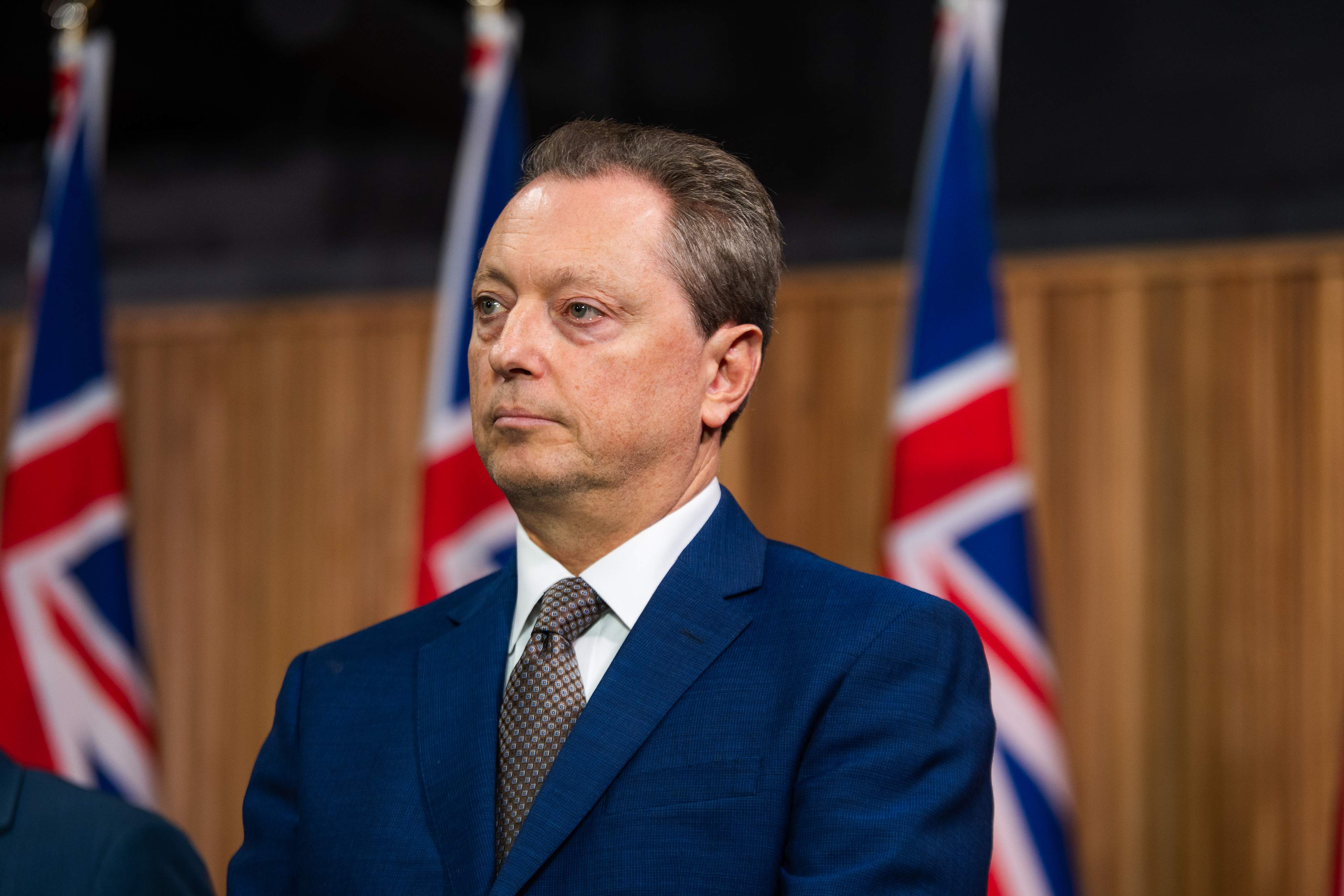
Months after fierce anti-corruption demonstrations toppled longtime Prime Minister K.P. Sharma Oli, the Himalayan nation has been struck by devastating floods and glacial collapses. Roughly 7,500 homes lie in ruins, another 20,000 need rebuilding, and key hydropower projects face severe damage. For Prime Minister Balendra Shah and his inexperienced cabinet, this is an unforgiving baptism by fire.
The Political Backstory
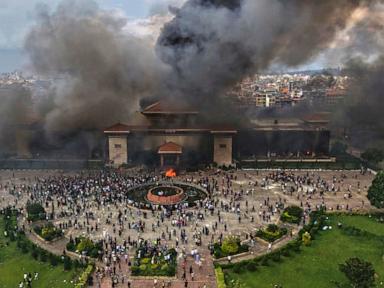
To understand why this crisis hits so hard, you have to look back at the chaos of late 2025. Protests erupted over economic strain and a short-lived social media ban. Those demonstrations quickly spiraled into violent clashes that left dozens dead and government buildings, including parliament, burned to the ground.
The unrest forced Oli out, paving the way for Shah—a former mayor and political outsider—to sweep into power in March. His mandate was clear: clean up systemic corruption and reform a stagnant government. But governing a mountainous country prone to extreme weather requires administrative machinery that takes years to build, not months.
The Scale of Destruction
The numbers coming out of disaster authorities are staggering. Preliminary estimates place the damage at roughly $2.56 billion, though total reconstruction costs could easily soar to $5 billion. To put that in perspective, this is nearly a fifth of Nepal's entire annual government budget of $14 billion.
At least 12 hydropower projects were severely damaged, disrupting a vital energy corridor that accounts for about 10 percent of the nation's electricity generation. Meanwhile, tourism—a crucial economic lifeline for remote mountain communities—faces crippling cancellations as trekking routes and roads remain blocked by debris and mudslides.
Why the Response is Struggling
Critics point out that Nepal's emergency response capacity remains dangerously limited. When flash floods and glacial avalanches hit, rescue teams faced blocked roads, filled tunnels, and shortages of specialized equipment.
Guna Raj Luitel, editor of Kathmandu-based The Diplomat Nepal magazine, put it bluntly: Nepal is one of the most disaster-prone countries on earth, yet it continually fails to learn from past tragedies. The new administration mobilized the army, police, and medical helicopters immediately, but managing a catastrophe of this scale requires infrastructure and early warning systems that simply haven't kept pace with a warming climate.
The Fight for Climate Justice
Nepal contributed very little to global carbon emissions, yet it bears the brunt of rapid glacial retreat and shifting monsoon patterns. Nepali officials are now aggressively seeking billions of dollars from wealthier nations and international agencies. They argue that global powers have a moral and financial obligation to fund climate adaptation and disaster recovery in vulnerable mountain states.
Rebuilding will strain every facet of the state budget. The government must balance emergency housing, infrastructure repairs, and school reconstruction while keeping public trust intact. If Shah’s administration handles this right, it can prove that a new generation of political leadership can deliver when it matters most. If it stumbles, the frustration that fueled last year's uprising could easily return.
Nepal demands compensation and climate justice after deadly floods
This video provides an in-depth look at Nepal's push for international climate compensation and the immense scale of the rebuilding effort following the recent floods.