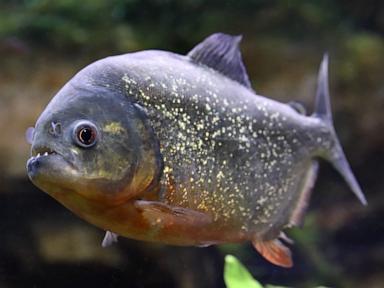
Most kids go fishing and pull out a standard bluegill or a tired largemouth bass. Eight-year-old Seamus Coffey had a slightly different Saturday morning at Ridley Park Lake in Delaware County, Pennsylvania. He reeled in a South American piranha.
It sounds like a ridiculous Hollywood script. But it actually happened.
When young Seamus felt the tug on his line, he figured he had hooked a decent-sized bass. Instead, he pulled up a razor-toothed tropical predator. Thanks to a steady diet of watching internet videos, he recognized the distinct jawline and teeth immediately. His dad, Michael, was skeptical until they cross-referenced photos online and contacted the authorities.
The Pennsylvania Fish and Boat Commission later confirmed the catch. The fish was a red-bellied piranha, completely out of its geographic element.
The Exotic Pet Dump Problem
Let's cut through the novelty of the story. This isn't just a quirky local news anecdote about an observant kid. It points directly to a tired, reckless trend: people dumping unwanted exotic pets into public waterways.
When people buy tropical fish, reptiles, or oversized amphibians as juveniles, they rarely plan for the long game. A tiny piranha looks cool in a living room tank. Two years later, it costs too much to feed, outgrows its enclosure, or simply becomes inconvenient.
Instead of surrendering the animal to a rescue or humane society, owners take the lazy route. They walk down to a local park lake, tip the bucket, and walk away. They assume nature will sort it out.
Can Piranhas Survive in Pennsylvania Waters?
Short answer: No. Long answer: Not for long, but they can cause damage while they are alive.
Piranhas are tropical fish native to the warm river basins of South America. Pennsylvania winters are brutal. Water temperatures in places like Ridley Park Lake plummet well below what these fish can tolerate.
State wildlife officials have repeatedly pointed out that these dumped pets would eventually die off once the weather turns cold. But that doesn't mean you should ignore them.
During the warmer summer months, a piranha can easily survive in local lakes. That creates two major issues:
- Public Safety Risks: Swimmers and waders don't expect to share a municipal lake with South American carnivores. While movie myths about instant flesh-stripping swarms are exaggerated, a defensive piranha can easily bite a finger or hand.
- Ecosystem Disruption: Introducing non-native species messes with local aquatic life. Even if a tropical fish cannot reproduce in cold climates, it competes with native species for food resources during peak season.
What the Law Actually Says
A lot of pet owners operate under the mistaken belief that if an animal is legal to buy, it's legal to release. That is completely false.
In Pennsylvania, releasing any exotic species—whether it's a red-bellied piranha, an alligator, or an unwanted turtle—into public waters or parks is strictly illegal. State agencies take this seriously. Getting caught dumping pets can result in heavy fines, criminal prosecution, and legal fees.
Wildlife officials handled the Ridley Park piranha by humanely dispatching it, noting it was the only responsible option to protect the public and the local ecosystem.
What to Do If You Catch Something Weird
If you're an avid angler, you've probably hooked strange things before. Old tires, sunken fishing rods, or snapping turtles are par for the course. But if you pull up a fish with teeth that look like a miniature chainsaw, take these steps:
- Don't panic, but don't get careless. Keep your hands away from the mouth. Handling a stressed, unfamiliar fish with heavy teeth is a fast track to the emergency room.
- Document the catch. Snap clear photos of the entire body, the head, and specifically the teeth.
- Contact local authorities. Reach out immediately to the Pennsylvania Fish and Boat Commission or local park rangers. Let them verify the species and handle disposal.
- Never throw it back alive. If it's an invasive or exotic species, returning it to the water makes you part of the problem.
Stop buying pets you cannot house for a lifetime. And if you ever find yourself holding a South American predator in a suburban Pennsylvania park, make the call.


