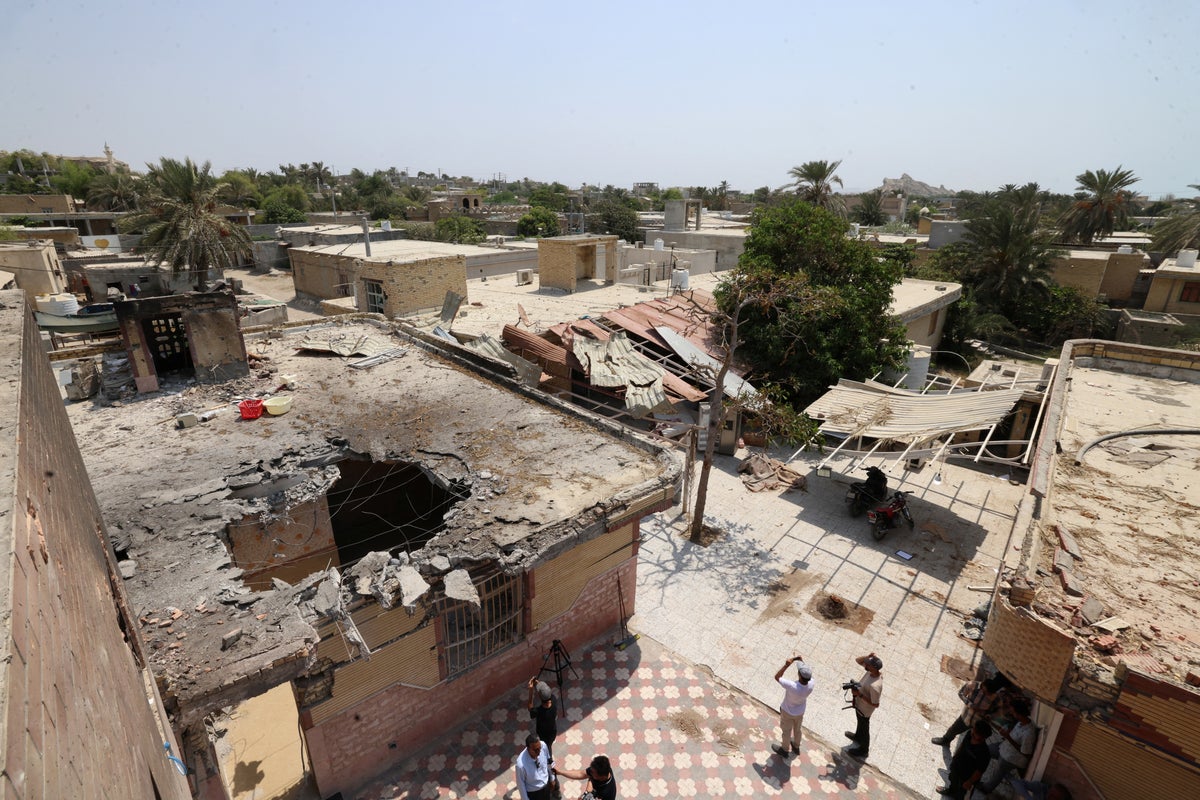
Another fragile understanding has collapsed under the weight of regional friction. Recent Israeli airstrikes targeting southern Lebanon have left at least a dozen people dead, a grim toll that includes young children and emergency medical personnel. When residential areas become the frontline, civilian casualties inevitably mount. This ongoing cycle exposes the deep fragility of agreements meant to keep borders quiet.
The Anatomy of a Broken Calm
For months, communities across southern Lebanon lived under a precarious truce. People returned to damaged homes, cleared rubble, and attempted to rebuild daily routines. That fragile normalcy shattered overnight. According to reports from the Lebanese Health Ministry and state agencies, intensive strikes hit towns like Kfar Roummane, transforming residential blocks into disaster zones.
The human toll is always the hardest part to process. Eleven to thirteen lives vanished in hours, among them two young children whose futures were cut short, alongside medics attempting to save the wounded. War doesn't discriminate between combatants and bystanders when air campaigns target infrastructure embedded within civilian populations.
Why Ceasefires Struggle to Hold
Diplomats push for peace accords, but boots on the ground face entirely different realities. The Israel Defense Forces maintain that strikes target Hezbollah military assets, including weapons storage facilities and active combatants moving hardware through southern towns. From a military standpoint, neutralizing threats before they materialize is standard doctrine.
Yet, the civilian cost tells a starkly different story. Lebanon's military leadership has openly condemned the escalation, noting that these attacks violate international law and actively sabotage efforts by state forces to establish long-term security. When homes and municipal institutions take direct hits, the diplomatic framework shatters right along with them.
The Ripple Effect on Local Populations
Fear spreads faster than news. Following the September strikes, highways leading out of southern villages filled up immediately. Families packed what they could into cars, fleeing northward toward safer zones. This mass displacement mirrors the earlier phases of the conflict, trapping ordinary citizens in an endless loop of evacuation and return.
President Joseph Aoun and regional officials have called heavily on international partners—particularly the United States—to intervene and rebalance the scales. Yet appeals to foreign powers rarely yield immediate safety for families living near the border. The reality on the ground remains harsh: diplomacy moves slowly, while airstrikes happen in seconds.
Understanding this conflict requires looking past the political statements and focusing on the human friction points. Until structural protections for non-combatants become ironclad, borders will remain volatile, and civilian populations will continue paying the highest price for strategic chess matches.
Israeli strikes on southern #Lebanon kill 11
This short video clip provides visual and auditory context regarding the reported casualties and the immediate aftermath of the strikes in southern Lebanon.
http://googleusercontent.com/youtube_content/1