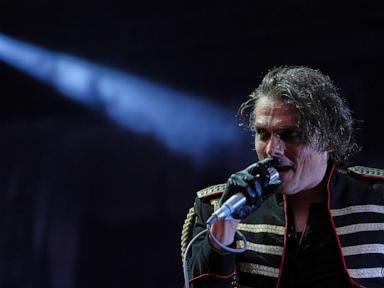
Twenty years ago, a marching band of alienated teenagers and theatrical rock diehards walked onto the Billboard 200 and stopped short. My Chemical Romance released The Black Parade on October 23, 2006, loaded with grief, grandiose orchestration, and Gerard Way's bleached hair. It debuted at number two. It got blocked by Hannah Montana.
That sting stayed with rock fans for two decades. Until now.
Following a massive 20th-anniversary reissue and a vinyl buying frenzy that rocketed the record from number 139 straight to number one, the band finally earned their very first Billboard 200 chart-topper. The climb took nearly twenty years, setting an all-time record for the longest wait in chart history.
Let's look at why this happened, what the original release missed, and why rock nostalgia hits differently today.
The Hannah Montana Blockade of 2006
Back in the autumn of 2006, the commercial landscape of American music looked nothing like it does today. The Black Parade shifted extraordinary numbers right out of the gate, but it ran straight into an unstoppable Disney juggernaut. The Hannah Montana soundtrack claimed the top spot, leaving MCR stranded in second place.
Critics at the time didn't quite know what to do with the record either. Some called it bloated rock opera. Others compared it unfavorably to Queen or Pink Floyd, missing the raw teenage urgency beating beneath the black eyeliner and theatrical staging. Fans knew better. They bought physical CDs in droves, wore out tour shirts, and turned anthems like "Welcome to the Black Parade" into generational touchstones. But the official chart history locked them out of the peak position.
The Mechanics of a Record-Breaking Reissue
Fast forward twenty years. The music industry runs almost entirely on streaming algorithms and passive background listening. Yet physical media buyers just rewrote the record books.
The 20th-anniversary deluxe reissue pushed The Black Parade to rack up 78,000 equivalent album units in a single week. That marks a staggering 653 percent jump. Even wilder, pure album sales surged by over 2,000 percent, with 68,000 fans snapping up physical copies and special vinyl pressings.
The album broke the previous record for the longest wait to reach number one, which was previously held by Toby Keith’s 35 Biggest Hits following the country star's passing in 2024. For MCR, this wasn't just a nostalgic cash grab. It was a calculated victory lap driven by a fanbase that grew up, earned disposable income, and decided to correct history.
What Everyone Gets Wrong About Emo Longevity
Mainstream commentators love to frame emo and pop-punk as a clumsy phase teenagers outgrow by college. That narrative is completely false.
The listeners who bought The Black Parade in 2006 didn't abandon the music. They integrated it into their adult identities. When bands from that era tour today, ticket sales shatter expectations because the connection is emotional, not trendy.
Think about how rare it is for a rock record from the mid-2000s to experience this kind of commercial resurgence. Pop stars dominate weekly charts with endless remix drops and streaming optimization hacks. MCR did this by leaning into physical collector culture, aggressive vinyl variants, and an anniversary tour that culminated in packed stadium dates.
What Comes Next
With the anniversary celebrations wrapping up and the chart milestone finally secured, the band isn't resting. Frontman Gerard Way recently confirmed to crowds that the group plans to head back into the studio to write and record entirely new music.
Twenty years ago, the music industry tried to relegate them to a subcultural niche behind teen pop acts. Today, they own the charts on their own terms. If you still have your old marching band jacket in the closet, dust it off. The parade isn't over yet.