Trillions vanish from stock boards when state-driven ambitions collide with cold financial reality. You watch the numbers slide on trading terminals, and you realize the high-stakes contest for technological dominance is exacting a brutal toll on Chinese markets. Billions evaporate, indexes plunge, and investors scramble for exits. Why is the world’s second-largest economy bleeding so heavily right now?
The STAR 50 Index on the Shanghai exchange has cratered forty percent since June, dragging broader benchmarks down by roughly twenty percent. This isn’t a routine market correction. Since May, an estimated 2.4 trillion dollars has vanished from Chinese equities. When artificial intelligence stocks command over forty percent of market value in mainland exchanges and Hong Kong, any turbulence hits with seismic force.
Beijing has thrown massive political and financial capital at the artificial intelligence sector, launching a sixty-billion-yuan state-backed fund designed to propel domestic developers forward. Yet, consumers aren't spending. Stagnant domestic demand leaves tech firms struggling to monetize products. People keep their wallets shut tighter than ever, choking off the cash flow that startups need to survive.
Western trade restrictions squeeze domestic players from the outside while sluggish consumer sentiment strangles them from within. United States regulators tighten the screws, banning advanced tech and restricting components destined for data centers. Chinese firms depend heavily on export markets, but when foreign doors slam shut, they find their home market too weak to absorb surplus output.
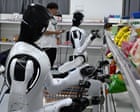
Consider the robotics sector. Beijing has pivoted hard toward embodied intelligence, framing humanoid robots and robotic dogs as the ultimate solution for an aging workforce and shrinking population. But everyday shoppers aren't buying mechanical assistants. High price tags and limited practical utility relegate these machines to entertainment spectacles rather than household essentials. Share prices for prominent robotics makers like Unitree have plummeted by half since public trading began.
Political constraints worsen the economic bleeding. Senior officials gather in Beijing for high-level meetings ahead of major political milestones, leaving little appetite for aggressive economic stimulus. Policymakers fear taking bold fiscal risks because political accountability rests squarely on their shoulders if an intervention fails. Without massive monetary stimulus or a sudden surge in consumer spending, market confidence remains fragile.
You see a stark contrast when looking westward. Major American firms command historic valuations and massive venture capital inflows, exemplified by blockbuster initial public offerings. China’s tech ecosystem lacks that kind of external liquidity right now, trapped between tightening state controls and aggressive foreign containment strategies.
Fixing this structural imbalance requires more than state-backed investment funds. Until everyday citizens feel confident enough to open their wallets, and until trade tensions find some resolution, the financial drain on domestic tech will persist. The race for technological supremacy demands immense resources, but the bills are coming due much faster than anticipated.