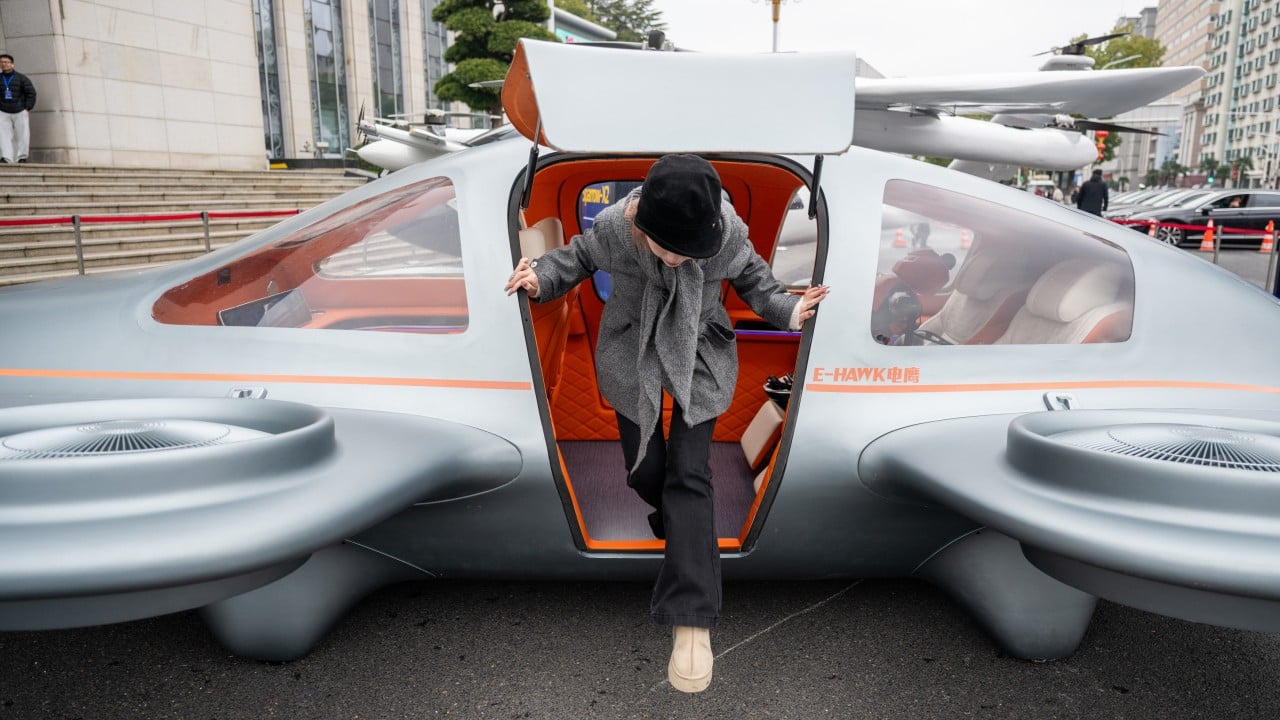
You’ve probably seen the slick promotional videos. Drones carrying packages over bustling urban canyons, sleek electric vertical takeoff and landing vehicles whisking commuters above traffic jams, and municipal governments handing out cash to spark a high-tech revolution. It looks like the future has finally arrived.
Except the money is drying up, and reality is settling in fast.
China's much-touted low-altitude economy—spanning everything from consumer drones to experimental air taxis operating below 1,000 meters—is running into heavy turbulence. Local governments that once rushed to throw massive subsidies at any startup with an aerial blueprint are now pulling back. When free money meets hard financial limits, the underlying flaws of a rushed industrial sector get exposed immediately.
The Subsidy Hangover
For the past few years, provincial and municipal authorities treated the low-altitude sector like a magic wand for regional economic growth. From tech hubs in Shenzhen to manufacturing centers in Zhejiang, local budgets were opened wide. Companies building components for drones or testing battery systems for flying cars enjoyed generous tax breaks, research grants, and direct financial backing.
That approach worked brilliantly for scaling electric vehicles and solar panels, but flying machines are a different beast entirely.
When subsidies start facing reality checks, weak business models crumble. Many local enterprises grew dependent on state handouts rather than actual market demand. When municipalities scale back their financial support due to local debt pressures and tightening budgets, these cash-burning operations find themselves stranded. You can't subsidize every drone delivery route or air taxi trial forever. At some point, paying customers have to foot the bill, and right now, the commercial demand simply isn't robust enough to sustain the inflated cost structure.
Infrastructure and Airspace Bottlenecks
Money alone can't fix physics or regulatory walls. If you want a thriving aerial transport network, you need physical infrastructure and clear rules. Right now, China has neither in a functional state.
Airspace management remains heavily restricted. Commercial drone operators and eVTOL developers constantly bump against rigid military controls and fragmented local jurisdictions. Getting permission to fly feels less like navigating an open digital highway and more like running a bureaucratic gauntlet.
Then there is the physical infrastructure gap. Cities lack the landing pads, charging hubs, and maintenance facilities required to support commercial fleets at scale. Urban canyons wreak havoc on communication signals, making reliable automated drone navigation difficult in precisely the dense environments where they are supposed to be most useful. Building an invisible highway in the sky requires more than a PowerPoint presentation and a municipal grant.
The Supply Chain Squeeze
Look past the hype and you'll find financial distress crawling through the supply chain. Several prominent manufacturers and component developers have reported widening losses and shrinking order volumes. High operational costs, expensive maintenance, and the specialized technical skills needed to run these advanced aircraft create steep entry barriers.
Investors are noticing. The initial speculative frenzy is giving way to caution. Instead of backing every wild concept that promises urban air mobility, venture capitalists and state funds are demanding proof of unit economics.
What Comes Next
The sector isn't dying, but it is undergoing a painful, necessary cleansing. The companies that survive won't be the ones that mastered the art of grabbing government subsidies. They will be the ones that solved boring problems like battery efficiency, reliable signal navigation, and cost-effective maintenance.
If you're watching this space, stop looking at the flashy concept art. Watch how these companies handle the cash crunch, how regulators loosen airspace controls, and whether real paying customers ever show up.
Foreign interest rises as China's low-altitude economy expo signals sector expansion
This video provides additional context regarding how external markets view China's ongoing industrial push within the low-altitude aviation sector.