The self-driving race just shifted into overdrive in Beijing. China’s latest round of regulatory approvals clears Volkswagen’s joint venture for Level 3 public road trials in Hefei, while Xpeng grabs permission for Level 4 robotaxi trials across Guangzhou.
If you think this is just another bureaucratic rubber stamp, you are missing the bigger picture. Beijing hit pause on new autonomous vehicle licenses earlier this year after safety incidents rattled authorities. Now, the floodgates are cracking open again. This isn't about friendly corporate handouts. It’s a high-stakes survival test for legacy auto giants and domestic EV pioneers alike.
The Real Stakes Behind the New Permits
Volkswagen and Xpeng aren't playing the same game, but they face the exact same pressure. Traditional carmakers are bleeding market share in China's hyper-aggressive electric vehicle arena. Software-defined vehicles are no longer a neat marketing gimmick; they are the baseline requirement to stay alive.
Volkswagen’s China unit bagged an L3 road-test license in Hefei. They are already collecting real-world data with an eye toward commercial readiness by 2027. They need this desperately. Their traditional hardware playbook failed to impress local tech-savvy buyers. Partnering with domestic innovators like Xpeng gives them a fighting chance.
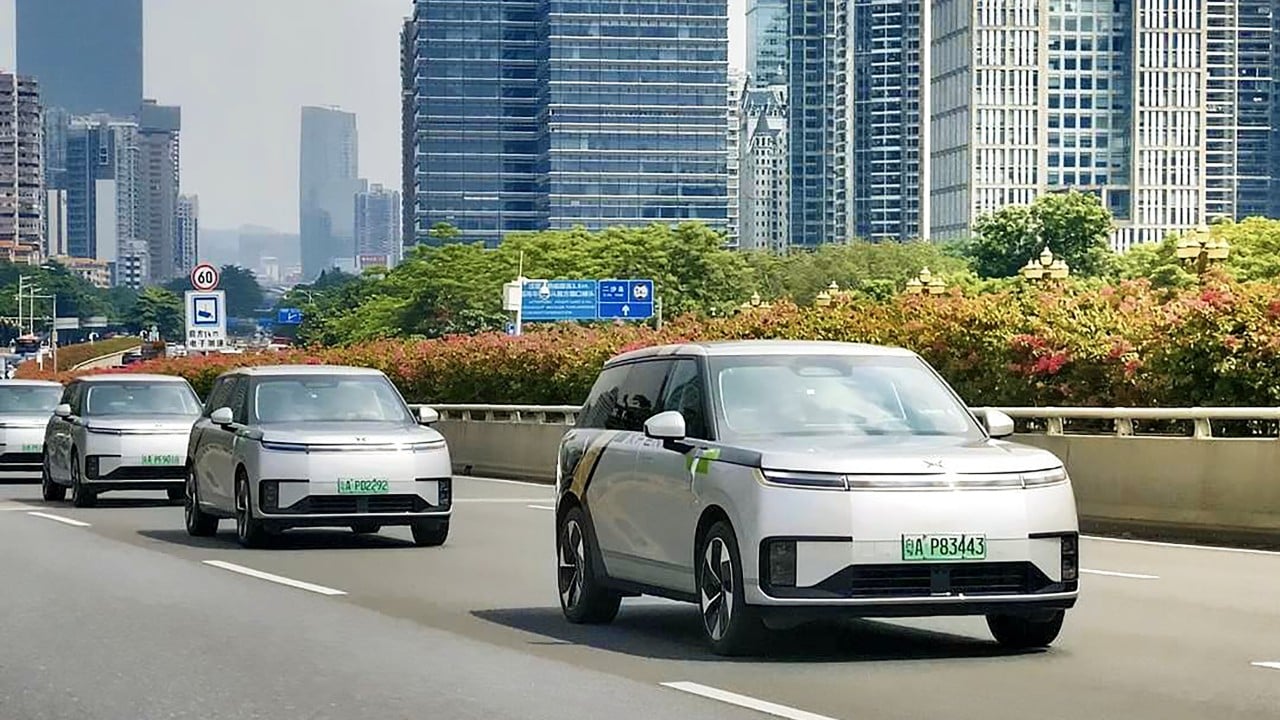
Meanwhile, Xpeng is moving in a completely different direction. Their robotaxi branch secured approval for Level 4 trials in Guangzhou. They are rolling out tests through invite codes on their GX SUV platform, powered by their own custom Turing AI chips packing a staggering 3,000 TOPS of compute power. Xpeng isn't just trying to ferry passengers around town. They want to position themselves as the go-to technology supplier for global ride-hailing platforms.
Why Western Automakers Are Scrambling
Let's be brutally honest about legacy automotive strategy. For years, European and American legacy brands assumed their brand heritage would insulate them in China. That illusion evaporated. Domestic Chinese EV brands iteration cycles move at lightspeed.
When Volkswagen invested heavily in Xpeng, skeptics raised eyebrows. It looked like a desperate move by a giant running out of ideas. But today's permit announcements validate that strategy. VW gets immediate access to homegrown software pipelines that actually understand chaotic Chinese street conditions.
If you try to drop a Western-built autonomous system into downtown Guangzhou or Shanghai without major modifications, it will freeze up within thirty seconds. Motorbikes swarm from blind spots. Pedestrians ignore signals. Delivery drivers treat traffic lanes as optional suggestions. Local algorithms are trained on this organized chaos every single day.
Inside Xpeng's Hardware Gamble
Xpeng is betting its entire future on custom silicon and vertical integration. Running robotaxis on self-designed chips rated at thousands of TOPS isn't cheap. Backers including Alibaba and Tencent pumped hundreds of millions into these initiatives for a reason.
The strategy relies on a two-pronged approach:
- Operating localized robotaxi fleets to iron out edge cases.
- Licensing out the underlying autonomous stack to international mobility players who can't build it themselves.
Chief executive He Xiaopeng has set a hard target to carry passengers without safety drivers by next year. That timeline sounds wildly aggressive to anyone watching from Silicon Valley or Detroit. Yet, China's regulatory environment encourages rapid real-world testing once safety benchmarks are cleared.
What This Means for the Global Market
The race isn't staying inside China's borders. Chinese EV makers are actively scouting international markets for local assembly hubs and software validation. When these brands figure out how to export robust, affordable autonomous tech to Europe and Southeast Asia, Western regulators are going to face a massive policy headache.
You cannot out-regulate a competitor who is iterating ten times faster in real traffic conditions. Tariffs can slow down physical car imports, but they won't stop software licensing deals.
Watch what Volkswagen does next in Hefei. Watch how fast Xpeng expands its Guangzhou invite lists into open public service. The era of pure experimentation is over. The commercialization scramble has begun.