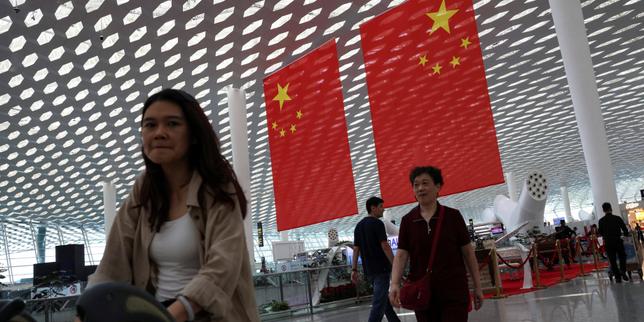
Borders are hardening in Beijing. As trade frictions and technological disputes with Western nations deepen, Chinese authorities are increasingly viewing outbound mobility not as a routine right, but as a strategic security risk. If you think exit controls only affect high-profile dissidents, you're missing the broader picture. Today, researchers, engineers, and private entrepreneurs find themselves caught in a tightening administrative web designed to keep intellectual property and critical talent inside national boundaries.
The core motivation here isn't just bureaucratic paranoia. It's a calculated response to a structural decoupling. When Washington and its allies tighten export controls on advanced semiconductors and artificial intelligence components, Beijing shifts its focus from hardware accumulation to human capital retention. You can embargo chips, the reasoning goes, but you can't easily replace the minds that design them. Consequently, keeping those minds at home becomes a top state priority.
The New Reality of Exit Bans
Exit bans aren't entirely new in Chinese jurisprudence, but their application has expanded far beyond traditional criminal law. Historically used against corrupt officials or corporate debtors, these measures are now deployed proactively. Engineers specializing in quantum computing, semiconductor fabrication, and biotechnology face intense scrutiny when applying for passports or planning overseas trips.
Local authorities frequently monitor travel patterns under the banner of national security. If an expert holds specialized technical knowledge deemed vital to industrial self-sufficiency, getting clearance to attend an international conference or take a sabbatical abroad turns into a bureaucratic obstacle course.
- Expanded Surveillance: Digital tracking of travel intents and communication with foreign entities.
- Targeted Screening: Heightened audits on professionals working in critical technological domains.
- Corporate Compliance: Companies are pressured to vet the international exposure of their senior R&D staff.
Protecting State Secrets in a Digital Age
The definition of a state secret has grown elastic. In a globalized economy, technical data flows continuously, but Beijing now views cross-border knowledge transfer through a zero-sum lens. When domestic tech firms race against Western sanctions, any leakage of proprietary research to foreign universities or competitors is treated as a direct threat.
This environment creates a chilling effect across the domestic innovation ecosystem. Researchers who once collaborated freely with European or American laboratories now think twice before co-authoring papers or accepting visiting professorships. The fear of running afoul of broad national security statutes makes self-censorship the safest career strategy.
Economic Nationalism and Talent Retention
Beijing's master plan relies on achieving technological independence. Billions are poured into domestic semiconductor foundries and green energy supply chains, but money alone doesn't build a resilient industrial base. You need skilled practitioners on the ground.
When top-tier talent looks toward Western markets for better compensation or intellectual freedom, it deals a direct blow to industrial policy goals. By restricting exits, authorities attempt to force skilled workers to invest their expertise locally. Yet, this heavy-handed approach carries a hidden cost. It risks alienating the very innovators the system depends on, driving some toward quiet disengagement or alternative ways to protect their future.
The friction between global scientific cooperation and national security is reshaping how borders function for the world's second-largest economy. As the geopolitical landscape grows more rigid, the freedom to pack a bag and leave is becoming a rare commodity for China's intellectual elite.