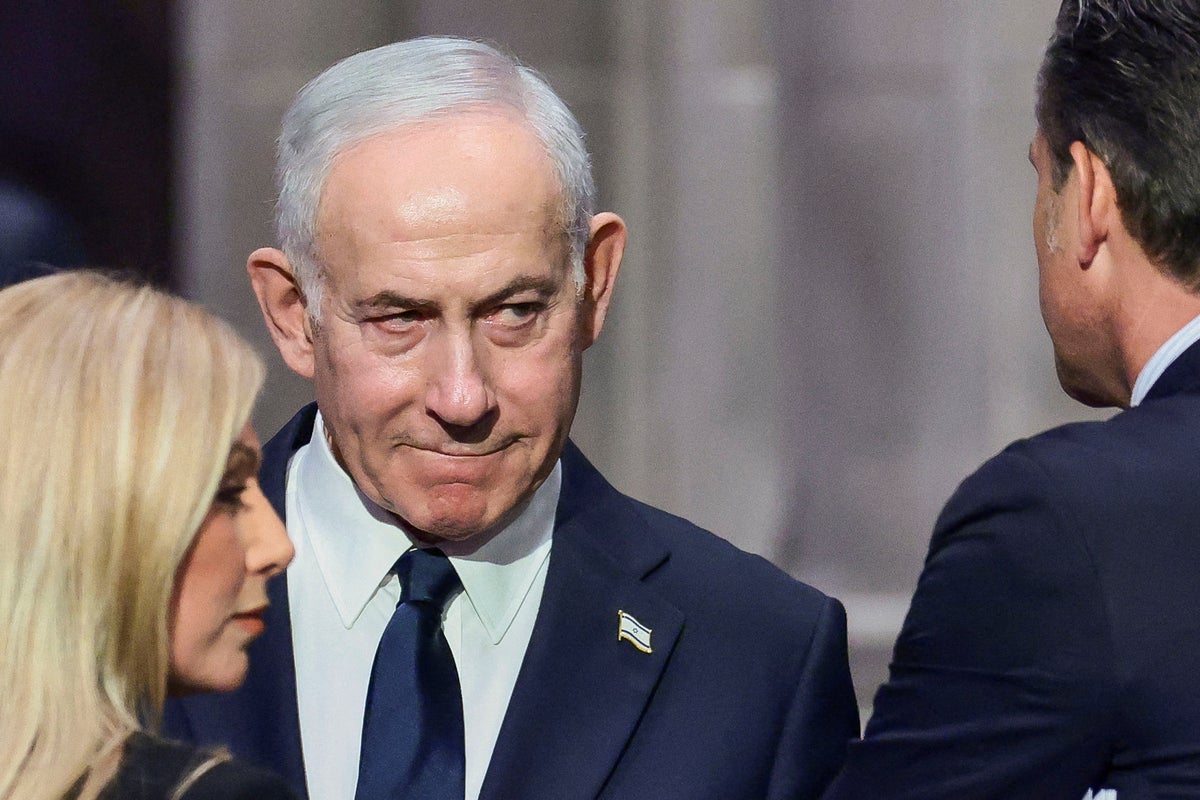
International law meets local grandstanding when a mayor threatens a foreign leader and special forces get dragged into the headlines. You've probably seen the dramatic reports about Israeli Prime Minister Benjamin Netanyahu claiming special security preparations are underway if he faces arrest overseas. The catalyst? New York City Mayor Zohran Mamdani floating the idea of detaining the Israeli leader over an International Criminal Court warrant. It sounds like a Hollywood thriller. It is actually just a noisy collision of ego, geopolitics, and domestic election strategies.
Let's look at what is actually happening beneath the noise.
The Reality of Local Authority Versus Federal Power
Can a city mayor actually tell the local police department to arrest the leader of a foreign country? Absolutely not. Legal experts have pointed out repeatedly that New York City's mayor holds zero jurisdiction over foreign policy or federal diplomatic immunities. When foreign officials travel to the United Nations general assembly, they are protected by absolute head-of-state immunity under federal and international frameworks.
Mamdani himself eventually walked back the immediate feasibility of a municipal arrest, pivoting to urge the federal government to enforce the ICC warrant instead. But the damage, or rather the political benefit, had already been secured.
"Netanyahu can and should be arrested." — Nerdeen Kiswani, activist group Within Our Lifetime
Critics from both sides quickly jumped into the fray. Local lawmakers and federal figures labeled the threats pure political theater designed to rally a specific base. President Donald Trump weighed in firmly, stating that Netanyahu would never face arrest on American soil. Meanwhile, Israeli officials fired back, accusing the NYC mayor of fueling local tensions and antisemitism.
Why Both Leaders Benefit From This Fight
You might wonder why two powerful politicians thousands of miles apart are spending political capital on an impossible arrest scenario. The answer is simple. They both want the exact same headline.
For Netanyahu, facing a difficult re-election campaign and domestic blowback over controversial legislation, an external threat from a prominent left-wing American mayor is a gift. It lets him pivot instantly from domestic scandals to portraying himself as the defiant defender of the Jewish state against foreign hostility. It unites his base and forces political opponents into a corner where defending him against an outside threat becomes the patriotic default.
For Mamdani, pushing against Israel's leadership plays directly to his core supporters and keeps him at the center of the national conversation. It is high-visibility political branding that requires zero actual execution.
What Happens When Special Forces Enter The Equation
When security details talk about special forces and contingency plans, they are dealing in standard operational protocol for high-risk international travel. Heads of state facing active arrest warrants or heightened security threats do not move around the globe without elite protection teams coordinating every second of their transit.
Yet, translating standard executive security measures into a narrative about commando extraction units makes for incredible clickbait. It feeds the illusion of an imminent physical showdown on the streets of Manhattan.
The reality remains mundane. Netanyahu will travel under heavy federal protection if he addresses the UN. Local police departments will manage traffic and protests. The ICC warrant will remain a polarizing piece of international jurisprudence rather than a practical handcuff.
Stop treating every political threat as a prelude to a physical war. Look at who benefits from the noise, ignore the theatrical posturing, and focus on the legal realities governing international diplomacy.


