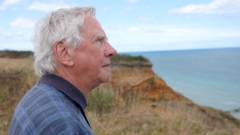
The sea takes what it wants. You can build concrete seawalls, drop heavy granite boulders into the surf, or pump sand back onto depleted beaches, but the ocean usually wins in the end. Along vulnerable stretches of coastline, residents face a brutal daily reality: the ground beneath their feet is literally washing away.
Coastal erosion is not some distant, abstract threat happening centuries from now. It is happening right outside front doors, swallowing backyards, and forcing local governments into impossible financial corners. Yet, people keep living there. They farm the land, run local shops, and wake up every morning to watch a tide that inches closer than it did last year.
The Psychology of Living on the Edge
How do you cope when your home has an expiration date? For many people living on eroding cliffs and shifting shores, constant panic is simply not sustainable. You adapt or you leave.
If you spend every waking hour staring at the high-water mark, tracking every meter of lost dune, life becomes unlivable. Psychologically, human beings possess a remarkable capacity for normalization. Once a threat becomes part of the daily routine, it stops triggering acute fight-or-flight responses. People joke about the cliff edge coming closer. They laugh about needing a zipline to get to the beach. Humor and routine become psychological shields against an encroaching ocean.
However, normalization has a dark side. It breeds complacency. When local authorities try to implement managed retreat strategies—paying people to move away before disaster strikes—they often face fierce resistance. People do not want to abandon ancestral homes or tight-knit communities just because a scientific model predicts their street will be underwater in twenty years.
The Economics of Losing Ground
Protecting every meter of coastline is financially impossible. National governments and local councils are running out of money. Traditional engineering fixes cost millions of pounds and often cause unintended damage further down the coast by disrupting natural sediment flow.
When groynes trap sand in one area, beaches down-current get starved and erode even faster. It creates a localized arms race where fixing one problem creates two new ones elsewhere.
Deciding which communities get funding for coastal defense and which ones get written off is an ethical nightmare. Officials are forced to put price tags on human settlements. If a village has a population of fifty people, is it economically justifiable to spend tens of millions on heavy marine engineering? Or is that money better spent helping those residents relocate inland? There are no easy answers, and every policy choice leaves someone feeling betrayed.
What Practical Adaptation Actually Looks Like
Realists on the coast are shifting away from rigid defense toward dynamic adaptation. Fighting the tide directly is losing favor because rising sea levels and more intense storm surges make brute-force engineering obsolete.
Instead, communities are experimenting with nature-based solutions. Restoring salt marshes, rebuilding natural sand dunes, and creating wetland buffers absorb wave energy far better than flat concrete walls. These methods do not stop erosion entirely, but they slow it down enough to buy decades of time.
Property owners are also changing how they build. Movable modular homes, elevated foundations, and zoning laws that prohibit permanent heavy structures near active cliffs are becoming standard sense. If a building can be disassembled or relocated when the cliff gets too close, the financial catastrophe is minimized.
Moving Forward Facing the Tide
Ignoring coastal erosion is foolish, but letting it consume your peace of mind is just as destructive. The relentless march of the sea forces a difficult compromise between holding your ground and knowing when to let go.
If you live near vulnerable shores, the strategy is simple: stay informed, build flexibly, and support community-led retreat plans before nature makes the choice for you. The water will keep rising, but how communities choose to meet it will define the future of our changing coastlines.


