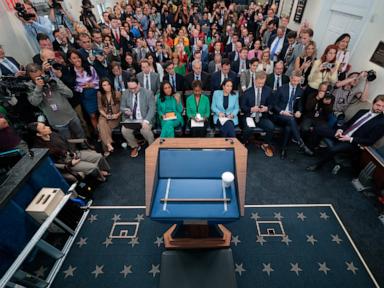
Executive power has hard limits, and a federal courtroom in Washington just proved it again. When President Donald Trump moved to strip press credentials from CNN, MS NOW, and Politico in mid-September, labeling them purveyors of fake news, he opened the door to a high-stakes constitutional showdown. Now, U.S. District Judge Timothy Kelly has slammed that door shut—at least for now—by granting a preliminary injunction that indefinitely blocks the White House media ban.
If you are wondering why this legal battle matters beyond cable news squabbles, look at the core issue. The dispute isn't just about hard passes or access to the West Wing press briefing room. It is about whether an administration can weaponize credential revocation to punish critical reporting and coerce favorable coverage. Judge Kelly, a Trump appointee himself, wrote in his opinion that the targeted outlets were overwhelmingly likely to succeed on their claims that the ban violated their due process and First Amendment rights.
The Legal Mechanics Behind the Injunction
When the White House summarily yanked hard passes from journalists representing CNN, MS NOW, and Politico, lawyers didn't wait around. They rushed to federal court arguing that due process requires notice and an opportunity to respond before the government strips constitutional protections from news organizations.
Judge Kelly agreed early on, issuing a temporary restraining order that forced the administration to restore press access. Tuesday's ruling takes that temporary fix and turns it into a preliminary injunction. This means the ban stays blocked while the broader lawsuit crawls through the judicial system.
The Justice Department defended the administration's actions fiercely. During court arguments, Justice Department lawyer Michael Velchik claimed the outlets engaged in improper conduct. Meanwhile, Theodore Boutrous, attorney for the media companies, cut straight to the point during the hearing. He stated that the president himself signaled an intent to chill speech and force better coverage through punitive access restrictions.
Judge Kelly noted in his written decision that no concrete evidence showed the passes were revoked on national security grounds from the start. Instead, the president's own public statements pointed toward a desire to alter reporting through administrative pressure.
Why the Stakes Are Higher Than Ever
This isn't an isolated political drama. It lands right in the middle of a tense political climate, with midterm elections approaching and public scrutiny on executive authority hitting a fever pitch.
Think about how press pools operate. When the administration originally targeted those three outlets, other major networks—including Fox News Media, ABC, CBS, and NBC—temporarily suspended pooled coverage in solidarity and protest. That kind of collective industry pushback highlights a shared anxiety across the entire journalistic ecosystem. If the White House can arbitrarily ban one critical outlet today, it can ban any other outlet tomorrow.
The administration has already vowed to appeal any adverse rulings, meaning this fight is destined for higher courts. For now, reporters from CNN, MS NOW, and Politico keep their badges and their spots on the grounds.
Check your credentials, keep your sources close, and watch how the appellate courts handle the limits of executive authority over the press corps. The outcome will define White House press relations for years to come.